Venezuela's highest peak, Pico Bolívar, has officially lost its once-majestic glacial ice cover
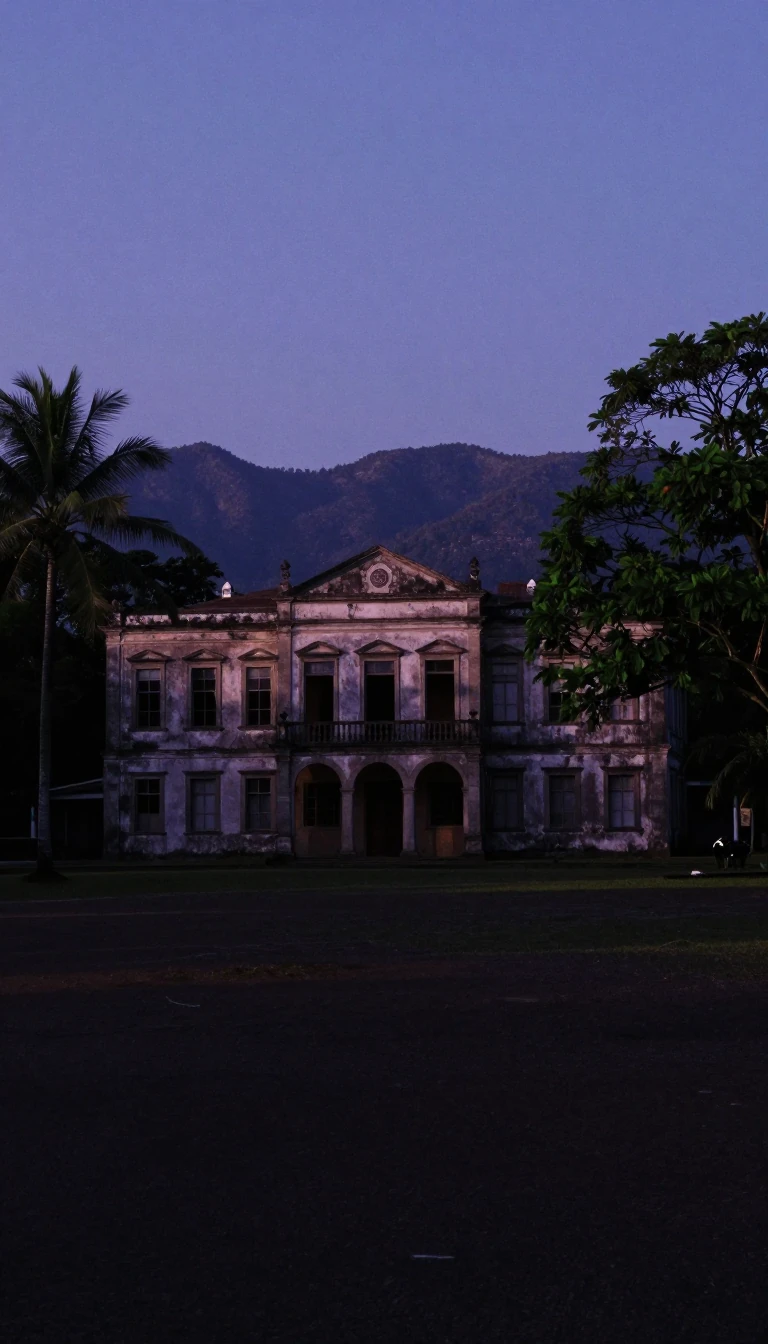
In short: Standing at 4,978 metres, Pico Bolívar is the crown of the Venezuelan Andes. Named after the independence hero Simón Bolívar, this rugged summit was once defined by its glaciers. Today, however, those ice fields have vanished entirely, marking a significant environmental shift for the nation's high-altitude landscape.
Pico Bolívar, located in Mérida State, was originally known as La Columna. It sits in a cluster of prominent peaks, flanked by El León at 4,743 metres and El Toro at 4,695 metres. The mountain received its current name following a suggestion by Tulio Febres Cordero in 1925, and it was officially renamed on December 30, 1934. Reaching the summit requires a challenging climb; while the famous Mérida cable car provides access to the nearby Pico Espejo, the final ascent to the peak must be completed on foot.
Determining the precise height of the mountain has been a long-standing scientific endeavor. Early estimates were often higher, such as a 1912 measurement of 5,002 metres and a 1928 calculation of 5,007 metres, which remained the official figure for decades. Modern geodetic technology eventually provided more accurate data. In the 1990s, researchers Heinz Saler and Carlos Abad utilized GPS observations to estimate the height at 4,980.8 metres. A more definitive study, published in 2005 by a team including José Napoleón Hernández and others, established the current accepted height of 4,978.4 metres, with a margin of error of plus or minus 0.4 metres.
The mountain's glacial history is equally transformative. During the Pleistocene epoch's Merida glaciation, ice covered vast areas above 3,000 metres. By 1910, glaciers still spanned approximately 10 square kilometres across the region. However, aerial photography from 1952 revealed a dramatic reduction to less than one square kilometre for the Bolívar-Espejo-Concha group. This decline accelerated over the following decades. By 2003, only a small patch of 7.48 hectares remained on Pico Bolívar. By 2012, these glaciers had disappeared entirely. With the final loss of glaciers on Pico Humboldt in May 2024, Venezuela became one of the first countries to lose all of its glaciers, signaling the end of a long climatic era.
Opens the Intellect+ feed with this card first. Swipe up for the next one.
Sources
- Summary by Intellect · source: Pico Bolívar
- Also: Wikidata — Pico Bolívar · CC0
To cite this card, link to https://intellectplus.co.uk/app/places-pico-bol-var.
How we source, check and correct cards: Editorial standards.
General information, not professional advice. Spotted an error? Flag the card or see corrections and complaints.
Intellect Plus is a visual educational discovery platform for exploring fascinating facts and ideas. Brain Food, Not Brain Rot. What is Intellect Plus?
Related
More in Mountain peaks and volcanos · More in Countries & Cities · Latest · A–Z · All topics
