Brazil's highest peak is a mist-shrouded ridge rising from the Amazonian lowlands
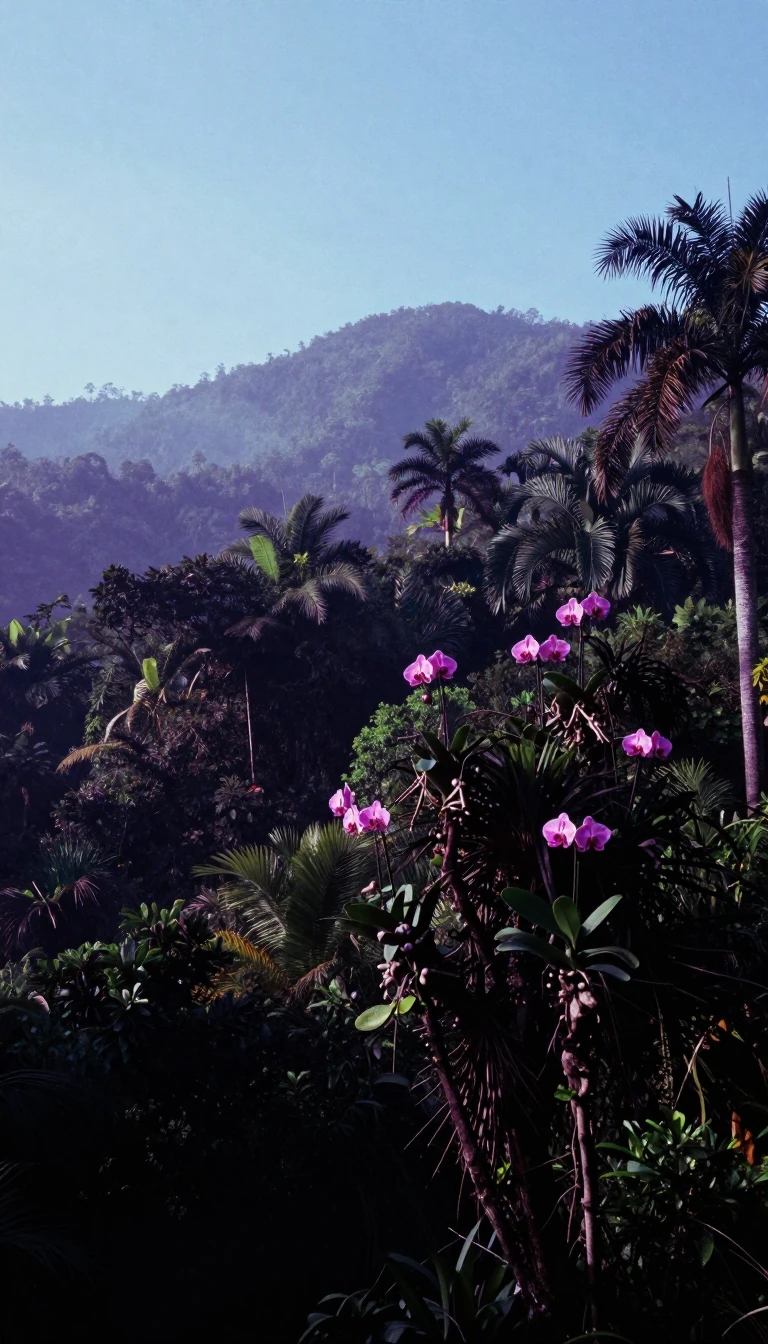
In short: Pico da Neblina, the highest point in Brazil, is a rugged, quartz-rich mountain that towers nearly three vertical kilometres above the Amazonian rainforest. Known to the Yanomami people as Yaripo, or Mountain of the Winds, this sacred summit remains a place of deep ecological isolation and complex territorial history.
Located in the Serra do Imeri near the Venezuelan border, Pico da Neblina reaches an official elevation of 2,995.30 metres. While it is the highest point in the Guiana Shield and the tallest peak in South America east of the Andes, its status as a mountain is defined by its dramatic vertical rise. From the lowlands near the Tucano River, which sit only about 50 metres above sea level, the massif ascends sharply, creating a massive environmental gradient that transitions from dense Amazonian rainforest to high-altitude montane forests and, finally, to exposed rock and saturated peat at the summit.
The mountain's geology is distinct from the famous flat-topped tepuis of the Guiana Highlands. Formed from the Neblina Formation, the peak is a hogback—a narrow, steep-sided ridge created by the tilting of ancient sedimentary layers around 1.33 billion years ago. Erosion has stripped away softer material, leaving behind the resilient, quartz-rich cliffs that form the current summit. This isolation has fostered a unique biological world; the upper massif is home to endemic species like the frogs Neblinaphryne mayeri and Caligophryne doylei, whose evolutionary lineage diverged from their nearest relatives over 45 million years ago.
The mountain holds deep significance for the Yanomami people, who view the landscape as sacred. The summit lies within the Yanomami Indigenous Territory and the Pico da Neblina National Park, established in 1979. Access to the peak has been historically contentious, marked by disputes over environmental damage and unauthorized entry. Following a closure in 2003, tourism resumed in 2022 under the Yanomami-led Yaripo ecotourism program. Today, the mountain remains a site of scientific interest and cultural protection, even as it faces modern threats from climate change, which endangers the specialized species clinging to its highest, mist-covered reaches.
Opens the Intellect+ feed with this card first. Swipe up for the next one.
Sources
- Summary by Intellect · source: Pico da Neblina
- Also: Wikidata — Pico da Neblina · CC0
To cite this card, link to https://intellectplus.co.uk/app/places-pico-da-neblina.
How we source, check and correct cards: Editorial standards.
General information, not professional advice. Spotted an error? Flag the card or see corrections and complaints.
Intellect Plus is a visual educational discovery platform for exploring fascinating facts and ideas. Brain Food, Not Brain Rot. What is Intellect Plus?
Related
More in Mountain peaks and volcanos · More in Countries & Cities · Latest · A–Z · All topics
