The Weimar presidency: a constitutional design for stability that invited autocracy
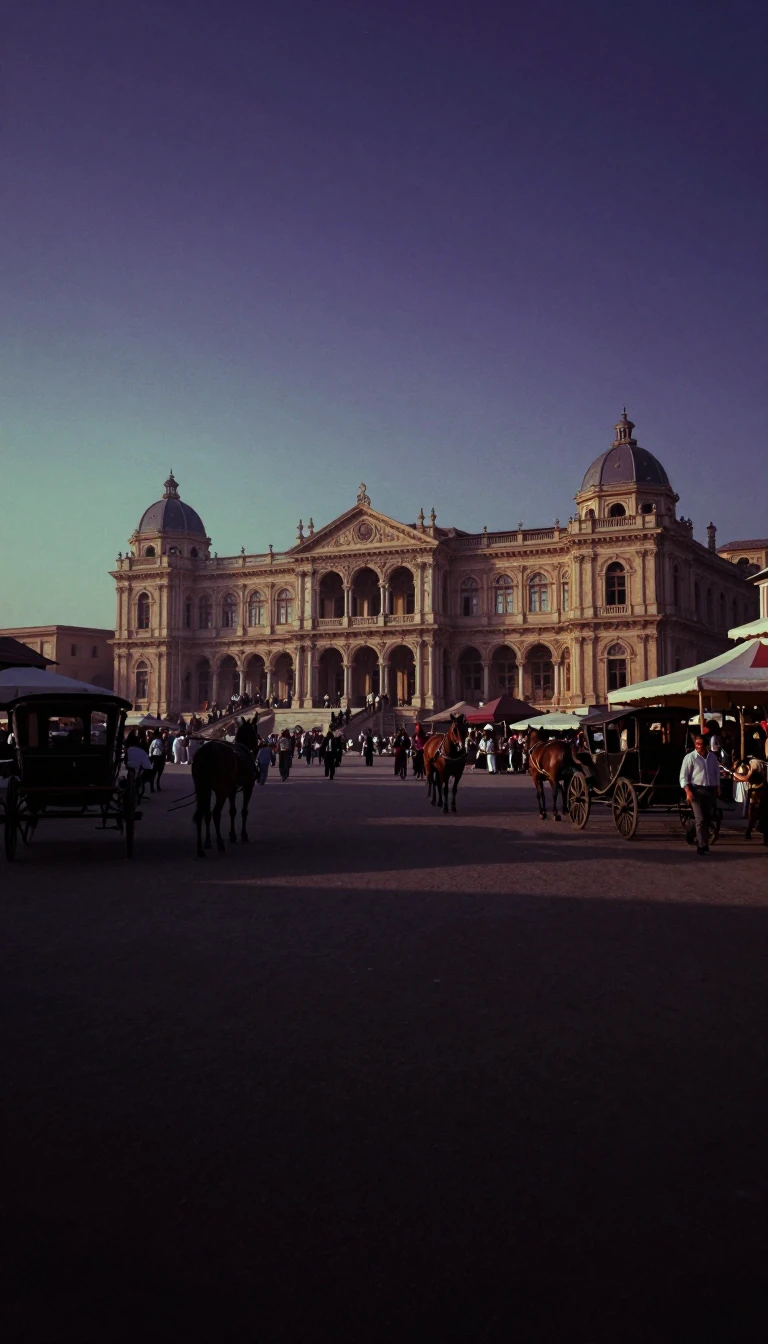
In short: To prevent 'parliamentary absolutism,' the Weimar Constitution created a president intended to be a moderate counterweight. Instead, political instability transformed this role into an 'Ersatzkaiser'—a replacement emperor capable of ruling by decree and bypassing the legislature entirely.
The office was designed by Hugo Preuss as a safeguard against a legislature that might become too powerful. Influenced by Max Weber and Robert Redslob, Preuss envisioned a president who stood above partisan politics to ensure stability. However, the semi-presidential system split power between the cabinet, parliament, and the presidency in a way that backfired during the Weimar Republic's era of severe factionalism.
While the constitution intended for extensive emergency powers under Article 48 to be used only in extraordinary circumstances, they became routine. President Friedrich Ebert invoked these powers on 136 occasions, often based on government agreements. By 1930, Paul von Hindenburg began using Article 48 more aggressively, issuing 109 decrees between 1930 and 1932. This led to the era of 'presidential cabinets,' where legislation was increasingly enacted by decree rather than parliamentary vote.
The system's fragility was compounded by a lack of constructive votes of no confidence; the Reichstag could collapse a government without having a successor ready. This allowed presidents like Hindenburg to appoint and dismiss chancellors at will, often leading to minority cabinets. The office eventually collapsed into total autocracy when Adolf Hitler assumed presidential powers in 1934 following Hindenburg's death, briefly reviving the post until May 1945.
Today, the Federal Republic of Germany maintains a Bundespräsident, but it is a chiefly ceremonial role. It was intentionally stripped of the sweeping executive authority that characterized the Weimar era to ensure that no single individual could again exercise such unchecked power over the state.
Opens the Intellect+ feed with this card first. Swipe up for the next one.
Sources
- Summary by Intellect · source: President of Germany (1919–1945)
To cite this card, link to https://intellectplus.co.uk/app/places-president-of-germany-1919-1945.
How we source, check and correct cards: Editorial standards.
General information, not professional advice. Spotted an error? Flag the card or see corrections and complaints.
Intellect Plus is a visual educational discovery platform for exploring fascinating facts and ideas. Brain Food, Not Brain Rot. What is Intellect Plus?
Related
More in Europe and Russia · More in Countries & Cities · Latest · A–Z · All topics
