Are protected areas truly saving the planet or just asserting state power?
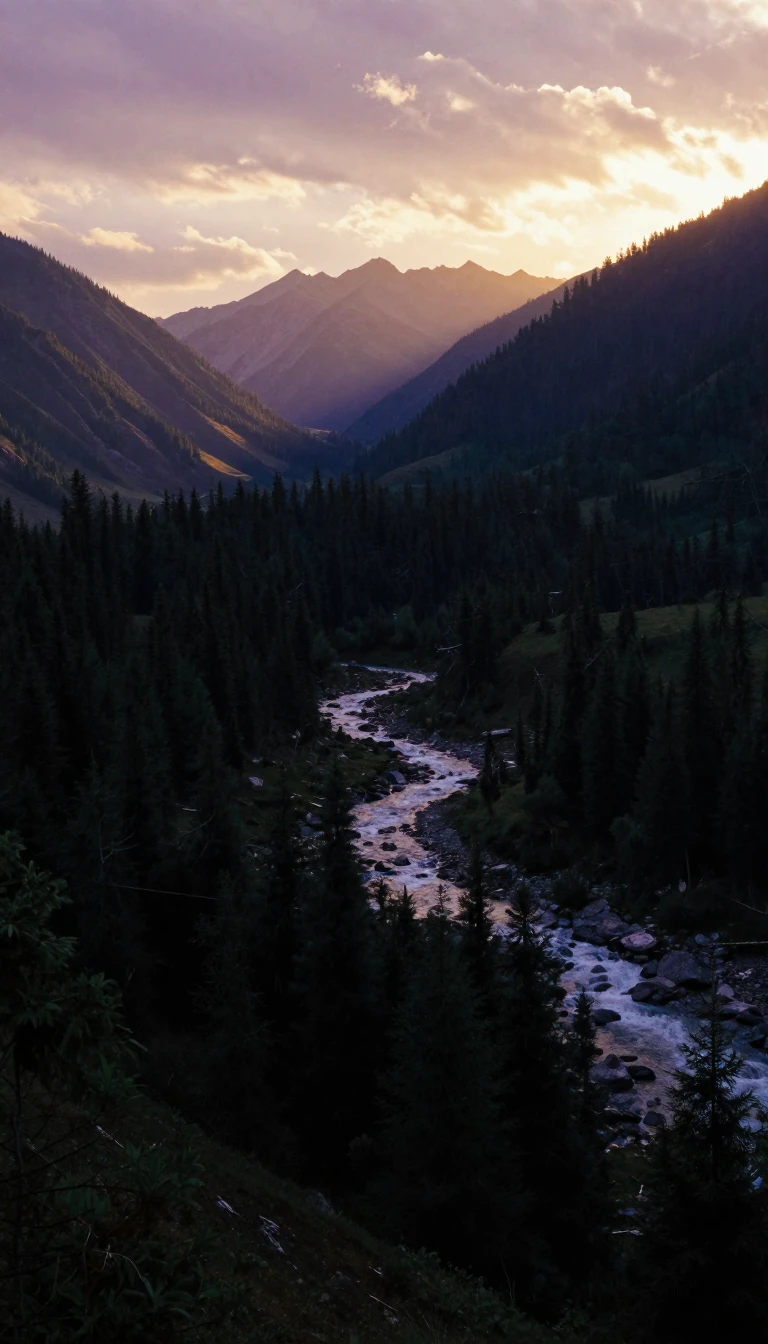
In short: Protected areas cover 17 percent of the world's land, yet they remain a point of intense debate. While they are vital for biodiversity and climate stability, their history is rooted in royal hunting grounds and colonial control. Today, the tension between conservation goals and indigenous rights defines their future effectiveness.
A protected area is a clearly defined geographical space, managed through legal or other effective means to achieve long-term nature conservation. While modern conservation focuses on biodiversity, the concept is ancient. Over 2,000 years ago, royal decrees in India protected specific sites, and for centuries, Pacific and African communities have maintained sacred groves and tapu areas. However, the modern movement emerged in the late 19th century as industrial states used new communication technologies to assert control over peripheral territories, often displacing local populations in a process critics call fortress conservation.
The effectiveness of these zones is measurable. Studies show that vertebrate populations in protected areas decline five times more slowly than in unprotected landscapes. Beyond biodiversity, these sites provide essential ecosystem services, such as carbon sequestration and water filtration. Currently, 15.2 percent of global terrestrial carbon stock is held within protected areas, making them a critical tool in the struggle against global warming. Despite this, only 4.12 percent of global ocean areas are protected, a figure that international agreements like the 30 by 30 initiative aim to raise to 30 percent by 2030.
Governance remains the most critical factor in success. The IUCN categorizes these areas based on management objectives, ranging from strict nature reserves to landscapes that allow sustainable resource use. Increasingly, institutions are recognizing Indigenous and Community Conserved Areas (ICCAs), where local communities manage ecosystems through customary laws. This shift acknowledges that the most effective conservation often involves those who have lived on and protected the land for generations, moving away from the violent enforcement models of the past toward more collaborative, rights-based frameworks.
Opens the Intellect+ feed with this card first. Swipe up for the next one.
Sources
- Summary by Intellect · source: Protected area
- Also: Wikidata — protected area · CC0
- Also: Wikidata — Protected Areas (Nature Reserves) · CC0
To cite this card, link to https://intellectplus.co.uk/app/places-protected-area.
How we source, check and correct cards: Editorial standards.
General information, not professional advice. Spotted an error? Flag the card or see corrections and complaints.
Intellect Plus is a visual educational discovery platform for exploring fascinating facts and ideas. Brain Food, Not Brain Rot. What is Intellect Plus?
Related
More in Parks, preserves, and World Heritage Sites · More in Countries & Cities · Latest · A–Z · All topics
