The dual nature of ragweed: a botanical paradox for wildlife and humans
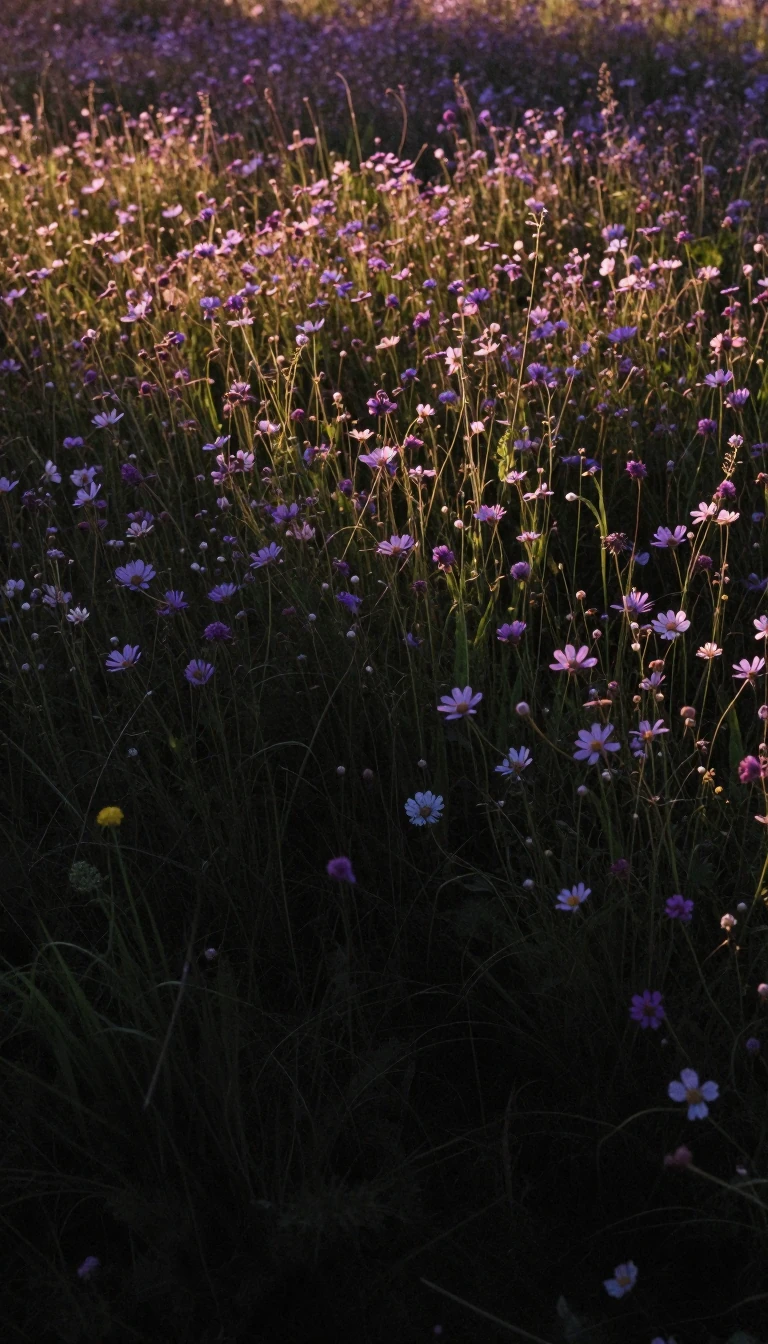
In short: Known as the genus Ambrosia, ragweed presents a striking contradiction. While its pollen is a primary cause of hay fever in North America, the plant serves as a vital food source for specialized insects and a beautiful addition to wildflower meadows.
The genus Ambrosia, from the Greek for "food or drink of immortality," contains approximately 40 species of weedy plants within the aster family. In North America, species like Ambrosia artemisiifolia are highly abundant. These plants are notorious for their pollen, which is shed in massive quantities during late summer. A single plant may produce roughly one billion pollen grains per season, which are transported by the wind, potentially causing up to half of all pollen-related allergic rhinitis cases in North America. These plants are distributed across tropical and subtropical regions of the Americas. Some species have successfully naturalised in the Old World. This spread is expected to increase due to ongoing climate change. Many of these plants thrive in disturbed habitats or desert environments.
However, the botanical impact of ragweed depends heavily on the specific species and the environment. For example, common ragwort (Jacobaea vulgaris), often confused with ragweed, is a UK native wildflower that supports over 200 species of invertebrates. It is the primary food plant for the caterpillars of the cinnabar moth. While ragwort is toxic to horses and livestock—leading to its inclusion in the UK's Weeds Act 1959—it is considered a beneficial addition to gardens and meadows where no livestock are present.
The distinction between these plants is crucial for land management. While ragweed is an invasive threat in many regions, ragwort is managed through specific codes of practice to protect agricultural interests. For gardeners, the presence of ragwort can boost biodiversity, provided it does not border grazing land where its toxicity could cause fatal liver damage to animals.
Opens the Intellect+ feed with this card first. Swipe up for the next one.
Sources
- Summary by Intellect · source: Ragwort | RHS Advice
- Also: Ragweed | Description, Plant, Pollen, Allergies, Species, & Facts | Britannica
- Also: Ragweed
To cite this card, link to https://intellectplus.co.uk/app/places-ragweed.
How we source, check and correct cards: Editorial standards.
General information, not professional advice. Spotted an error? Flag the card or see corrections and complaints.
Intellect Plus is a visual educational discovery platform for exploring fascinating facts and ideas. Brain Food, Not Brain Rot. What is Intellect Plus?
Related
More in Parks, preserves, and World Heritage Sites · More in Countries & Cities · Latest · A–Z · All topics
