A desert trade hub in Saudi Arabia reveals a surprising Hellenistic past
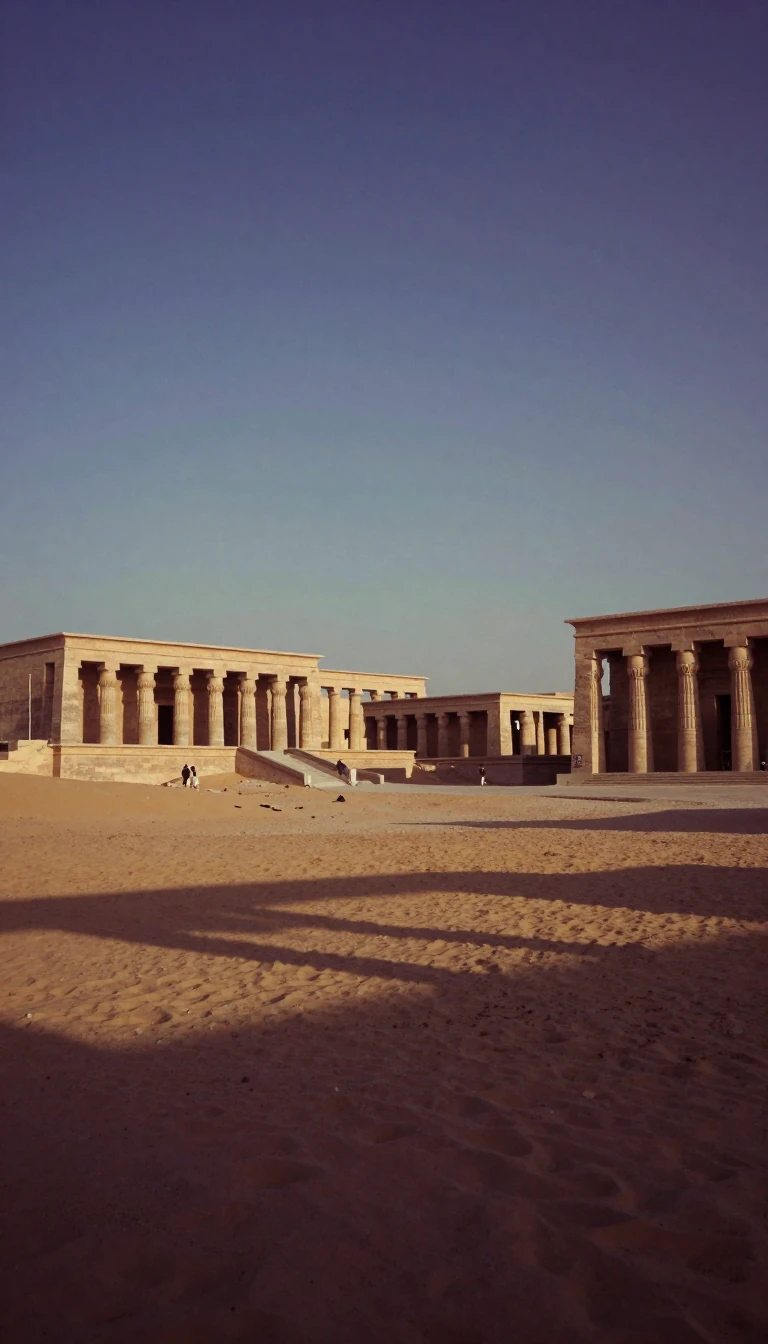
In short: Qaryat al-Faw, once the capital of the Kingdom of Kinda, was a thriving trade center on the edge of the Empty Quarter. Recently designated a UNESCO World Heritage Site, this ancient city reveals a sophisticated blend of Arabian culture and Mediterranean artistic influence, hidden deep within the central Arabian desert.
Emerging in the fourth century BC, Qaryat al-Faw flourished as a vital trade hub between the third century BC and the third century AD. Known to its inhabitants as Dhat al-Jnan, or the City of Gardens, the site served as the capital for the Kingdom of Kinda before the tribe relocated to Hadhramaut around 300 AD. Its strategic location on the northwestern border of the Empty Quarter allowed it to control trade routes connecting the southern and northeastern Arabian Peninsula, supported by an infrastructure of over seventeen water wells.
Archaeological excavations conducted by King Saud University between 1970 and 2003 uncovered a complex urban layout featuring residential quarters, markets, and sacred spaces. The city was not fortified in the traditional sense but was surrounded by extensive walls. Its architecture included sophisticated water management systems, such as canals and cisterns, and a central area housing a palace and the Temple of Wadd. The site also contains distinct burial zones, with separate tombs for nobility and kings, including a mausoleum topped with a tower.
Perhaps most striking is the evidence of selective Hellenization. The city’s Temple of Shams featured a mrzḥ, a ritual banqueting space decorated with frescoes that mirror Mediterranean visual repertoires, such as vine scrolls and erotes. Stylistic analysis suggests these paintings, likely dating to the first century CE, share deep affinities with Egyptian Fayum mummy portraits. This integration of Hellenistic forms, mediated through Egypt, demonstrates that even deep in central Arabia, the city was a participant in the broader late antique cultural world, blending local traditions with distant artistic techniques.
Today, the site is recognized for its exceptional global value, having been inscribed on the UNESCO World Heritage List in July 2024. While the market area shows significant erosion, the remaining structures, including grain storage and baking ovens, provide a window into a pre-Islamic society that was far more connected to the wider world than its remote desert location might suggest.
Opens the Intellect+ feed with this card first. Swipe up for the next one.
Sources
- Summary by Intellect · source: Qaryat al-Faw
- Also: Qaryat al-Faw
To cite this card, link to https://intellectplus.co.uk/app/places-qaryat-al-faw.
How we source, check and correct cards: Editorial standards.
General information, not professional advice. Spotted an error? Flag the card or see corrections and complaints.
Intellect Plus is a visual educational discovery platform for exploring fascinating facts and ideas. Brain Food, Not Brain Rot. What is Intellect Plus?
Related
More in World Heritage Sites · More in Countries & Cities · Latest · A–Z · All topics
