Gandhi's 1942 call for British withdrawal sparked the most serious rebellion since 1857.
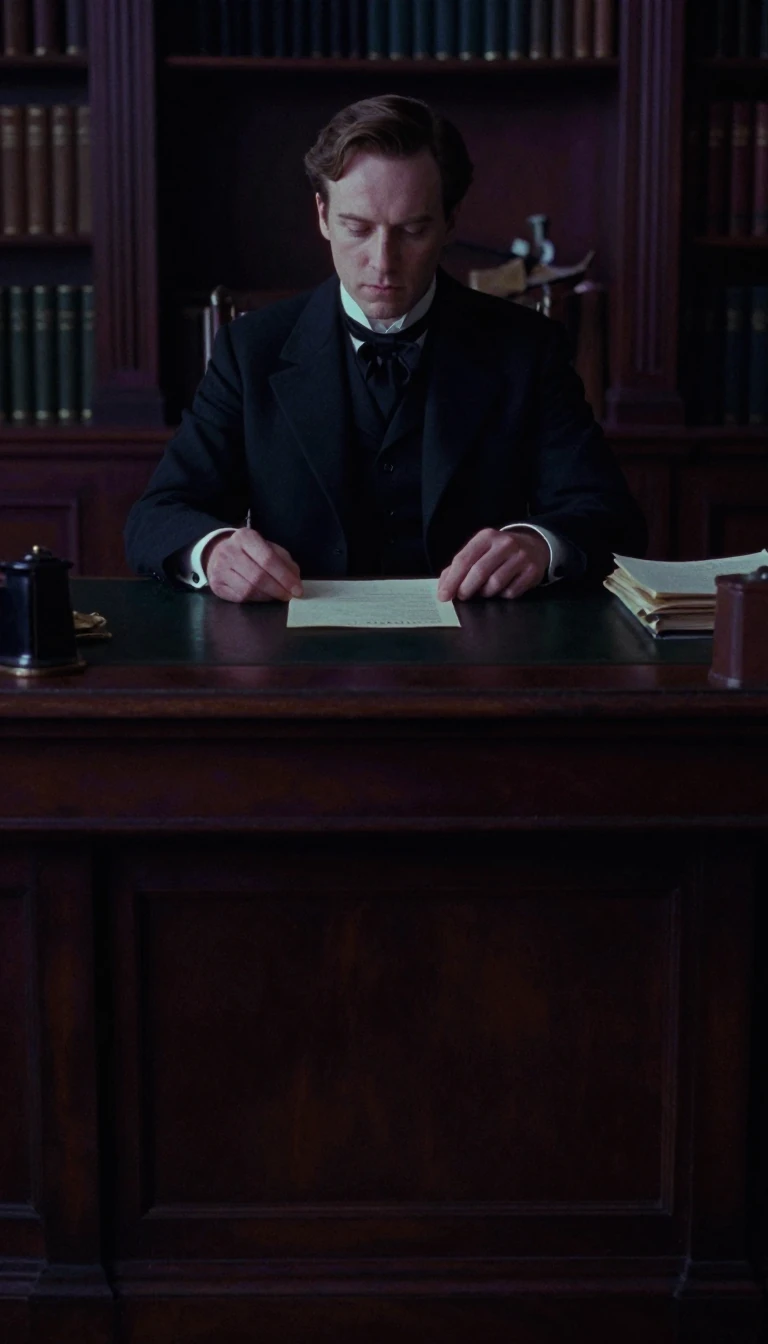
In short: Launched at the height of World War II, the Quit India Movement demanded immediate independence from British rule. It triggered a massive, non-violent campaign that faced immediate suppression, leading to the mass arrest of nationalist leaders and a complex struggle that reshaped the future of the Indian subcontinent forever.
On 8 August 1942, at the Gowalia Tank Maidan in Bombay, Mahatma Gandhi issued a historic call for the British to leave India. This declaration followed the failure of the Cripps Mission, which had offered only limited dominion status after the war. Gandhi famously demanded 'Do or Die,' signaling a shift toward a mass struggle for complete independence. Viceroy Linlithgow, recognizing the gravity of the situation, privately described the uprising as the most significant rebellion against British authority since the 1857 uprising.
The British response was swift and severe. Within hours of the speech, nearly the entire leadership of the Indian National Congress was detained without trial. These figures remained in custody until 1945. The colonial government maintained control by relying on the support of the Indian Imperial Police, the British Indian Army, the Indian Civil Service, and various political factions, including the Muslim League and the Hindu Mahasabha, which officially boycotted the movement. Despite this, the campaign saw widespread strikes, boycotts, and acts of civil disobedience across the country.
The movement was not without internal friction. Leaders like Jawaharlal Nehru and Maulana Azad expressed initial apprehension, while others, such as Chakravarti Rajgopalachari, resigned from the Congress over the decision. Furthermore, the Communist Party of India and various princely states actively opposed the campaign, often aligning with the British war effort. By 1945, the British government concluded that India had become ungovernable in the long term, shifting their focus toward a peaceful and orderly exit from the region.
The legacy of the movement remains a cornerstone of Indian history. It forced the British to confront the reality that their imperial hold was crumbling under the weight of nationalist sentiment and wartime pressures. In 1992, the Reserve Bank of India commemorated the golden jubilee of this pivotal struggle by issuing a one-rupee coin, honoring the activists who fought for self-determination during one of the most volatile periods of the twentieth century.
Opens the Intellect+ feed with this card first. Swipe up for the next one.
Sources
- Summary by Intellect · source: Quit India Movement
- Also: Wikidata — Quit India Movement · CC0
- Also: Wikidata — Quit India Movement in Tenali · CC0
To cite this card, link to https://intellectplus.co.uk/app/places-quit-india-movement.
How we source, check and correct cards: Editorial standards.
General information, not professional advice. Spotted an error? Flag the card or see corrections and complaints.
Intellect Plus is a visual educational discovery platform for exploring fascinating facts and ideas. Brain Food, Not Brain Rot. What is Intellect Plus?
Related
More in Cities · More in Countries & Cities · Latest · A–Z · All topics
