The Red Desert is a vast, industrialised high-altitude landscape hiding ancient, water-sculpted secrets.
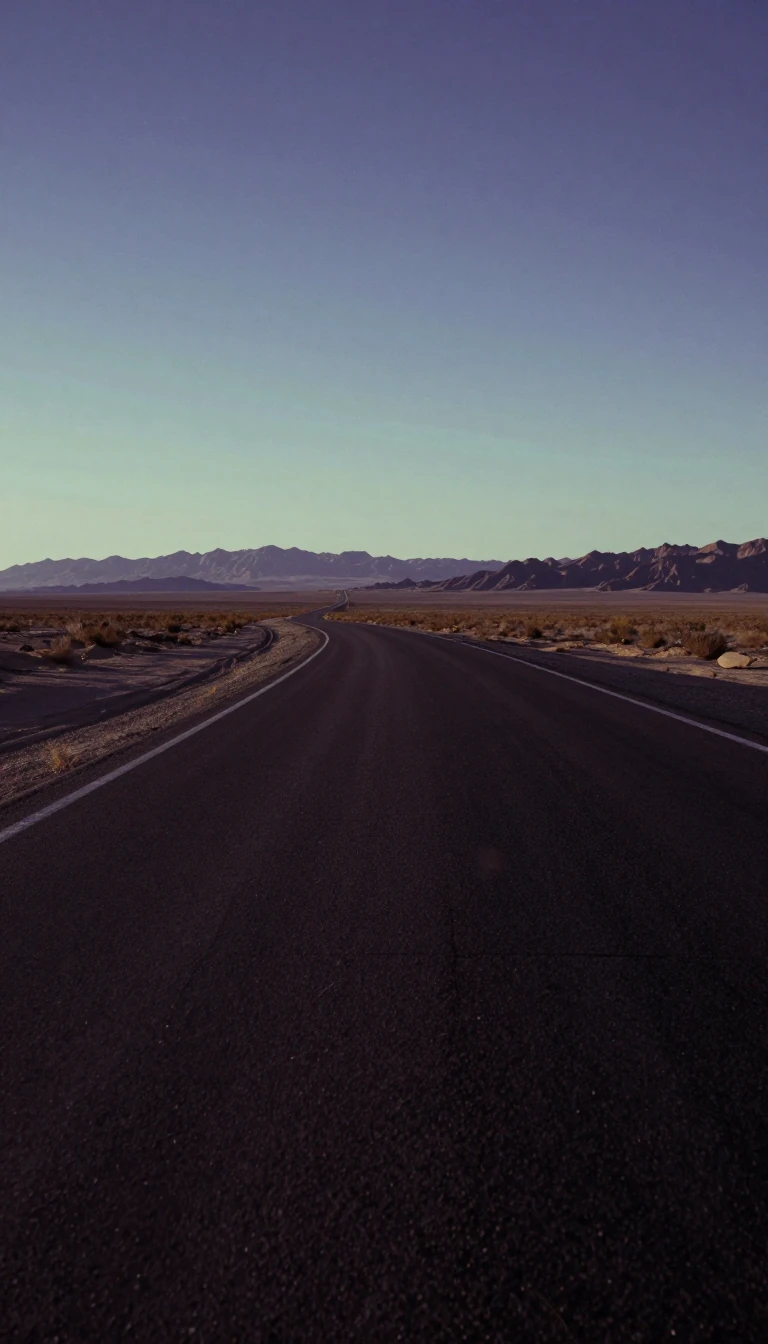
In short: Spanning over 9,000 square miles in Wyoming, the Red Desert is far from a barren wasteland. It is a complex, living ecosystem that serves as a vital migratory corridor for pronghorn and elk, while simultaneously functioning as a massive, active energy hub for the United States.
The Red Desert is a high-altitude sagebrush steppe defined by its unique geography, most notably the Great Divide Basin. This endorheic drainage basin is a geological anomaly where no surface water flows out, a result of the Continental Divide splitting to the northwest and southeast. The landscape is a product of deep time; millions of years ago, the region was dominated by Lake Gosiute, which expanded and evaporated repeatedly. This ancient lake left behind a legacy of organic matter and saline deposits, which have transformed into the coal, methane, and oil-shale reserves that drive the region's modern energy economy.
Despite its reputation for aridity, water remains the primary architect of the desert. Intermittent streams and snowmelt-fed ponds support a surprising diversity of life, including over 350 wildlife species and 1,000 plant varieties. The Killpecker Sand Dunes, one of the largest active dune fields in North America, act as a natural reservoir, trapping moisture that sustains vegetation and wildlife. This delicate balance is currently challenged by human activity. An estimated 84% of the desert has been industrialized by mining, drilling, and an extensive network of roads that fragment the habitat for species like the pronghorn and the rare desert elk.
Human history in the Red Desert stretches back 12,000 years, evidenced by petroglyphs that some researchers believe may be the oldest on the continent. In the 19th century, the area became a critical crossroads for westward expansion, traversed by the Oregon, California, and Mormon Trails. The arrival of the First transcontinental railroad in 1869 further altered the landscape, requiring deep artesian wells to sustain steam locomotives. Today, this legacy of transit continues with Interstate 80, which carries approximately 11,000 vehicles daily, further bisecting the desert and complicating the migration patterns of its iconic wildlife herds.
Opens the Intellect+ feed with this card first. Swipe up for the next one.
Sources
- Summary by Intellect · source: Red Desert (Wyoming)
- Also: Wikidata — Red Desert · CC0
To cite this card, link to https://intellectplus.co.uk/app/places-red-desert-wyoming.
How we source, check and correct cards: Editorial standards.
General information, not professional advice. Spotted an error? Flag the card or see corrections and complaints.
Intellect Plus is a visual educational discovery platform for exploring fascinating facts and ideas. Brain Food, Not Brain Rot. What is Intellect Plus?
Related
More in Bodies of water · More in Countries & Cities · Latest · A–Z · All topics
