Nature is reclaiming the world's most contaminated radioactive forest
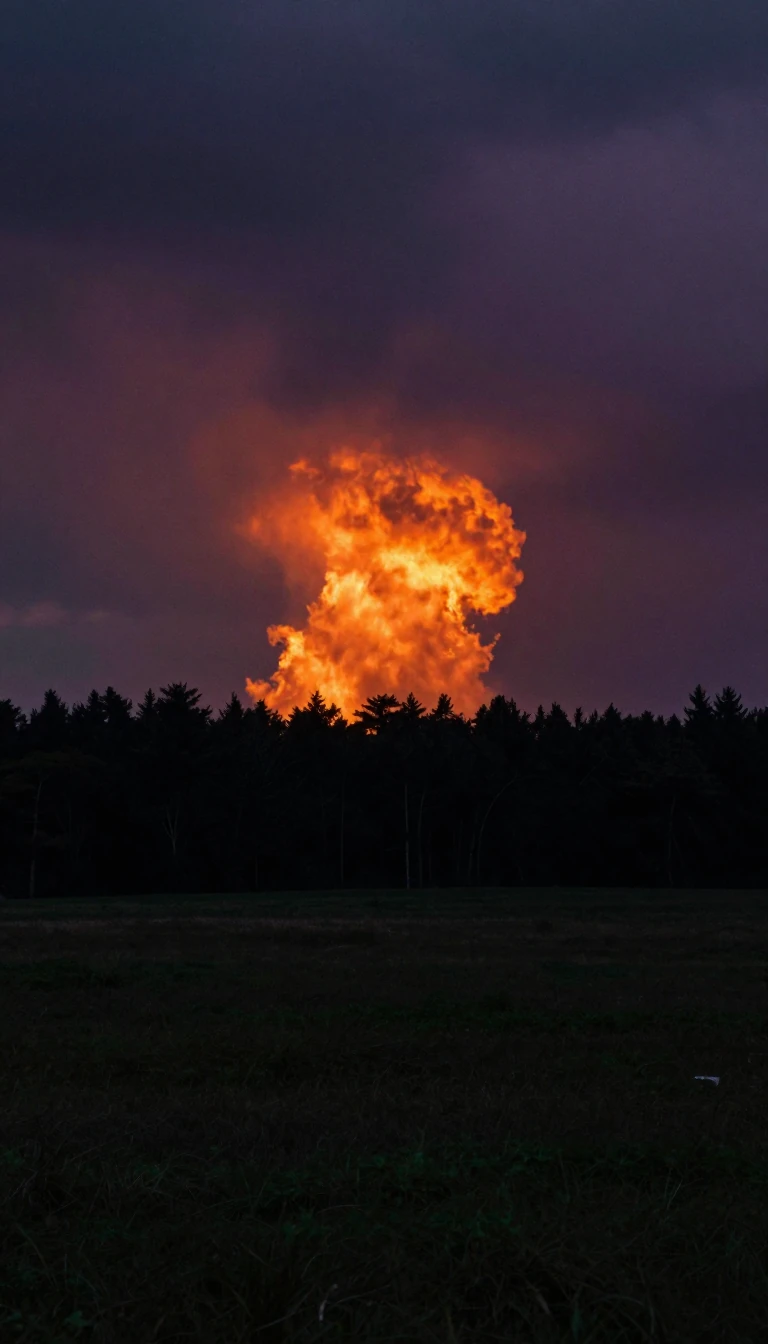
In short: After the 1986 Chernobyl disaster, a vast coniferous forest died instantly from radiation, its needles turning a ghostly orange. Today, this site—the Red Forest—serves as a haunting laboratory for how life persists in extreme environments where human activity has vanished.
The Red Forest covers an area of approximately 4 to 10 square kilometers within the Chernobyl Exclusion Zone. Following the accident on April 26, 1986, high levels of ionizing radiation killed the original pine trees, giving them their distinctive ginger-brown hue. While many of these original trees were eventually bulldozed and buried in trenches by cleanup crews—leaving only young saplings today—the area remains one of the most anthropogenically contaminated radioactive terrestrial ecosystems on Earth.
Despite the extreme conditions, biodiversity has seen a surprising shift. With humans evacuated, various species have moved in, including wolves, lynx, bison, and brown bears. Some populations have thrived; for instance, wild boar numbers reportedly multiplied eightfold between 1986 and 1988. However, the ecosystem faces unique pressures. Researchers from the RED FIRE project have noted that while deciduous trees are less sensitive to radiation than conifers, vegetation recovery in burnt areas is currently dictated more by soil characteristics than by radiation levels.
The site continues to be a focal point for ecological study. A severe fire in July 2016 burnt roughly 80% of the forest, prompting intensive research into soil biological activity and wildlife health. Studies using bait lamina sticks have shown that these fires significantly reduced soil organism feeding activity. With estimated dose rates to earthworms ranging from 15 to over 600 µGy/h, the Red Forest remains a critical site for understanding the long-term mechanics of life in a post-nuclear landscape.
Opens the Intellect+ feed with this card first. Swipe up for the next one.
Sources
- Summary by Intellect · source: TREE Red Fire: Radioactive environment damaged by fire | UK Centre for Ecology & Hydrology
- Also: Red Forest
To cite this card, link to https://intellectplus.co.uk/app/places-red-forest.
How we source, check and correct cards: Editorial standards.
General information, not professional advice. Spotted an error? Flag the card or see corrections and complaints.
Intellect Plus is a visual educational discovery platform for exploring fascinating facts and ideas. Brain Food, Not Brain Rot. What is Intellect Plus?
Related
More in Ancient cities & ruins · More in Countries & Cities · Latest · A–Z · All topics
