Mumbai's Red Line metro is a massive engineering feat connecting the city to its airport.
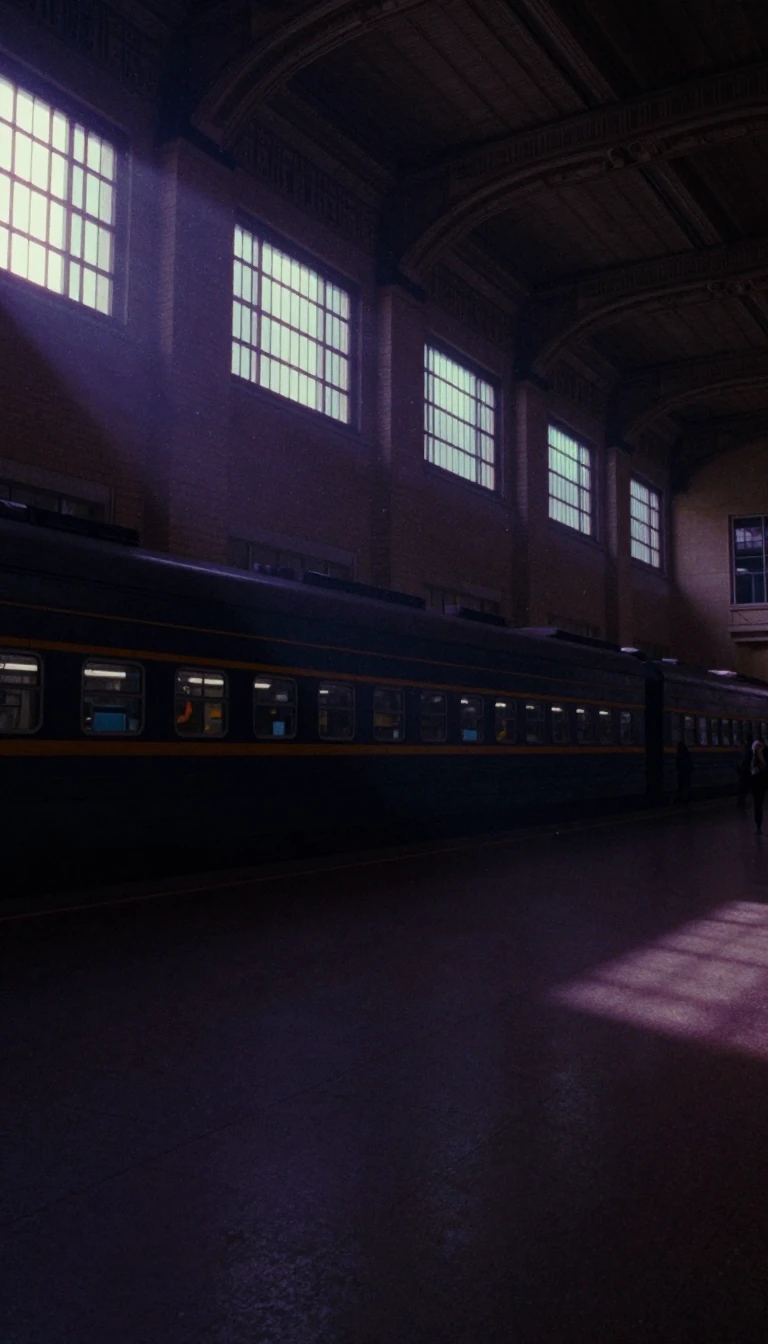
In short: Spanning over 31 kilometers, the Red Line is a critical artery for Mumbai, integrating elevated tracks with complex underground tunnels. This ambitious infrastructure project, featuring India's first domestically manufactured driverless trains, aims to streamline transit for millions while navigating the dense urban landscape of one of the world's busiest cities.
The Red Line, officially identified by the Mumbai Metropolitan Region Development Authority (MMRDA) in 2020, serves as a vital transit corridor connecting Mira-Bhayandar to the Chhatrapati Shivaji Maharaj International Airport. The project evolved from the original 2004 master plan, which initially proposed a shorter 18 km line. Today, the corridor comprises three integrated segments: Line 7, Line 7A, and Line 9. The majority of the 31.045 km route is elevated, utilizing a single-pier design to minimize land usage along the Western Express Highway, while the airport section transitions into a 2.49 km underground twin-tunnel system.
Construction has been a logistical challenge, requiring precise night-time operations to transport 1,400 massive U-girders from casting yards to installation sites. The project faced various hurdles, including legal disputes over land usage for casting yards and accidental damage to gas pipelines during piling work. Despite these setbacks, the line incorporates advanced technology, such as the Alstom Urbalis 400 communications-based train control system and regenerative braking on its driverless trainsets. These six-car rakes, manufactured by BEML in Bangalore, are designed to carry over 1,600 passengers each, significantly boosting the city's transit capacity.
The project's financial scale is equally significant, with the Asian Development Bank providing a $926 million loan—the largest infrastructure loan in its history—to support construction and system upgrades for both the Red Line and the parallel Line 2. Beyond its physical infrastructure, the Red Line has fostered community engagement, such as the 2017 citizen-led initiative to rescue and replant thousands of trees along the construction route. With ongoing expansions like the Phase 1 opening of Line 9 in April 2026, the Red Line continues to reshape Mumbai's urban mobility, supported by sustainable initiatives like station-mounted solar panels intended to generate 2,000 kW of power.
Opens the Intellect+ feed with this card first. Swipe up for the next one.
Sources
- Summary by Intellect · source: Red Line (Mumbai Metro)
To cite this card, link to https://intellectplus.co.uk/app/places-red-line-mumbai-metro.
How we source, check and correct cards: Editorial standards.
General information, not professional advice. Spotted an error? Flag the card or see corrections and complaints.
Intellect Plus is a visual educational discovery platform for exploring fascinating facts and ideas. Brain Food, Not Brain Rot. What is Intellect Plus?
Related
More in Asia · More in Countries & Cities · Latest · A–Z · All topics
