The German industrial valley where a monorail floats above the river
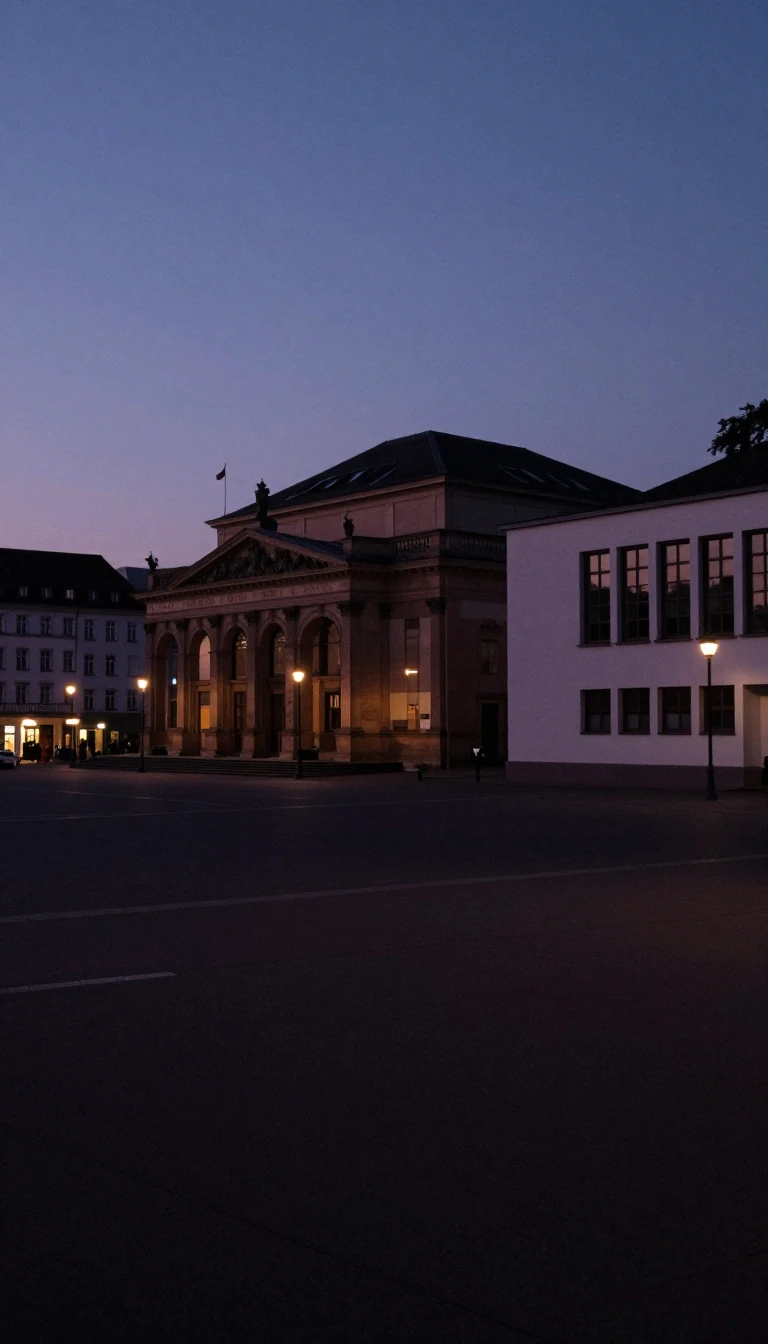
In short: Tucked into the steep banks of the Wupper River lies a city of remarkable engineering and industrial heritage. From the birth of Aspirin to a unique suspended monorail, Wuppertal’s history is a masterclass in how geography shapes human innovation and urban identity.
Wuppertal, located in North Rhine-Westphalia, is a city defined by its dramatic topography. Stretching roughly 10 miles along the Wupper River, its landscape is characterized by narrow valleys and steep hills, with elevations ranging from 100 meters in the riverbed to 350 meters at the Lichtscheid hill. This rugged terrain necessitated unique solutions, most famously the Wuppertal Schwebebahn. Built at the turn of the 20th century to connect the independent towns of Barmen and Elberfeld, this elevated monorail suspension railway follows the river's course through the city.
The city's industrial DNA was forged through centuries of textile evolution. By 1527, the region held a monopoly on yarn bleaching, and subsequent centuries saw the introduction of ribbon making, linen weaving, lace making in 1750, and silk weaving in 1775. This industrial momentum helped make the Wupper Valley one of Germany's first highly industrialized regions, even driving the expansion of the nearby Ruhr area due to the demand for coal. This legacy persists today through industries ranging from chemicals and pharmaceuticals to electronics and automobiles.
Beyond manufacturing, Wuppertal has been a site of global significance. It is the birthplace of Friedrich Engels and the site where Bayer patented Aspirin in 1897. The city's administrative identity was also a product of deliberate change; in 1929, several towns—including Barmen, Elberfeld, Cronenberg, Ronsdorf, and Vohwinkel—merged to form Barmen-Elberfeld. Following a 1930 referendum, the name was changed to Wuppertal, meaning 'Wupper Valley.' Despite the heavy damage sustained during World War II, the city was rebuilt in parallel terraces, maintaining its status as a lush, green urban center.
Opens the Intellect+ feed with this card first. Swipe up for the next one.
Sources
- Summary by Intellect · source: Wuppertal | Industrial City, Rhine Valley | Britannica
- Also: Wuppertal
To cite this card, link to https://intellectplus.co.uk/app/places-wuppertal.
How we source, check and correct cards: Editorial standards.
General information, not professional advice. Spotted an error? Flag the card or see corrections and complaints.
Intellect Plus is a visual educational discovery platform for exploring fascinating facts and ideas. Brain Food, Not Brain Rot. What is Intellect Plus?
Related
More in Europe and Russia · More in Countries & Cities · Latest · A–Z · All topics
