How the Russian SFSR evolved from a revolutionary state into the modern Russian Federation
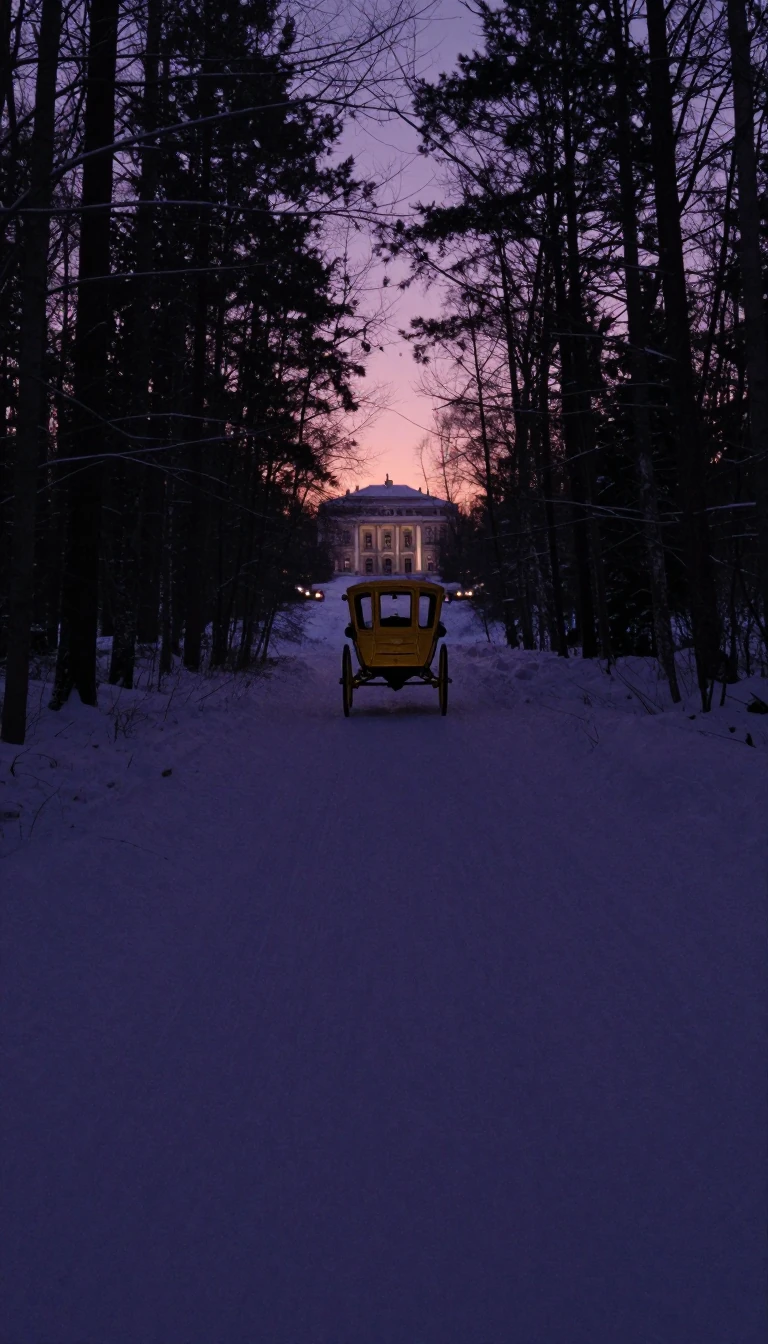
In short: Emerging from the 1917 October Revolution, the Russian SFSR began as a sovereign, communist experiment before becoming the largest republic within the Soviet Union. Its complex history, defined by shifting borders, internal power struggles, and eventual dissolution, ultimately laid the foundation for the contemporary Russian state we recognize today.
The Russian SFSR was born from the turbulence of 1917, following the collapse of the Romanov dynasty and the subsequent overthrow of the Russian Provisional Government. Initially lacking an official name, the state was proclaimed the Russian Soviet Republic in early 1918. By July of that year, the Fifth All-Russian Congress of Soviets adopted the name Russian Socialist Federative Soviet Republic and ratified its first constitution. This nascent state faced immediate challenges, including the devastating Russian Civil War and a famine in 1921–22 that claimed an estimated 5 million lives. By 1922, the RSFSR joined with the Ukrainian, Byelorussian, and Transcaucasian republics to form the USSR.
Throughout the Soviet era, the republic's geography and governance underwent constant revision. The 1936 Constitution solidified its name as the Russian Soviet Federative Socialist Republic, while administrative borders shifted frequently. Stalin’s leadership saw the forced deportation of ethnic groups and the annexation of territories like Kaliningrad in 1946. Later, under Khrushchev, the republic saw the restoration of previously dissolved autonomous regions and the 1954 transfer of the Crimean Oblast to the Ukrainian SSR. The economy, initially crippled by war, transitioned toward heavy industrialization, with the GOELRO plan driving massive increases in national power output from 1.9 billion kWh in 1913 to 48 billion kWh by 1940.
The final years of the RSFSR were marked by the 'War of Laws' and the rise of Boris Yeltsin. Following the 1990 Declaration of State Sovereignty, the republic asserted the priority of its own laws over Union-level legislation. After the August 1991 coup attempt destabilized the central government, the Belovezha Accords effectively dissolved the USSR. On December 25, 1991, the RSFSR was renamed the Russian Federation. Russia assumed the Soviet Union's international obligations, including its UN Security Council seat and nuclear stockpile, officially ending the Soviet era and transitioning to a semi-presidential system under the 1993 Constitution.
Opens the Intellect+ feed with this card first. Swipe up for the next one.
Sources
- Summary by Intellect · source: Russian Soviet Federative Socialist Republic
- Also: Russian Socialist Federative Soviet Republic
To cite this card, link to https://intellectplus.co.uk/app/places-russian-soviet-federative-socialist-republic.
How we source, check and correct cards: Editorial standards.
General information, not professional advice. Spotted an error? Flag the card or see corrections and complaints.
Intellect Plus is a visual educational discovery platform for exploring fascinating facts and ideas. Brain Food, Not Brain Rot. What is Intellect Plus?
Related
More in Countries and other regions · More in Countries & Cities · Latest · A–Z · All topics
