Founded on sugar and tragedy, this African capital sits near the equator today.
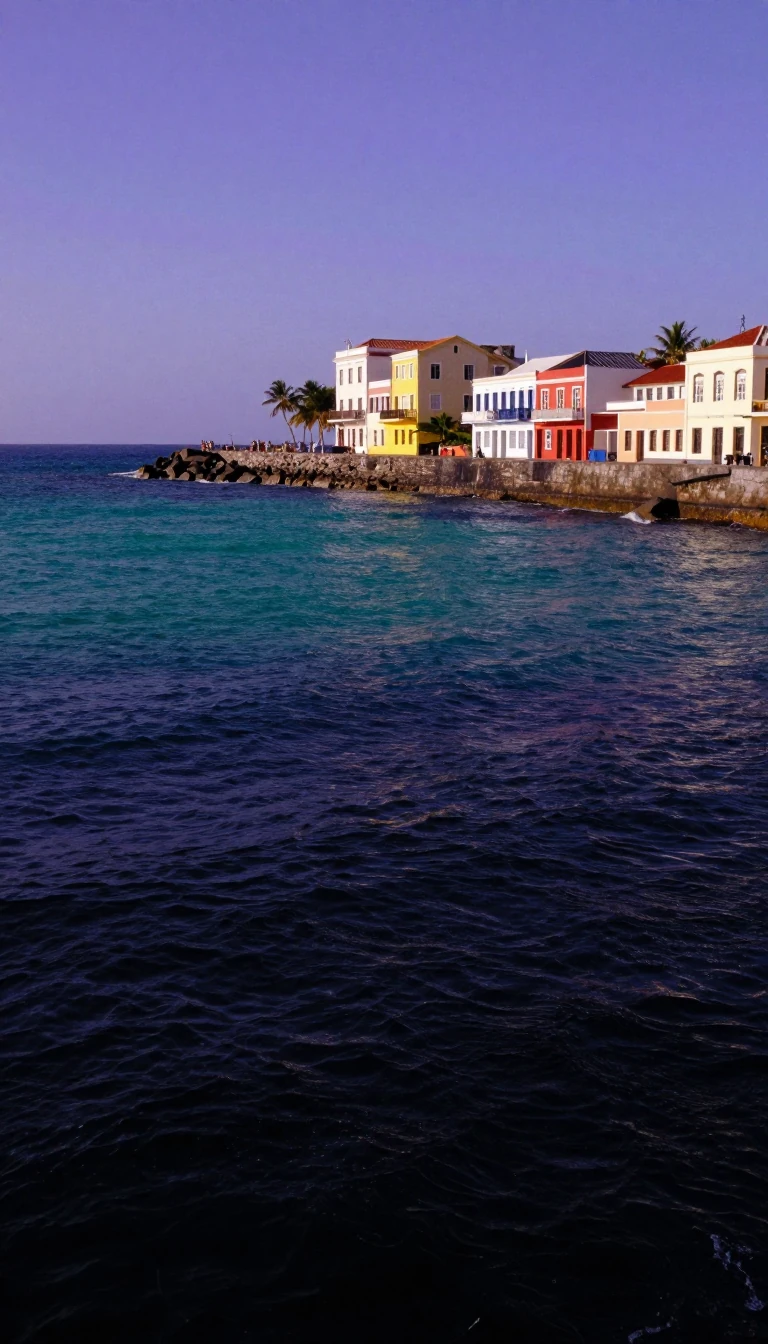
In short: São Tomé, one of Africa's oldest colonial cities, was established in 1493 as a hub for sugarcane production. Once a center for the slave trade, this equatorial capital has evolved from a Portuguese colonial outpost into the heart of a sovereign nation, defined by its unique history and tropical geography.
Founded by Álvaro Caminha in 1493, the city of São Tomé was built on an island that was uninhabited until roughly 1470. The Portuguese identified the location as ideal for sugarcane cultivation, leading to a dark chapter in its history. In 1497, the colonial administration forcibly transported 2,000 Jewish children from the Iberian Peninsula to the island to receive Catholic education. As the sugar industry expanded, the nearby Kingdom of Kongo became a primary source of enslaved labor, cementing the city's role as a central node in the sixteenth-century slave trade before Brazil surpassed its production levels by 1600.
The city's architecture reflects its layered past. The sixteenth-century cathedral remains a central landmark, though it underwent significant reconstruction in the 19th century. Fort São Sebastião, constructed in 1566, now serves as the National Museum. The capital has also been a site of resistance and conflict; in 1595, a slave revolt led by Rei Amador briefly seized control of the city. Throughout the 17th century, the Dutch occupied the capital twice, first in 1599 and again in 1641, reflecting the strategic importance of its port on Ana Chaves Bay.
Today, the city serves as the administrative and cultural center of the Democratic Republic of São Tomé and Príncipe. Situated just 40 kilometers north of the equator, it experiences a tropical wet and dry climate, influenced by the cold Benguela Current, which keeps the city cloudy and foggy even during the mid-year dry season. While the city remains a hub for education, transport, and government, it is also celebrated for the tchiloli, a traditional form of performance art that remains a distinct feature of local culture.
Opens the Intellect+ feed with this card first. Swipe up for the next one.
Sources
- Summary by Intellect · source: São Tomé
- Also: Wikidata — São Tomé · CC0
- Also: Wikidata — São Tomé · CC0
To cite this card, link to https://intellectplus.co.uk/app/places-s-o-tom.
How we source, check and correct cards: Editorial standards.
General information, not professional advice. Spotted an error? Flag the card or see corrections and complaints.
Intellect Plus is a visual educational discovery platform for exploring fascinating facts and ideas. Brain Food, Not Brain Rot. What is Intellect Plus?
Related
More in Capital cities · More in Countries & Cities · Latest · A–Z · All topics
