A landscape of extreme altitudes, from jungle slopes to the Altiplano plateau
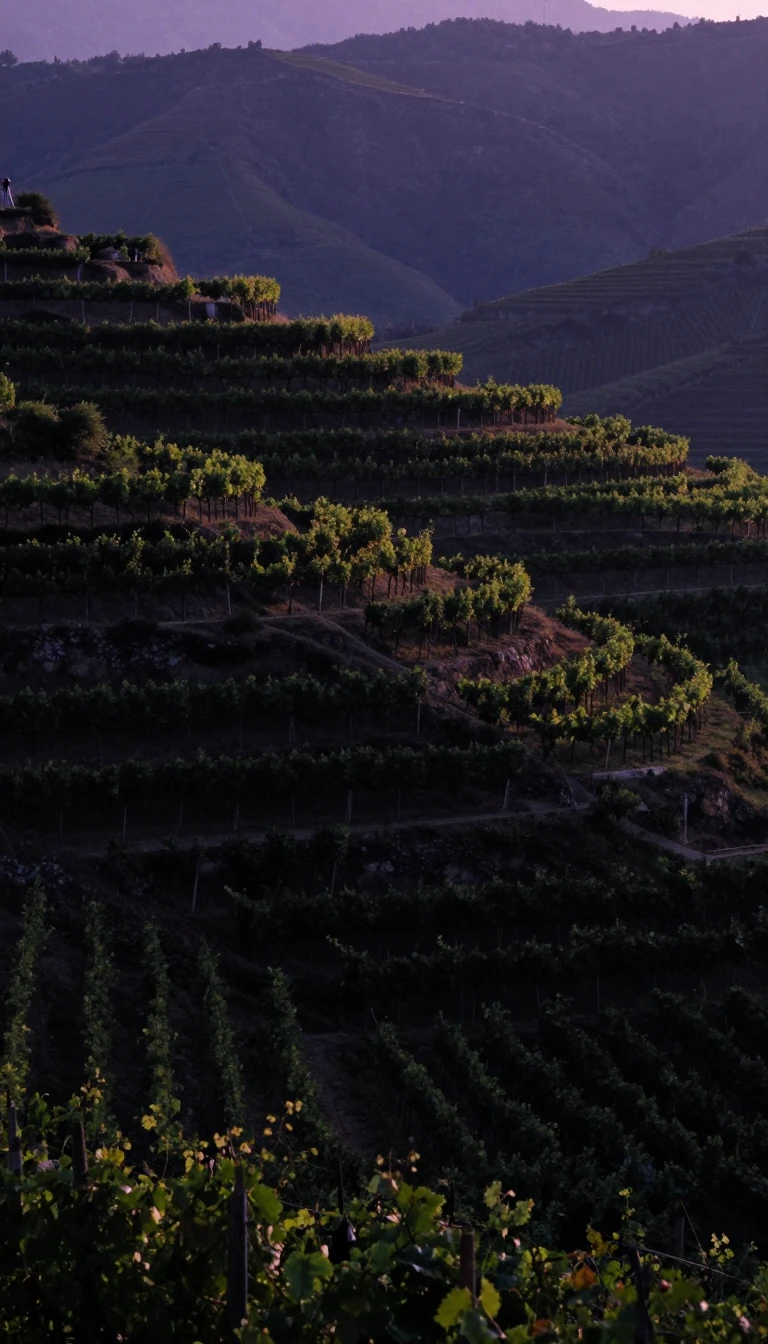
In short: In Argentina's northwest, Salta Province presents a dramatic vertical world. From the lush, high-rainfall jungles of the Andean slopes to the arid, high-altitude Altiplano plateau, the region's climate and culture are shaped by its intense orography and geological activity.
Salta's geography is defined by its extreme elevation changes. The eastern slopes of the Andes capture moist winds, creating a thick jungle with annual precipitation reaching up to 2,500 mm. Moving west, the landscape transitions into the valleys, which favor human settlement and agriculture through humid subtropical or subtropical highland climates. Further west lies the Altiplano, a plateau sitting between 3,000 and 4,000 metres above sea level, characterized by a cool semi-arid climate and salt flats.
This dramatic terrain is matched by geological instability. The province sits in an active region and has experienced several significant earthquakes. Notable events include a 7.0 magnitude earthquake in 1692, which inspired the annual citywide festival of El Señor y la Virgen del Milagro, and another 7.0 magnitude event in 1948. Other recorded tremors include a 6.5 magnitude earthquake in 1844 and a 6.1 to 6.3 magnitude event in 2010.
The province's history is a tapestry of indigenous heritage and colonial shifts. Before Spanish arrival, tribes such as the Quilmes, Humahuacas, and Atacamas inhabited the valleys and Puna. Following the first Spanish expeditions in 1535, the city of San Felipe de Salta was established in 1582. Over the centuries, the province's borders shifted through various political reorganizations, including the creation of the province in 1814 and the later withdrawal of Jujuy in 1834.
Today, the economy is diverse, spanning manufacturing, mining, and agriculture. While the economy has historically trailed the national average, it remains significant through the production of tobacco, sugar cane, and famous wines like Torrontés and Malbec from the Valles Calchaquíes region. The province also serves as a hub for gas, petroleum, and minerals such as uranium and silver.
Opens the Intellect+ feed with this card first. Swipe up for the next one.
Sources
- Summary by Intellect · source: Salta Province
- Also: Wikidata — Salta Province · CC0
To cite this card, link to https://intellectplus.co.uk/app/places-salta-province.
How we source, check and correct cards: Editorial standards.
General information, not professional advice. Spotted an error? Flag the card or see corrections and complaints.
Intellect Plus is a visual educational discovery platform for exploring fascinating facts and ideas. Brain Food, Not Brain Rot. What is Intellect Plus?
Related
More in Regions and country subdivisions · More in Countries & Cities · Latest · A–Z · All topics
