The Spanish seaside resort that rose from the ashes of total destruction
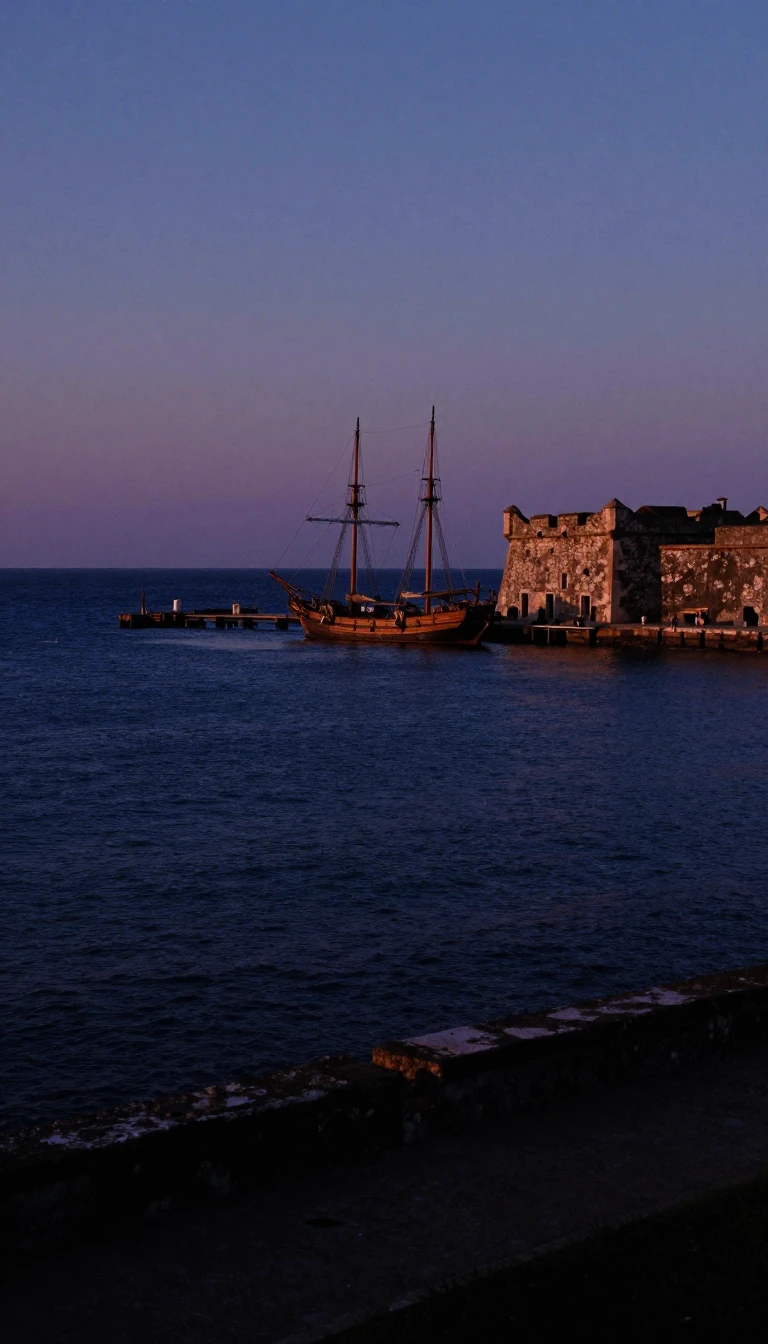
In short: Today, San Sebastián is a premier destination for culture and tourism. Yet, this Basque jewel has survived everything from Paleolithic hunters and Roman settlements to being burnt to the ground by British and Portuguese troops during the Peninsular War.
The city's history is a saga of resilience and transformation. While human presence in the area dates back to the Upper Paleolithic—with evidence of hunters using stone knives between 24,000 and 22,000 BC—the modern city's layout was forged by catastrophe. In 1813, during the Peninsular War, a siege by British and Portuguese forces resulted in the city being ransacked and burnt. Only one street, now known as 31 August Street, survived the devastation.
Following this destruction, the city underwent a significant reconstruction. Moving away from its previous military function, the 19th-century expansion adopted a neoclassical Parisian style. This era saw the demolition of defensive walls in 1863 and the creation of elegant landmarks like the La Concha Promenade. The Spanish monarchy eventually adopted the city as a summer retreat, mirroring the trend set by nearby Biarritz.
The 20th century brought both prestige and profound hardship. The city hosted international icons like Mata Hari and Maurice Ravel, yet it also endured the horrors of the Spanish Civil War. Between 1936 and 1943, the occupation by Spanish Nationalist forces led to the execution of 485 people in show trials, and the population plummeted by an estimated 40,000 to 50,000 inhabitants due to evacuations.
Today, the city is a vibrant cultural hub, having served as the European Capital of Culture in 2016. It maintains a unique identity through its bilingual name, Donostia / San Sebastián, where both forms share the same meaning: Saint Sebastian.
Opens the Intellect+ feed with this card first. Swipe up for the next one.
Sources
- Summary by Intellect · source: San Sebastián
- Also: Wikidata — San Sebastián · CC0
- Also: Wikidata — San Sebastián · CC0
To cite this card, link to https://intellectplus.co.uk/app/places-san-sebasti-n.
How we source, check and correct cards: Editorial standards.
General information, not professional advice. Spotted an error? Flag the card or see corrections and complaints.
Intellect Plus is a visual educational discovery platform for exploring fascinating facts and ideas. Brain Food, Not Brain Rot. What is Intellect Plus?
Related
More in Cities · More in Countries & Cities · Latest · A–Z · All topics
