Why Santa Ana winds might become more extreme despite occurring less often
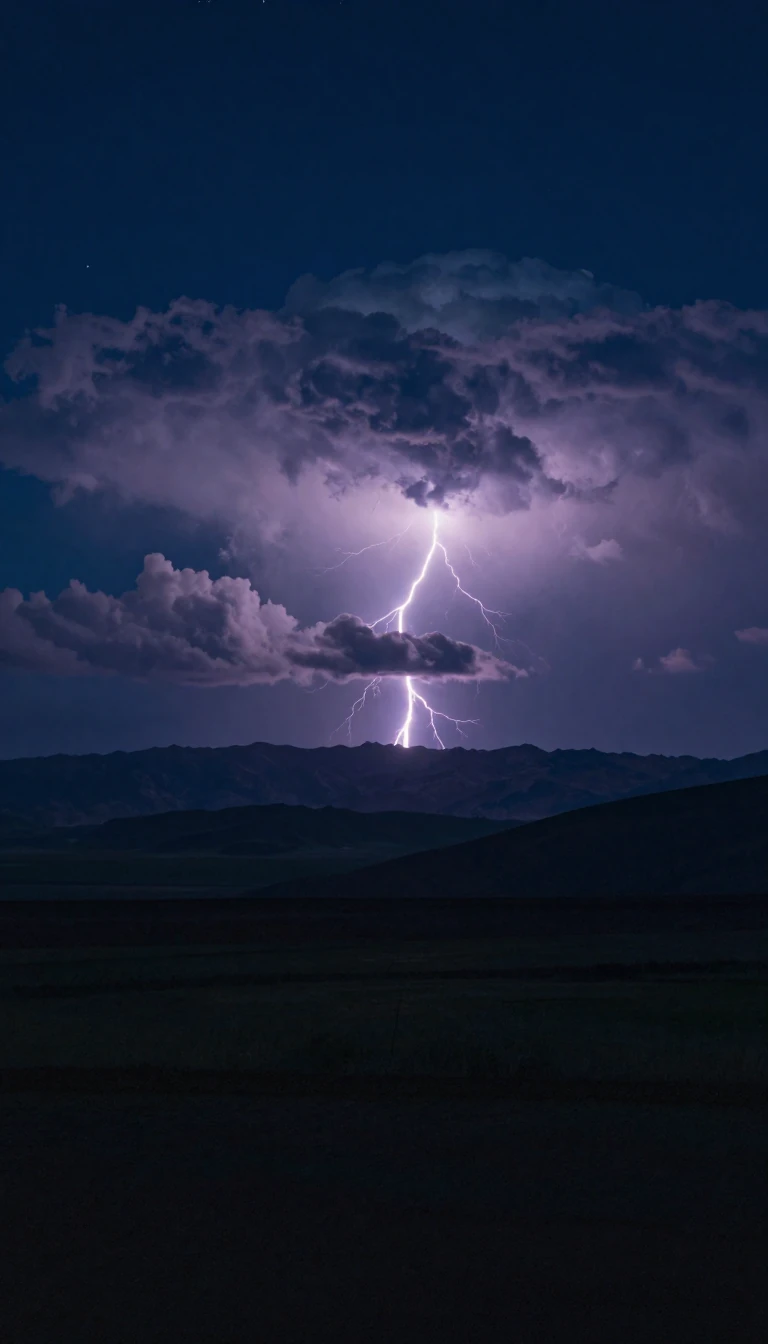
In short: These hot, dry winds blow from the Great Basin to coastal Southern California, fueling dangerous wildfires. While global warming may actually reduce how frequently these wind events occur, new high-resolution climate models suggest the winds that do arrive could be significantly more intense and drying.
Santa Ana winds (SAWs) are powerful, episodic winds that originate in high-pressure areas over the Great Basin, including parts of Nevada and Utah. As air flows clockwise from these anticyclones, it is drawn toward lower pressure near the Pacific Coast. This air is forced over mountain ranges like the Sierra Nevada and Transverse Ranges, accelerating as it is funneled through canyons and mountain passes.
A critical mechanism in these winds is compression. As the air descends from elevated interior regions to lower coastal elevations, it is rapidly compressed, which causes the temperature to rise by nearly 10 °C (50 °F) for every kilometer of elevation. This process, known as katabatic flow, creates the characteristic hot and extremely dry conditions that can spark devastating wildfires by drying out vegetation.
Predicting these winds has historically been difficult because many current-generation climate models lack the resolution to simulate them accurately. However, using the high-resolution GFDL SPEAR model with a 25 km horizontal grid, researchers have found that lower-resolution models (50 km or 100 km) fail to capture the true intensity of the winds. These high-resolution simulations show that while global warming is projected to make SAW events less frequent due to rapid warming in interior regions, the events that do occur are projected to cause even more extreme warming and drying near the surface.
These winds typically occur during the fall and winter, often peaking in December and January. While they can occur for several days—with an average event lasting three days—they can also persist for much longer, such as a recorded 14-day event in November 1957.
Opens the Intellect+ feed with this card first. Swipe up for the next one.
Sources
- Summary by Intellect · source: Projected Response of Santa Ana Winds over Southern California to global warming by a high-resolution climate model – Geophysical Fluid Dynamics Laboratory
- Also: Santa Ana winds | Speed, Season, Direction, & Facts | Britannica
- Also: Santa Ana winds
To cite this card, link to https://intellectplus.co.uk/app/places-santa-ana-winds.
How we source, check and correct cards: Editorial standards.
General information, not professional advice. Spotted an error? Flag the card or see corrections and complaints.
Intellect Plus is a visual educational discovery platform for exploring fascinating facts and ideas. Brain Food, Not Brain Rot. What is Intellect Plus?
Related
More in Cities · More in Countries & Cities · Latest · A–Z · All topics
