The hidden history of the cathedral where Navarre’s medieval kings were once crowned
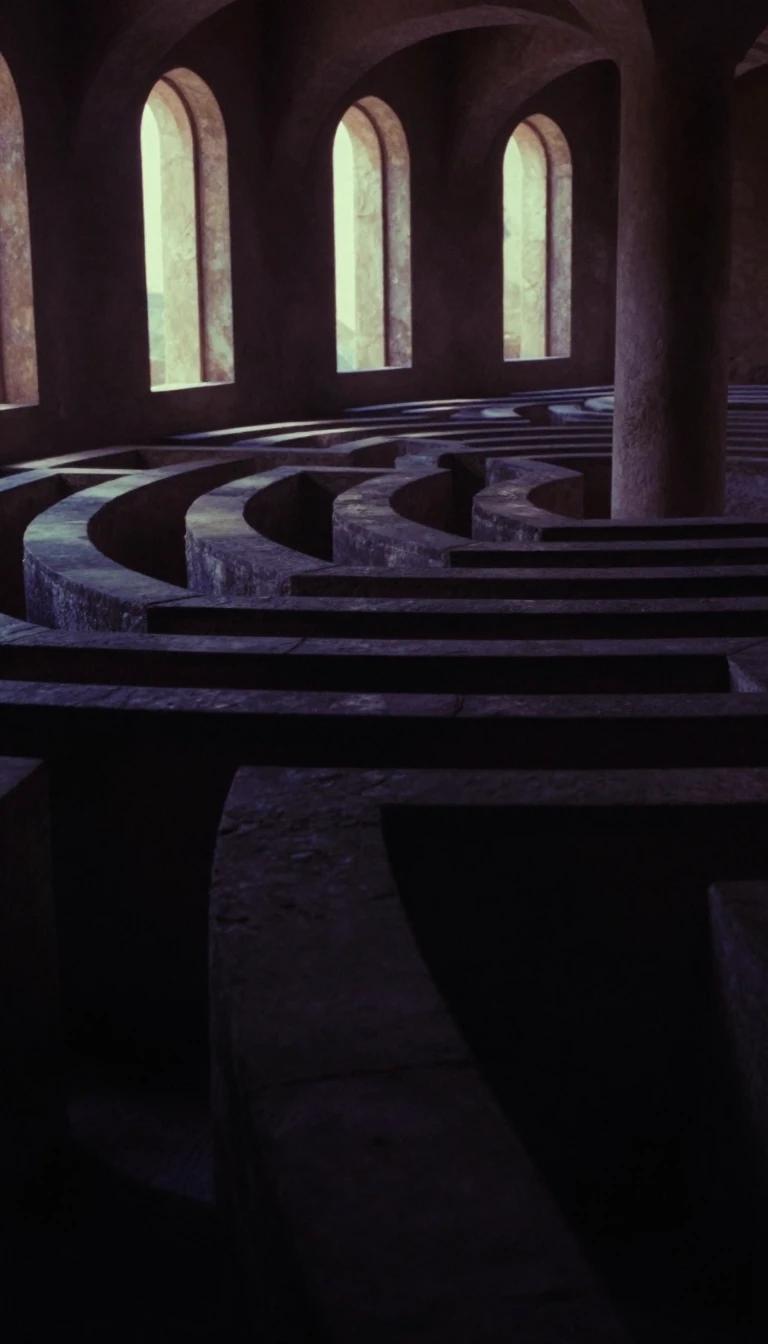
In short: Pamplona Cathedral is a architectural palimpsest, built over the oldest remains of Roman Pompaelo. While its current Gothic structure dates to the 15th century, the site has hosted multiple iterations of worship. Beyond its religious significance, it served as the political heart of Navarre, hosting coronations and parliamentary sessions.
The cathedral stands on the most ancient ground of the Roman settlement of Pompaelo, with excavations revealing urban structures dating back to the 1st century BC. The site has seen a cycle of destruction and rebirth; the original cathedral was razed in 924 during the military campaign of Abd-al-Rahman III, the Caliph of Cordoba. Subsequent centuries saw a series of reconstructions, including a Romanesque building erected between 1100 and 1127, which eventually collapsed in 1391, leaving only the facade intact. The current Gothic edifice, heavily influenced by French architectural models, was constructed between 1394 and 1501.
The cathedral’s identity is steeped in both political history and linguistic evolution. It served as the site for the coronation and burial of Navarre’s medieval monarchs and hosted the Navarrese Cortes. Despite its formal dedication to Saint Mary of the Assumption, popular tradition often refers to it as Santa María la Real. Historians like José Goñi Gaztambide note that this title lacks historical documentation, likely arising from a metonymic association with the temple's titular image. The name gained widespread public usage only after a canonical coronation ceremony held on September 21, 1946.
The interior is a repository of centuries of craftsmanship, ranging from the 13th-century cloister to a 16th-century processional monstrance. Notable burials include the tomb of Charles III of Navarre and his wife Eleanor of Castile, sculpted by Jehan Lome de Tournai in 1419. The cathedral also houses a Diocesan Museum within the former canons' quarters, featuring a 14th-century refectory and a collection of goldsmithing that spans from the 13th to the 18th centuries. The site remains a complex intersection of Navarrese royal legacy and evolving religious devotion.
Opens the Intellect+ feed with this card first. Swipe up for the next one.
Sources
- Summary by Intellect · source: Pamplona Cathedral
- Also: Wikidata — Pamplona Cathedral · CC0
To cite this card, link to https://intellectplus.co.uk/app/places-pamplona-cathedral.
How we source, check and correct cards: Editorial standards.
General information, not professional advice. Spotted an error? Flag the card or see corrections and complaints.
Intellect Plus is a visual educational discovery platform for exploring fascinating facts and ideas. Brain Food, Not Brain Rot. What is Intellect Plus?
Related
More in Famous landmarks · More in Countries & Cities · Latest · A–Z · All topics
