How a former fishing village became the Atlantic's most resilient, battle-hardened capital city
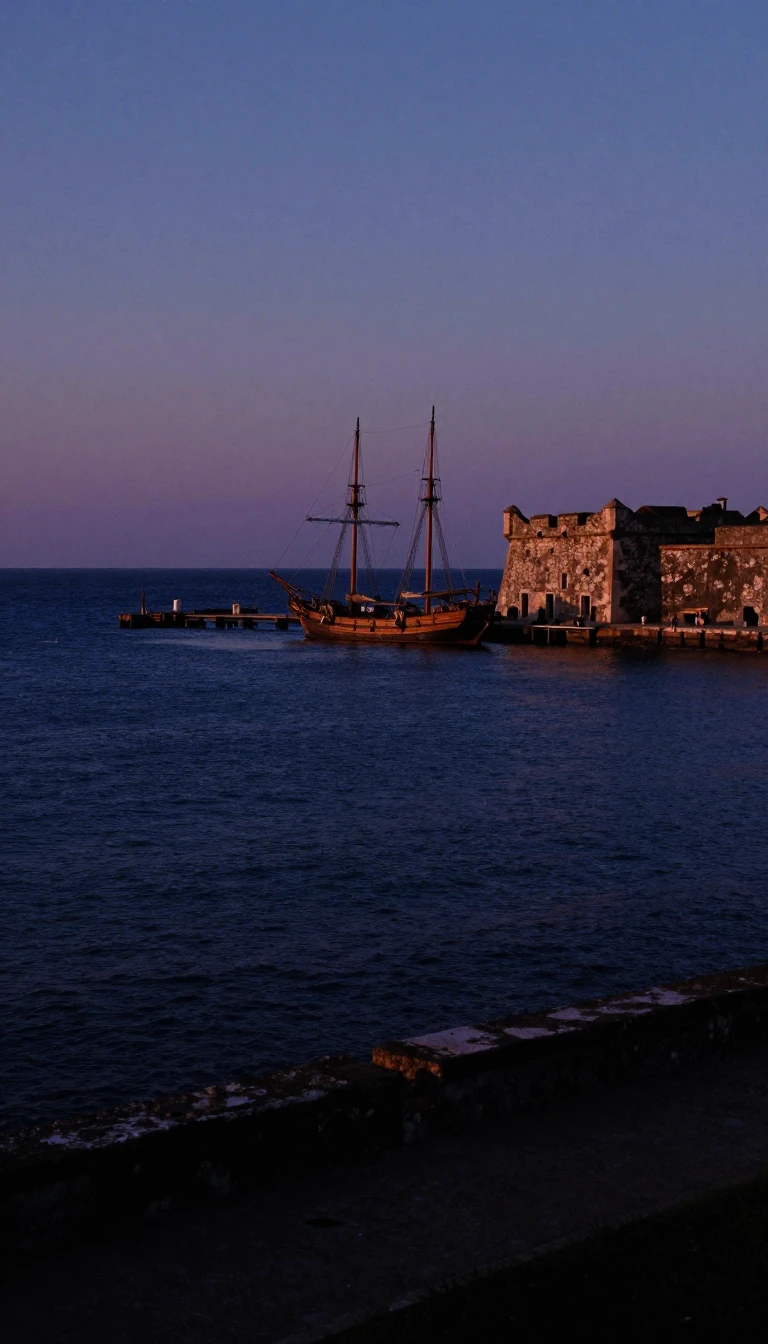
In short: Santa Cruz de Tenerife is more than a Canary Islands hub. It is a city defined by its survival, from repelling legendary British admirals to transforming its landscape through architectural ambition. With a history rooted in Guanche origins and a modern skyline, this port city remains a unique geopolitical crossroads.
Located 210 kilometres off the African coast, Santa Cruz de Tenerife has evolved from a humble fishing village into a vital Atlantic communications hub. Its history is marked by strategic importance, leading to repeated naval assaults. In 1656, Admiral Robert Blake defeated a Spanish fleet in its bay, while later attacks by John Jennings in 1706 and Horatio Nelson in 1797 were repelled. Nelson’s failed 1797 attempt is particularly storied, as the British admiral lost his right arm during the engagement, a victory now commemorated in the city’s unique oval-shaped seal.
The city’s administrative identity has shifted significantly over time. Between 1833 and 1927, it served as the sole capital of the Canary Islands. Since 1927, that status has been shared with Las Palmas. Today, the city acts as a center for regional governance, housing the Parliament of the Canary Islands and various ministries. Its urban character is a blend of the ancient and the modern; while it holds deep roots in the Guanche period—evidenced by archaeological sites dating back 2,000 years—it has also embraced a 'Manhattanization' phase, characterized by the construction of high-rise towers and contemporary landmarks like the Auditorio de Tenerife.
Beyond its political and architectural profile, Santa Cruz maintains a distinct secular and tolerant reputation. It was the first city in the Canary Islands to display the rainbow flag, and it hosts one of the world’s largest carnivals. Despite its growth, the city faces modern challenges, including a significant homelessness crisis, with nearly 1,000 people experiencing housing exclusion in the municipality as of May 2026. Nevertheless, it remains a place of high life expectancy, with residents living an average of 81 years, the highest among the Canarian capitals.
Opens the Intellect+ feed with this card first. Swipe up for the next one.
Sources
- Summary by Intellect · source: Santa Cruz de Tenerife
- Also: Wikidata — Santa Cruz de Tenerife · CC0
- Also: Wikidata — Santa Cruz de Tenerife · CC0
To cite this card, link to https://intellectplus.co.uk/app/places-santa-cruz-de-tenerife.
How we source, check and correct cards: Editorial standards.
General information, not professional advice. Spotted an error? Flag the card or see corrections and complaints.
Intellect Plus is a visual educational discovery platform for exploring fascinating facts and ideas. Brain Food, Not Brain Rot. What is Intellect Plus?
Related
More in Cities · More in Countries & Cities · Latest · A–Z · All topics
