The ancient santur is the ancestor of the modern piano and the hammered dulcimer
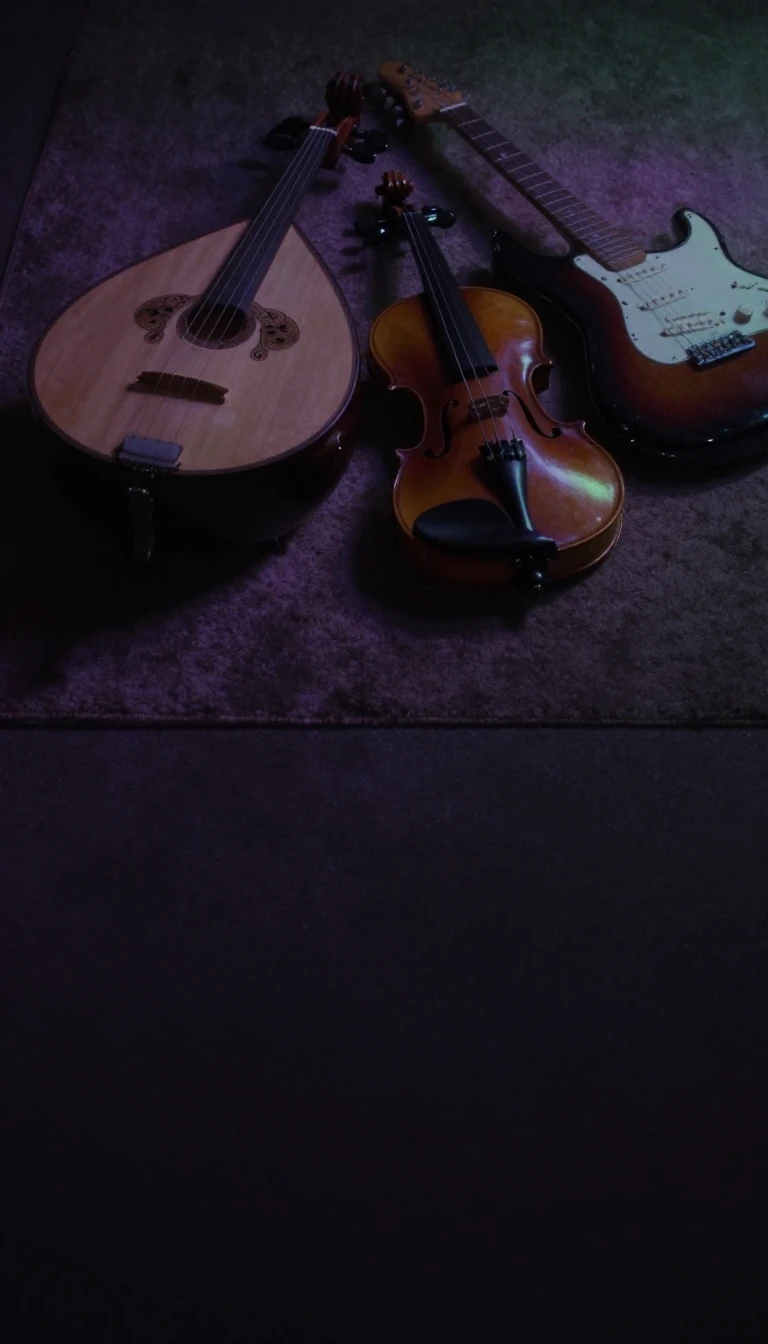
In short: Tracing its roots to 669 BCE, the santur is a hammered dulcimer that evolved across the Middle East. From ancient stone carvings to the classical Iraqi Maqam, this trapezoid instrument has influenced musical traditions globally, serving as the foundational ancestor for instruments ranging from the harpsichord to the Chinese yangqin.
The santur is a hammered dulcimer of Persian origin, with its earliest historical evidence appearing in Assyrian and Babylonian stone carvings dating back to 669 BCE. In these ancient depictions, the instrument was played while suspended from the musician's neck. Over the centuries, the design migrated and adapted across the Middle East, with early versions constructed from wood and goat gut strings. The name itself is linked to the Persian 'sanṭīr' and the Greek 'psalterion', with related terms appearing in early religious texts like the Book of Daniel.
The instrument's mechanical evolution is significant. A standard Persian santur typically features 18 bridges that divide the strings into three sections, providing a range of approximately three diatonic octaves. Musicians strike these strings using feather-weight mallets known as 'mezrabs'. In the Iraqi tradition, the instrument is a trapezoid box zither with a walnut body, utilizing 92 strings that are struck with wooden mallets called 'midhrab'. Unlike some other regional variants, the Iraqi santur has been fully chromatic since its inception, which facilitates the complex modulations required for the classical Iraqi Maqam tradition.
The santur's influence is widespread, serving as a progenitor for a vast family of string instruments. According to musicologist Habib Hasan Touma, it is the ancestor of the harp, the harpsichord, the qanun, the cimbalom, and various hammered dulcimers. As it traveled, it took on new forms: the Indian santoor became wider and more rectangular, while the Eastern European cimbalom grew into a much larger, chromatic instrument. Today, the santur remains a vital cultural artifact, reflecting the deep history of musical exchange between Persia, the Middle East, India, and beyond.
Opens the Intellect+ feed with this card first. Swipe up for the next one.
Sources
- Summary by Intellect · source: Santur
- Also: Wikidata — Santur · CC0
- Also: Wikidata — santur · CC0
To cite this card, link to https://intellectplus.co.uk/app/places-santur.
How we source, check and correct cards: Editorial standards.
General information, not professional advice. Spotted an error? Flag the card or see corrections and complaints.
Intellect Plus is a visual educational discovery platform for exploring fascinating facts and ideas. Brain Food, Not Brain Rot. What is Intellect Plus?
Related
More in Bodies of water · More in Countries & Cities · Latest · A–Z · All topics
