The Sava River is a vital artery connecting four capital cities in Central Europe.
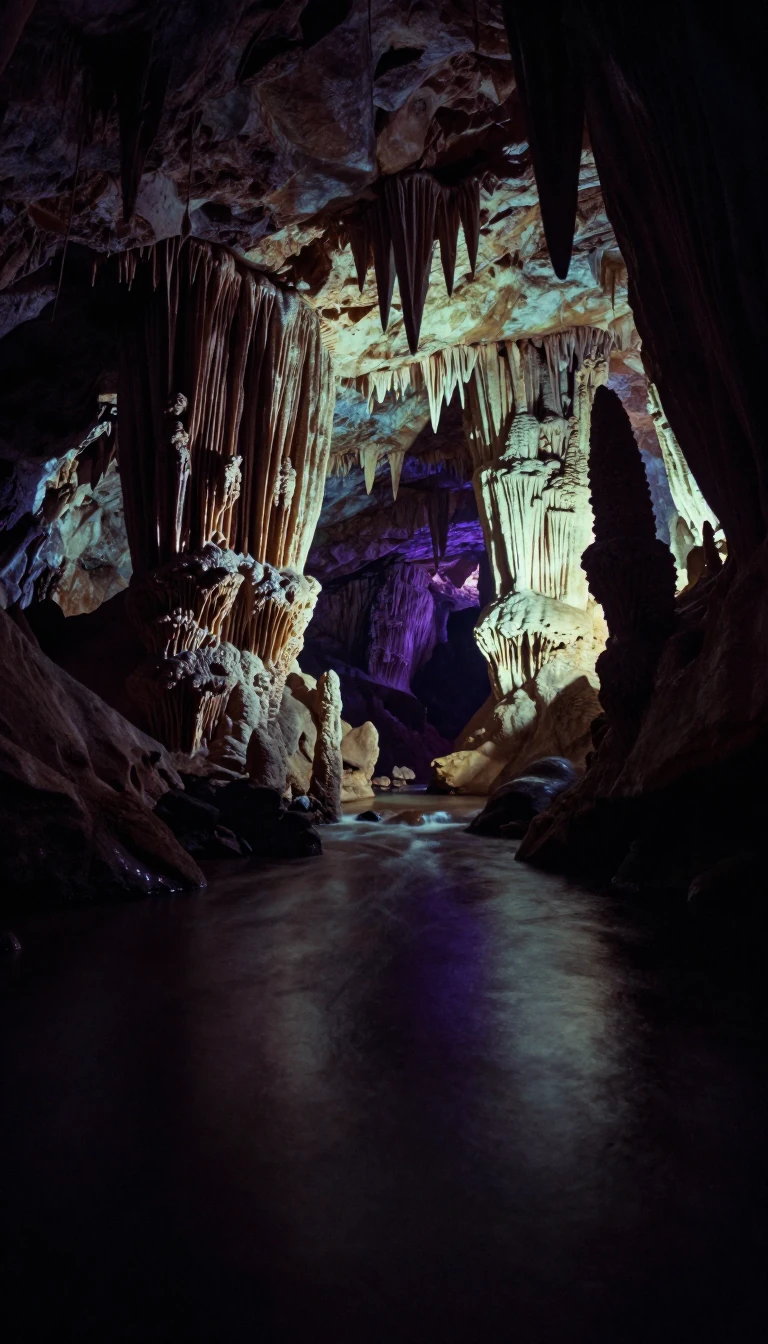
In short: Spanning 990 kilometers, the Sava is the Danube's largest tributary by volume. It flows through Slovenia, Croatia, Serbia, and along the Bosnian border, acting as a natural boundary between the Balkans and Central Europe. This complex waterway supports millions of people, powers regional industry, and holds deep geological history.
The Sava originates in northwest Slovenia as two headwaters, the Sava Dolinka and the Sava Bohinjka. The Dolinka rises near the Italian border at 833 meters above sea level, while the Bohinjka flows from Lake Bohinj. These streams merge at Radovljica to form the Sava proper. From here, the river travels southeast, carving through the Ljubljana Basin and the Sava Hills before entering the Pannonian Basin. Its path is defined by diverse topography, ranging from the rugged Southern Alps to the expansive plains of the lower course, where sediment depths in the Sava depression reach up to 5,500 meters.
Beyond its geography, the Sava is a critical economic and social hub. Its basin, covering 97,713 square kilometers, is home to an estimated 8,176,000 people and includes the capital cities of Ljubljana, Zagreb, Sarajevo, and Belgrade. The river is a primary source for public water supply, industrial processes, and electricity generation. Cooling for thermoelectric and nuclear power plants represents the largest use of its water. To manage these resources, the International Sava River Basin Commission was established in 2005 by the surrounding nations.
The river's history is marked by both natural power and human conflict. It is prone to flooding, which prompted the construction of the Sava–Odra flood-relief canal following a devastating 1964 event in Zagreb that killed 17 people. Navigation remains challenging due to bridge restrictions and unexploded ordnance left over from 20th-century conflicts, including World War II and the Yugoslav wars. Despite these obstacles, the Sava remains a defining feature of the landscape, with its name likely derived from a Proto-Indo-European root meaning 'that which waters the ground'.
Opens the Intellect+ feed with this card first. Swipe up for the next one.
Sources
- Summary by Intellect · source: Sava
- Also: Wikidata — Sava · CC0
- Also: Wikidata — Sava · CC0
To cite this card, link to https://intellectplus.co.uk/app/places-sava.
How we source, check and correct cards: Editorial standards.
General information, not professional advice. Spotted an error? Flag the card or see corrections and complaints.
Intellect Plus is a visual educational discovery platform for exploring fascinating facts and ideas. Brain Food, Not Brain Rot. What is Intellect Plus?
Related
More in Bodies of water · More in Countries & Cities · Latest · A–Z · All topics
