Why the world's most fragile landscapes sit between deserts and humid forests
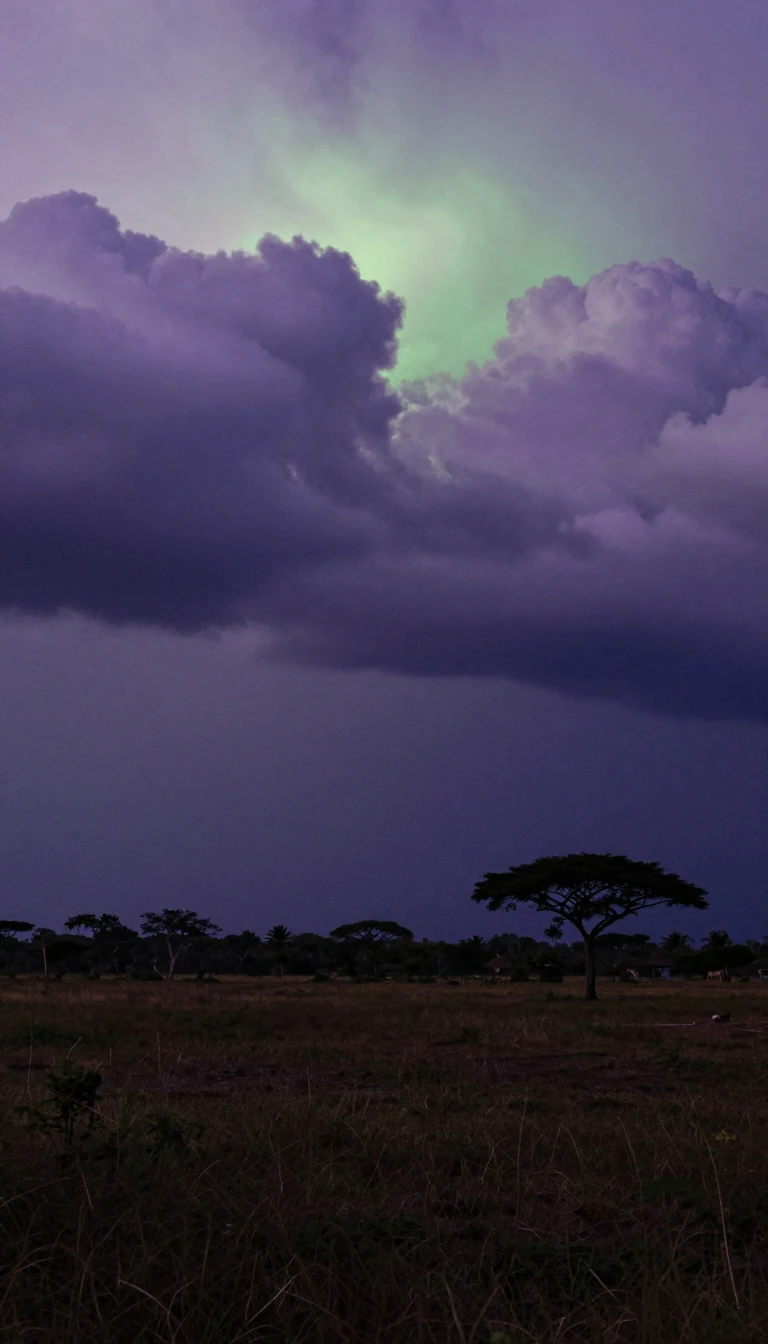
In short: Semi-arid climates are the planet's ecological middle ground. Receiving more rain than a desert but less than a forest, these regions are defined by a precise mathematical threshold. They support scrubby, resilient vegetation and are home to some of the most distinct and challenging environments on Earth.
The Köppen climate classification defines semi-arid regions—often called steppe climates—as a critical transition zone. These areas are not arid enough to be true deserts, yet they lack the moisture required to sustain dense forests. Instead, they are dominated by grasses and shrubs, creating landscapes that are ecologically sensitive and agriculturally distinct. The classification system relies on a specific formula to determine if a location qualifies: it compares annual precipitation against a threshold calculated by multiplying the average annual temperature in degrees Celsius by 20, then adjusting for the seasonal distribution of rainfall.
These climates are split into two primary categories based on a mean annual temperature isotherm of 18 °C. Hot semi-arid climates (BSh) are typically found in the tropics and subtropics, often bordering deserts. They experience hot summers and mild winters, with geographic examples ranging from the Australian Outback and parts of India to the Mediterranean fringes of Spain and Greece. In contrast, cold semi-arid climates (BSk) are generally situated in higher latitudes or elevated temperate zones. These regions are characterized by colder, freezing winters and significant diurnal temperature swings, sometimes exceeding 20 °C between day and night.
The importance of these regions is underscored by their historical and agricultural significance. Areas like Canada’s Palliser’s Triangle and the United States' Great Plains—the site of the 1930s Dust Bowl—demonstrate the volatility of these environments. Similarly, Goyder’s Line in South Australia serves as a famous boundary marking the limit of reliable agricultural potential. Because these climates exist on the edge of viability, they are highly susceptible to shifts in precipitation patterns, making them a focal point for understanding how ecosystems respond to the delicate balance between moisture and temperature.
Opens the Intellect+ feed with this card first. Swipe up for the next one.
Sources
- Summary by Intellect · source: Semi-arid climate
- Also: Wikidata — semi-arid climate · CC0
To cite this card, link to https://intellectplus.co.uk/app/places-semi-arid-climate.
How we source, check and correct cards: Editorial standards.
General information, not professional advice. Spotted an error? Flag the card or see corrections and complaints.
Intellect Plus is a visual educational discovery platform for exploring fascinating facts and ideas. Brain Food, Not Brain Rot. What is Intellect Plus?
Related
More in Cities · More in Countries & Cities · Latest · A–Z · All topics
