Why the world’s largest biome is far more than just endless shifting sand
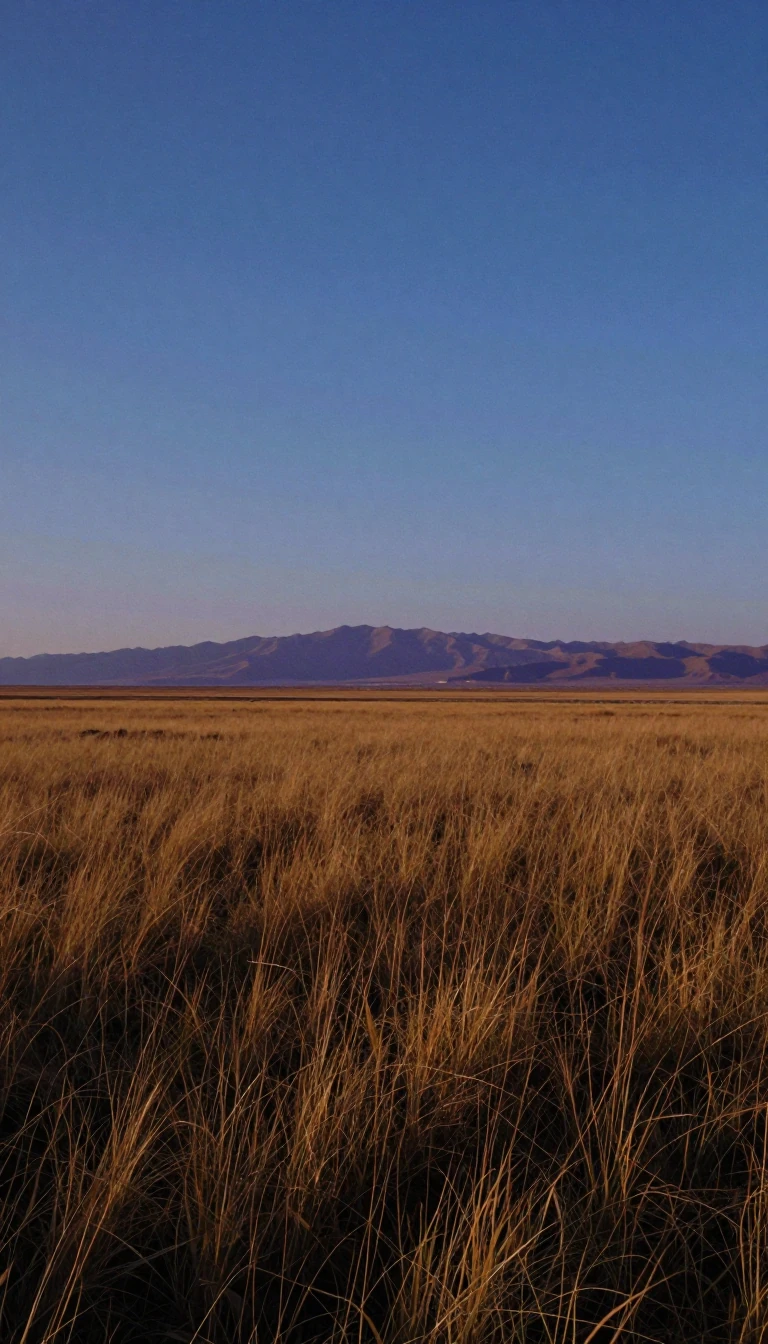
In short: Covering nearly one-fifth of our planet, deserts and xeric shrublands are defined by extreme dryness rather than heat alone. While we often imagine scorching dunes, this vast biome encompasses diverse climates and complex ecosystems where life has evolved ingenious strategies to survive in a world where evaporation constantly outpaces rainfall.
The World Wide Fund for Nature classifies deserts and xeric shrublands as the largest terrestrial biome on Earth, accounting for 19% of the total land surface. The term xeric, derived from the Ancient Greek word for dry, highlights the defining characteristic of these regions: an annual rainfall typically below 250 millimetres. Because these areas lack the insulating effects of humidity and cloud cover, they are defined by dramatic temperature swings, where blistering daytime heat frequently plunges into freezing cold at night. While some deserts like the Sahara remain hot year-round, others, such as the Gobi Desert in East Asia, experience harsh, cold winters.
Despite their unforgiving nature, these regions host a surprisingly rich array of biodiversity. Vegetation is dominated by woody-stemmed shrubs that have evolved specialized mechanisms to minimize water loss. Animal life is equally well-adapted to these ephemeral environments. Certain regions are particularly notable for their biological importance: the Nama Karoo in Namibia holds the world's richest desert fauna, the Chihuahuan desert is considered perhaps the most biodiverse desert ecoregion globally, and the Sonoran and Baja deserts are famous for their unique communities of giant columnar cacti.
The health of these landscapes is increasingly fragile. Desertification—the conversion of productive drylands into desert—is driven by both natural climatic shifts, such as the Milankovitch cycle, and human activities like intensive tillage or overgrazing. Furthermore, xeric shrublands face the threat of woody plant encroachment, where shrubs thicken at the expense of grasses due to fire suppression or unsustainable land management. This degradation disrupts vital ecosystem services, including groundwater recharge and overall productivity. Understanding these mechanisms is essential, as these regions are not static voids but dynamic, sensitive environments that respond deeply to both global climate patterns and local human intervention.
Opens the Intellect+ feed with this card first. Swipe up for the next one.
Sources
- Summary by Intellect · source: Deserts and xeric shrublands
To cite this card, link to https://intellectplus.co.uk/app/nature-deserts-and-xeric-shrublands.
How we source, check and correct cards: Editorial standards.
General information, not professional advice. Spotted an error? Flag the card or see corrections and complaints.
Intellect Plus is a visual educational discovery platform for exploring fascinating facts and ideas. Brain Food, Not Brain Rot. What is Intellect Plus?
Related
More in Earth science basics · More in Nature · Latest · A–Z · All topics
