Why Italy’s Senate meets in a palace originally built for the powerful Medici family
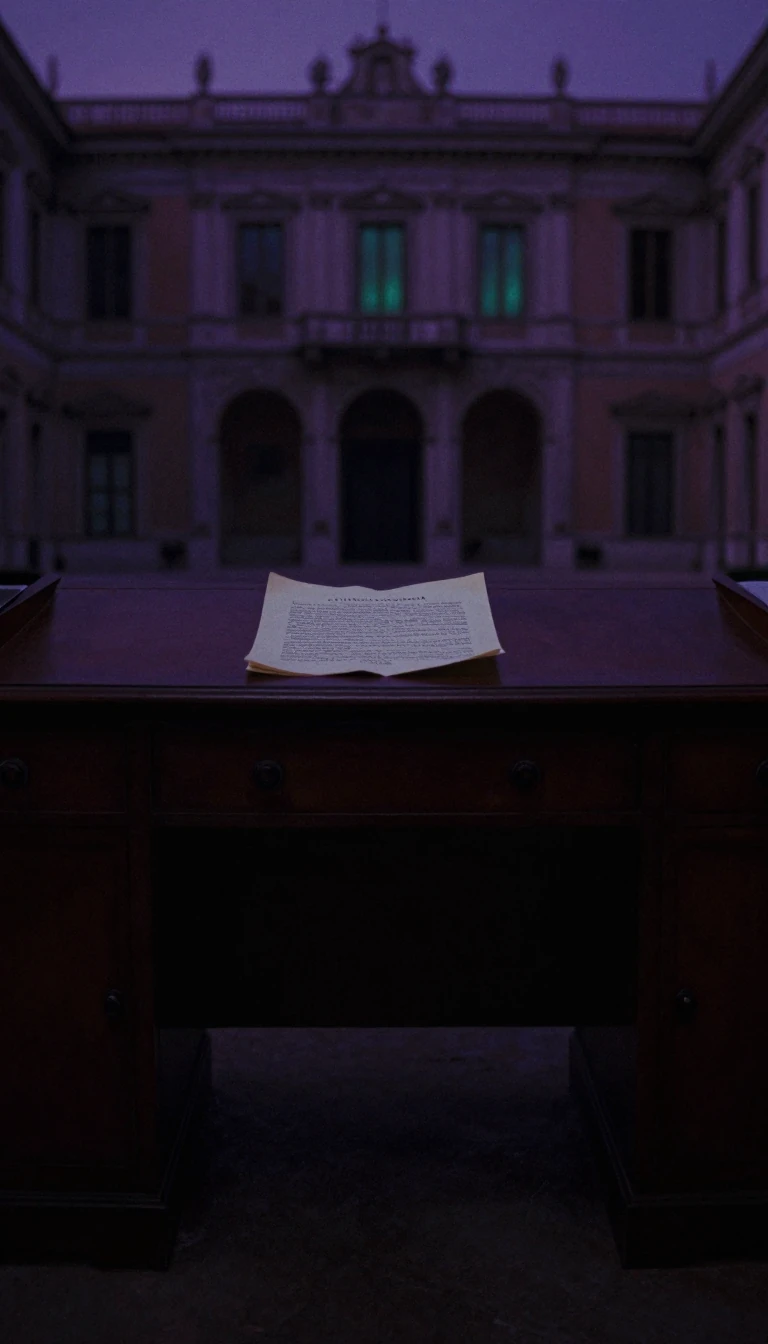
In short: The Italian Senate operates from Palazzo Madama, a historic Roman landmark that predates the modern Republic by centuries. While its legislative functions are defined by the constitution, its physical home reveals a complex history of papal administration, royal transition, and architectural evolution that continues to shape Italian political life today.
The Senate of the Republic, or Senato della Repubblica, serves as the upper house of Italy's perfect bicameral parliament. Established in its current form on 8 May 1948, it functions alongside the Chamber of Deputies with identical powers. The institution traces its lineage back to the Senato del Regno of the Kingdom of Italy and the earlier Subalpine Senate of Sardinia, which dates to 1848. Since 1871, the Senate has convened at Palazzo Madama in Rome, a structure originally completed in 1505 for the Medici family and later utilized by the Papal Government before becoming the seat of the Italian legislature.
Recent constitutional reforms have significantly altered the Senate's composition. Following amendments in 2020 and 2021, the number of elected senators was reduced from 315 to 200. While the Senate remains a regionally based body, the voting age for its members was lowered to 18, aligning it with the Chamber of Deputies. Today, 196 senators are elected proportionally based on regional population, while four represent Italians living abroad. The chamber also includes a small number of life senators, consisting of former presidents of the Republic and up to five citizens appointed for exceptional social, scientific, artistic, or literary contributions.
The electoral process utilizes a parallel system where 37% of seats are decided by first-past-the-post voting and 63% by proportional representation. This structure ensures that the Senate remains a central, albeit modernized, pillar of Italian governance. Despite a 2016 referendum that sought to strip the body of its legislative veto power and elected status, the Senate retains its full constitutional authority, meeting in a chamber adorned with frescoes like Cesare Maccari’s depiction of Cicero, a constant reminder of the deep historical roots underlying the modern Italian state.
Opens the Intellect+ feed with this card first. Swipe up for the next one.
Sources
- Summary by Intellect · source: Senate of the Republic (Italy)
To cite this card, link to https://intellectplus.co.uk/app/places-senate-of-the-republic-italy.
How we source, check and correct cards: Editorial standards.
General information, not professional advice. Spotted an error? Flag the card or see corrections and complaints.
Intellect Plus is a visual educational discovery platform for exploring fascinating facts and ideas. Brain Food, Not Brain Rot. What is Intellect Plus?
Related
More in Countries and other regions · More in Countries & Cities · Latest · A–Z · All topics
