Seram Island is a tectonically twisted, biodiverse cradle of the central Moluccan people.
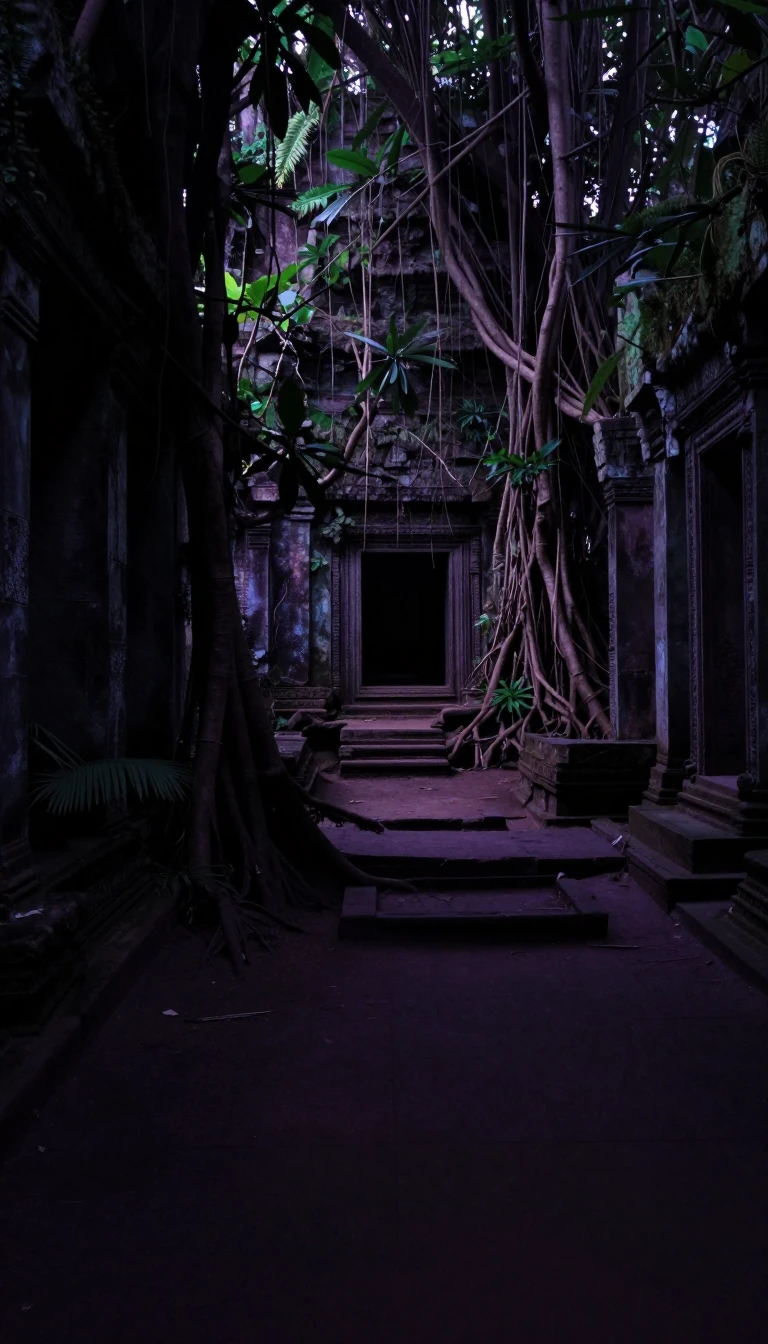
In short: Known colloquially as Nusa Ina, or Mother Island, Seram is the ancestral heart of the central Moluccans. Beyond its cultural significance, this Indonesian island is a geological marvel, shaped by the violent collision of tectonic microplates that have twisted the land by 80 degrees over the last eight million years.
Seram’s geography is defined by its extreme complexity. Situated at the intersection of several microplates, the island has been forced upward by the northward pressure of the Australian Plate and the faster movement of the Papua microplate. This tectonic activity has created a central mountain range featuring peaks exceeding 3,000 meters, such as Mount Binaiya. The island also contains significant karst landscapes, including Hatu Saka, Indonesia’s deepest cave at 388 meters below the surface, and the Sapalewa, one of the world’s largest underground rivers.
The island’s isolation and rugged terrain have fostered a unique biological sanctuary. Seram supports 117 bird species, with 14 being endemic, including the salmon-crested cockatoo and various lories. Its mammal population is equally distinct, harboring the highest number of endemic mammals in the region, such as the Seram bandicoot and several threatened rat species. Coastal areas are home to saltwater crocodiles, which occasionally traverse freshwater routes like the Salawai River, while the interior is protected by the 1,890-square-kilometer Manusela National Park, established in 1997.
Historically, Seram has been a crossroads of influence. First explored by Europeans in 1512, the island transitioned through Portuguese missionary activity and Dutch colonial control by the mid-17th century. It later served as a base for Prince Nuku’s 18th-century rebellion and was the site of a guerilla struggle against Indonesian rule between 1954 and 1962. Today, the island’s demographics reflect a mix of indigenous traditions—such as the Manusela tribe’s Hinduism and the historical animism of the Alfur people—alongside the dominant Muslim and Christian populations that emerged following religious conflicts in the late 1990s.
Opens the Intellect+ feed with this card first. Swipe up for the next one.
Sources
- Summary by Intellect · source: Seram Island
- Also: Wikidata — Seram (island) · CC0
- Also: Wikidata — Seram · CC0
To cite this card, link to https://intellectplus.co.uk/app/places-seram-island.
How we source, check and correct cards: Editorial standards.
General information, not professional advice. Spotted an error? Flag the card or see corrections and complaints.
Intellect Plus is a visual educational discovery platform for exploring fascinating facts and ideas. Brain Food, Not Brain Rot. What is Intellect Plus?
Related
More in Islands · More in Countries & Cities · Latest · A–Z · All topics
