How a remote Tibetan town was rebranded to match a fictional paradise
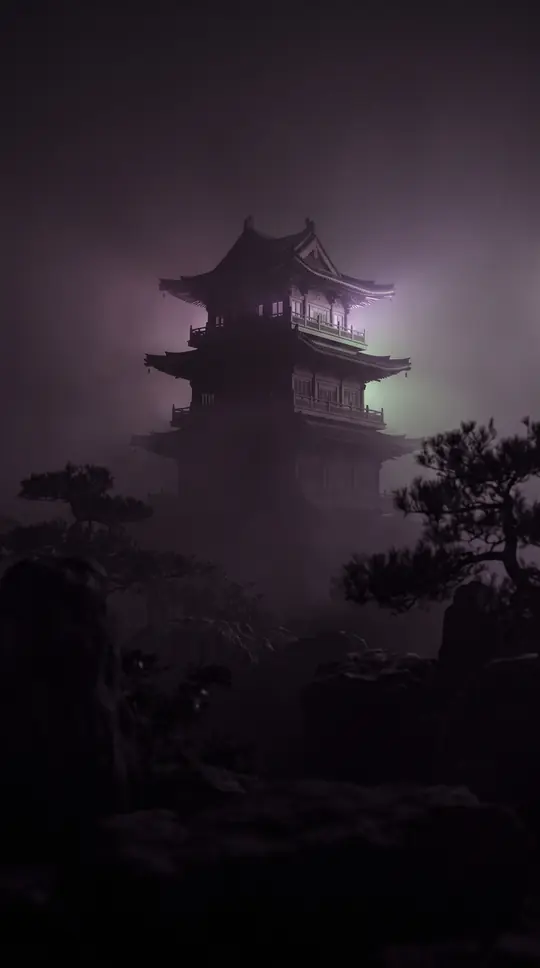
In short: In 2001, the Chinese government renamed the county of Zhongdian to Shangri-La, hoping to capitalize on the fame of James Hilton's 1933 novel, Lost Horizon. Today, this high-altitude city in Yunnan province serves as a gateway to Tibet, blending ancient Buddhist traditions with modern tourism infrastructure and ambitious transit projects.
Originally known as Zhongdian, the area was historically referred to by the Tibetan population as Gyalthang, meaning royal plains. The transition to its current name was a deliberate strategic move to boost tourism, culminating in its upgrade to a county-level city in 2014. Despite the branding, the city retains a distinctly Tibetan character, defined by fluttering prayer flags, holy mountains, and the presence of lamaseries. The local culture is diverse, with the southern region inhabited by the Naxi people, while the north is home to the Khampas, who speak a variety of Khams Tibetan.
The city's geography and climate are shaped by its extreme elevation, ranging from 2,700 to 3,500 metres. This altitude creates a unique environment where the annual mean temperature is just 6.32 °C. Winters are chilly and dry, often causing transportation dislocations that can isolate the region between November and March, while summers are cool and rainy. Despite these challenges, the city has become a major tourist hub, featuring sites like the Gandan Sumtseling Monastery and Pudacuo National Park, the first in China to meet IUCN standards.
Infrastructure development has significantly altered the city's accessibility. While long-distance buses remain a common way to reach the area from Lijiang, the opening of the Shangri-La railway station in November 2023 reduced travel time to Lijiang to just 1 hour and 20 minutes. The city also hosts the Diqing Shangri-La Airport, which connects to major hubs like Kunming, Chengdu, and Lhasa. Even after a devastating 2014 fire destroyed nearly half of the historic Dukezong neighborhood, the city's tourism sector proved resilient, as the most iconic sights remained intact and rebuilding efforts began quickly.
Opens the Intellect+ feed with this card first. Swipe up for the next one.
Sources
- Summary by Intellect · source: Shangri-La, Yunnan
To cite this card, link to https://intellectplus.co.uk/app/places-shangri-la-yunnan.
How we source, check and correct cards: Editorial standards.
General information, not professional advice. Spotted an error? Flag the card or see corrections and complaints.
Intellect Plus is a visual educational discovery platform for exploring fascinating facts and ideas. Brain Food, Not Brain Rot. What is Intellect Plus?
Related
More in Cities · More in Countries & Cities · Latest · A–Z · All topics
