How a post-war reconstruction turned a highway station into a global skyscraper hub
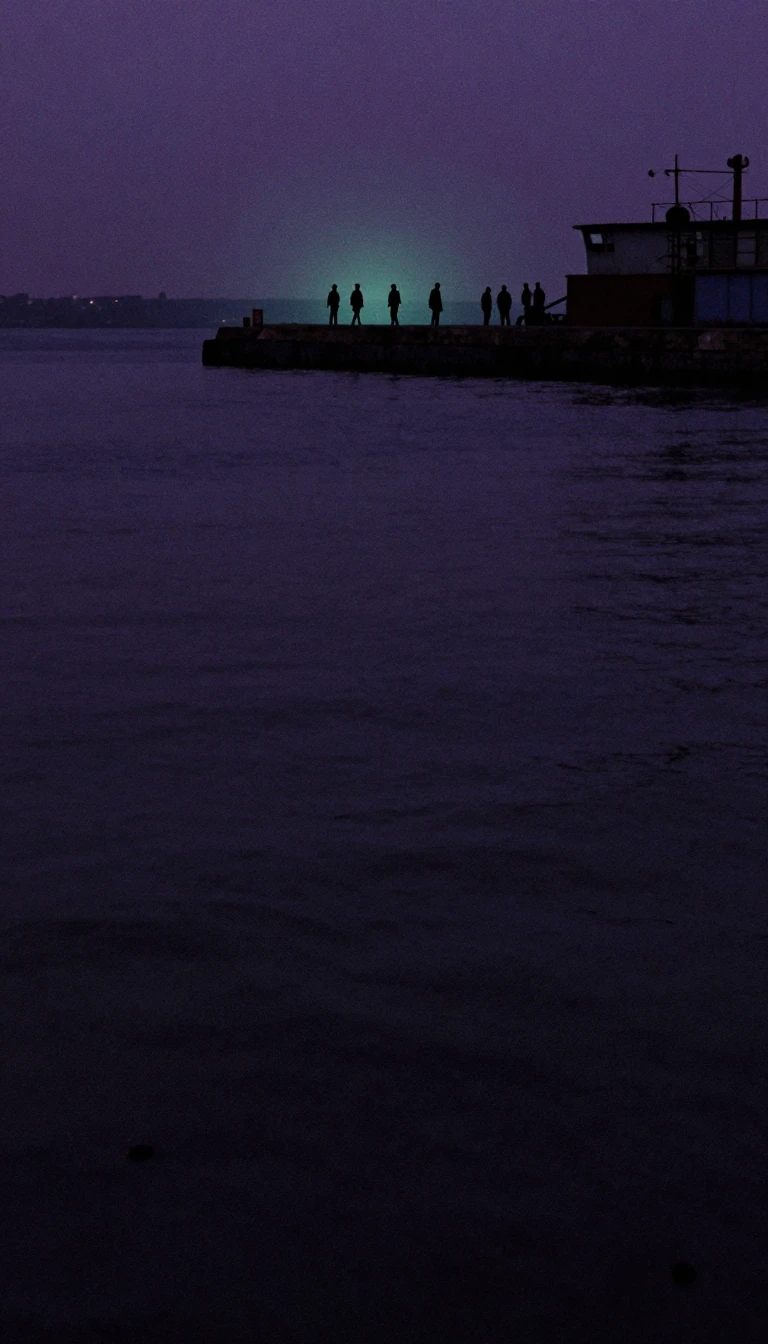
In short: Shinjuku is home to the world's busiest railway station, but its skyline wasn't always so grand. Once a collection of temples and a highway station, this Tokyo ward transformed from a war-torn landscape into a massive commercial engine and an epicenter for Japan's 1960s avant-garde.
The origins of Shinjuku lie in the Edo period. In 1634, as the outer moat of Edo Castle was constructed, various shrines and temples migrated to the Yotsuya area. By 1698, the area known as Naitō-Shinjuku had emerged as a 'new station' along the Kōshū Kaidō highway. This era left a lasting footprint; the mansion of the Naitō daimyō now occupies the site of Shinjuku Gyo-en, a massive 58.3-hectare park.
The ward's modern character was forged through resilience and radical shifts. While the 1923 Great Kantō Earthquake devastated much of Tokyo, the seismically stable area of West Shinjuku escaped, eventually allowing for its dense concentration of skyscrapers. However, the 1945 Tokyo air raids were catastrophic, destroying nearly 90% of the buildings around Shinjuku Station. The post-war reconstruction relied heavily on the surviving infrastructure of damaged roads and rails to rebuild the heart of the district.
Beyond commerce, Shinjuku served as Tokyo's cultural underground in the 1960s, mirroring New York's Greenwich Village. It was a hotbed for the Japanese New Wave film movement and 'angura' theater. Iconic venues like the Scorpio Theatre, named by novelist Yukiment Yukio Mishima, hosted influential underground performances. The district also saw intense political friction; in 1969, anti-war 'folk guerrillas' organized concerts at the station, leading to violent clashes with riot police that prompted the Asahi newspaper to headline: 'Guerrilla Warfare in the Heart of Shinjuku.'
Today, the ward is a massive administrative and economic powerhouse. Since 1991, the Tokyo Metropolitan Government has been headquartered here. As of 2025, the ward holds an estimated population of 355,981 people across 18.23 km2, hosting global giants like Olympus, Square Enix, and Seiko Epson.
Opens the Intellect+ feed with this card first. Swipe up for the next one.
Sources
- Summary by Intellect · source: Shinjuku
- Also: Wikidata — Shinjuku · CC0
- Also: Wikidata — Shinjuku · CC0
To cite this card, link to https://intellectplus.co.uk/app/places-shinjuku.
How we source, check and correct cards: Editorial standards.
General information, not professional advice. Spotted an error? Flag the card or see corrections and complaints.
Intellect Plus is a visual educational discovery platform for exploring fascinating facts and ideas. Brain Food, Not Brain Rot. What is Intellect Plus?
Related
More in Asia · More in Countries & Cities · Latest · A–Z · All topics
