How a remote village became the industrial heart of China's Third Front
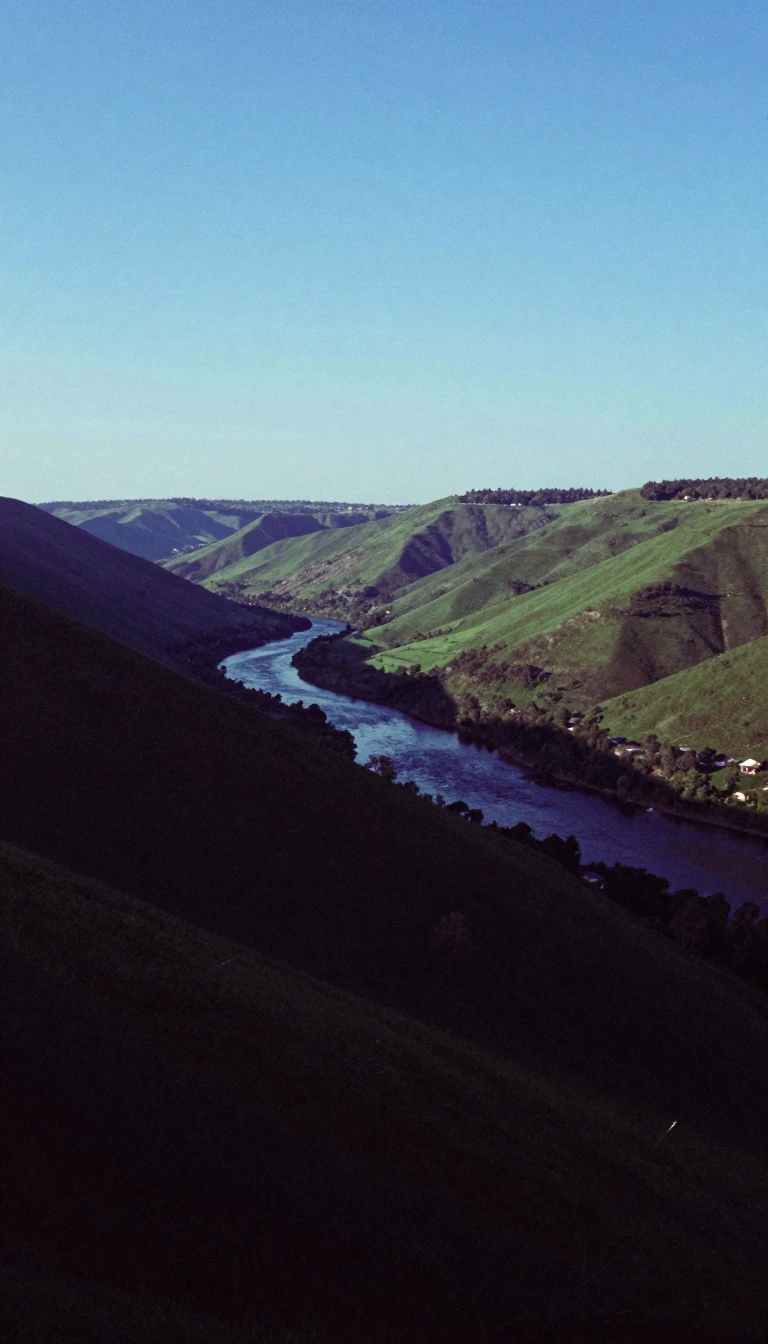
In short: In the 1960s, Mao Zedong transformed a tiny, impoverished village into a massive automotive hub to protect industry from potential invasion. Once dubbed the Detroit of China, Shiyan grew rapidly around the Second Automobile Works, but as the economy shifts, the city now balances its industrial legacy with new environmental mandates.
Shiyan, a prefecture-level city in northwestern Hubei, was once a small village of only a few hundred households. Its rapid transformation began in 1967 when the central government, fearing upheaval and foreign invasion, launched the Third Front construction project. By 1969, Shiyan was officially established as a city, and Mao Zedong ordered the commencement of truck production. Approximately 25,000 workers were deployed to build the necessary infrastructure for the Second Automobile Works, the predecessor to the Dongfeng Motor Corporation.
At its peak, the automotive industry employed nearly 200,000 people, granting Shiyan the second-highest living standard in China, trailing only Shenzhen. However, the city's reliance on heavy industry faced challenges by the 1990s as newer ventures favored larger cities with superior transport links. The 2003 relocation of Dongfeng's main passenger car plant to Wuhan triggered a period of population decline and industrial contraction. In response, the local government has pivoted toward economic diversification, including the production of electric vehicles through partnerships with the Renault–Nissan–Mitsubishi Alliance.
Beyond its industrial history, Shiyan is defined by its geography and its role in national water security. The Wudang Mountains, a major center for the Taoist faith, run through the region, housing up to 200 religious sites. Simultaneously, the city has become central to the South to North Water Transfer Project. Since 2008, the Danjiangkou Dam has been heightened and the reservoir expanded to supply water to northern cities like Beijing and Tianjin. This massive undertaking required the relocation of over 317,000 people, reflecting the city's ongoing evolution from a strategic military outpost to a vital resource hub.
Opens the Intellect+ feed with this card first. Swipe up for the next one.
Sources
- Summary by Intellect · source: Shiyan
- Also: Wikidata — Shiyan · CC0
To cite this card, link to https://intellectplus.co.uk/app/places-shiyan.
How we source, check and correct cards: Editorial standards.
General information, not professional advice. Spotted an error? Flag the card or see corrections and complaints.
Intellect Plus is a visual educational discovery platform for exploring fascinating facts and ideas. Brain Food, Not Brain Rot. What is Intellect Plus?
Related
More in Major world cities · More in Countries & Cities · Latest · A–Z · All topics
