How a minor river settlement became the industrial powerhouse of the Pearl River Delta
In short: Foshan, once a quiet village on the Fen River, transformed into a global manufacturing titan. Known as the Birmingham of China in the 19th century, this city now produces over half of the world's refrigerators and air conditioners, anchoring the massive Pearl River Delta megalopolis with its industrial might.
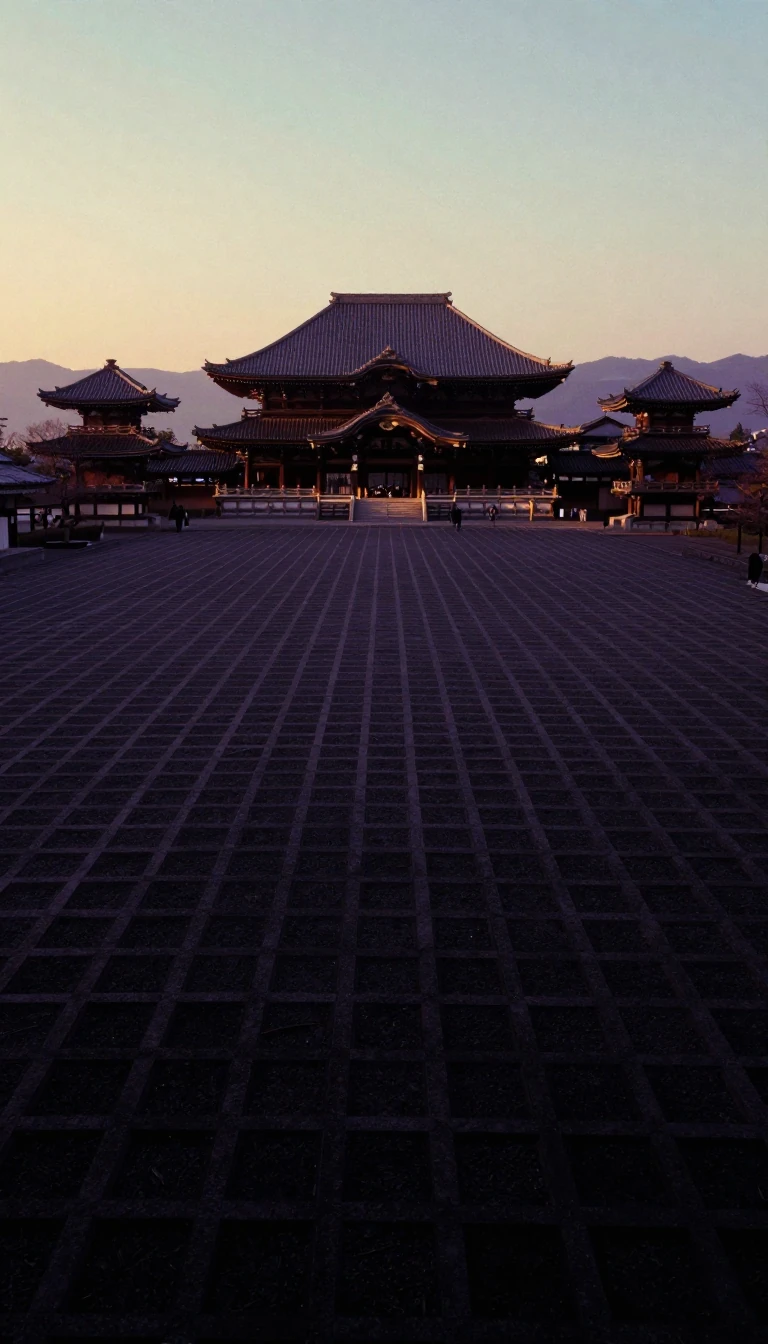
Foshan’s history is defined by its ability to reinvent itself. Originally a modest settlement, it grew around a Buddhist monastery until the 15th century, when the Ancestral Temple became the community's spiritual and social heart. By the 19th century, its reputation for ceramics and metalwork was so significant that English observers dubbed it the Birmingham of China, noting that its steel industry consumed the majority of Guangdong’s iron production.
The city’s trajectory was not always linear. During the Cultural Revolution of the 1950s and 60s, traditional ceramic production was banned, and local workshops were forced to pivot to political propaganda. However, the 1970s marked a turning point when the city was permitted to become an export production base. This shift allowed local leaders to capitalize on the national reform and opening-up policies, setting the stage for the rapid urbanization that followed.
Today, Foshan is a critical node in the Pearl River Delta, the world's largest urban area. Its economy is highly specialized, with over 30 towns dedicated to specific industries like furniture, machinery, and beverages. The Shunde District alone hosts more than 3,000 appliance factories, cementing the city's status as a manufacturing juggernaut. Despite this industrial focus, Foshan remains a cultural touchstone, recognized as the home of Cantonese opera, Nanquan martial arts, and traditional lion dancing.
Modern Foshan is deeply integrated into the regional infrastructure, connected by high-speed rail and a growing metro network to Guangzhou and beyond. While it maintains its historical identity, it is also a place of contemporary adaptation, evidenced by the rise of themed commercial districts and its role as a host for international events like the 2019 FIBA Basketball World Cup. It stands as a testament to how a localized market can evolve into a global economic engine.
Opens the Intellect+ feed with this card first. Swipe up for the next one.
Sources
- Summary by Intellect · source: Foshan
- Also: Wikidata — Foshan · CC0
- Also: Wikidata — 2789 Foshan · CC0
To cite this card, link to https://intellectplus.co.uk/app/places-foshan.
How we source, check and correct cards: Editorial standards.
General information, not professional advice. Spotted an error? Flag the card or see corrections and complaints.
Intellect Plus is a visual educational discovery platform for exploring fascinating facts and ideas. Brain Food, Not Brain Rot. What is Intellect Plus?
Related
More in Major world cities · More in Countries & Cities · Latest · A–Z · All topics
