The Sierra Madre Occidental is a massive, water-rich fortress rising above Mexico's arid plains.
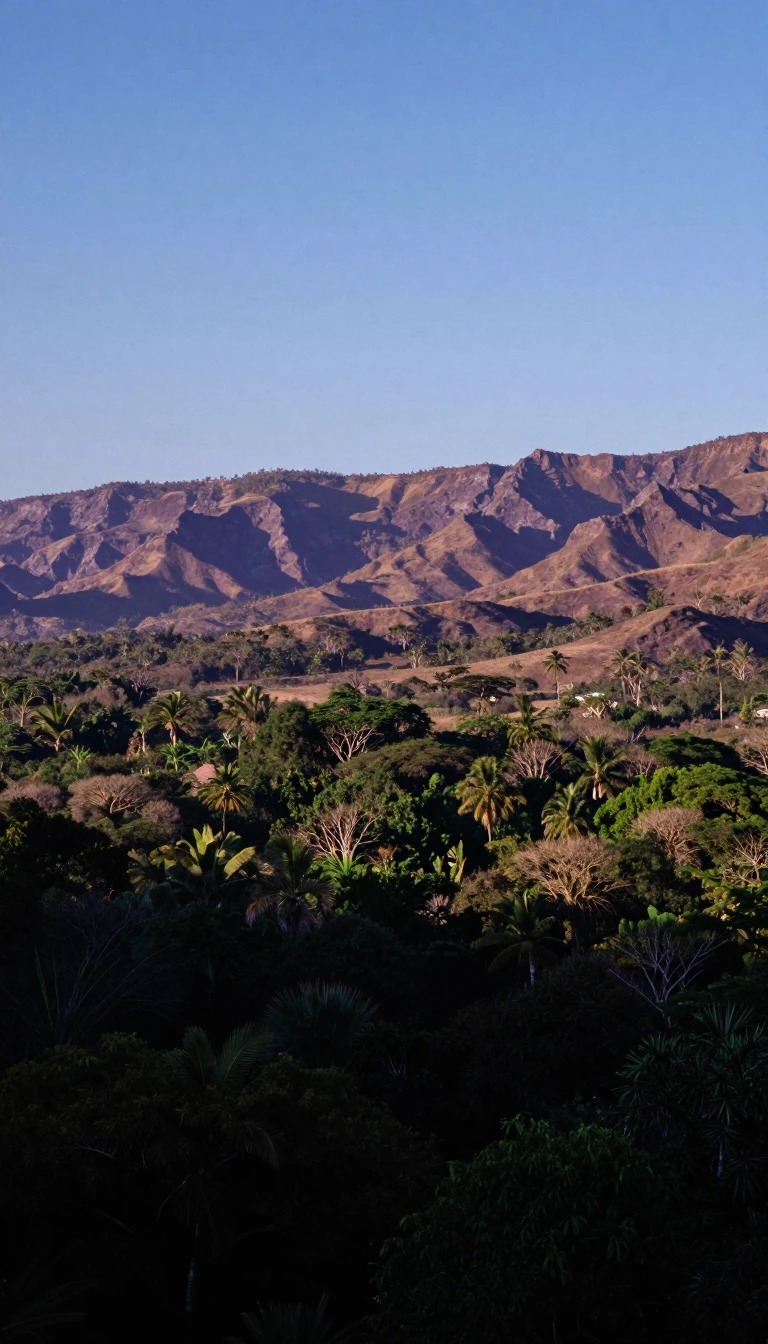
In short: Running parallel to the Pacific, this volcanic mountain range acts as a vital hydrological engine for northwestern Mexico. Its formidable canyons and high plateaus create isolated islands of biodiversity, providing essential water for agriculture in the surrounding desert. Yet, this rugged landscape remains a site of ongoing environmental and social tension.
The Sierra Madre Occidental is a vast mountain system stretching roughly 700 to 780 miles from the Arizona-Sonora border down to the Trans-Mexican Volcanic Belt. Forming the western edge of the Mexican Plateau, the range is a geological complex of Mesozoic folded strata topped by significant Cenozoic volcanic ash and lava deposits. Its average elevation sits between 7,380 and 9,000 feet, with some peaks, such as Cerro Mohinora or Cerro Gordo, potentially reaching heights between 9,970 and 10,990 feet. The landscape is defined by dramatic, deeply incised canyons, including the Copper Canyon, which in some sections exceeds the scale of the Grand Canyon.
These mountains function as a critical water tower for the region. By forcing air upward, the range triggers increased precipitation, creating wet, forested ecosystems that contrast sharply with the surrounding arid lowlands. This moisture feeds numerous rivers, such as the Yaqui, Fuerte, and Humaya, which flow toward the Gulf of California, as well as the Nazas and Aguanaval rivers that drain into closed basins. These watersheds are essential, supplying approximately 90 percent of the water used for irrigation in the area. Historically, this rugged terrain served as a sanctuary for indigenous groups, including the Tarahumara, who gave their name to the northern reaches of the range.
Today, the region faces significant challenges as human activity alters its natural state. While the mountains remain a hub for forestry and agriculture, these industries have become flashpoints for conflict. Land degradation and the expansion of infrastructure, such as dams built to capture the mountain runoff for irrigation, have sparked opposition from local populations. As the forests are reduced and the environment is reshaped to meet the demands of downstream agricultural districts, the Sierra Madre Occidental remains a contested landscape—a vital, water-giving backbone of the American Cordillera that is struggling to balance its ecological importance with the pressures of modern economic development.
Opens the Intellect+ feed with this card first. Swipe up for the next one.
Sources
- Summary by Intellect · source: Sierra Madre Occidental | mountain range, North America | Britannica
- Also: Sierra Madre Occidental
To cite this card, link to https://intellectplus.co.uk/app/places-sierra-madre-occidental.
How we source, check and correct cards: Editorial standards.
General information, not professional advice. Spotted an error? Flag the card or see corrections and complaints.
Intellect Plus is a visual educational discovery platform for exploring fascinating facts and ideas. Brain Food, Not Brain Rot. What is Intellect Plus?
Related
More in Land relief · More in Countries & Cities · Latest · A–Z · All topics
