Why the capital of Crimea bears a Greek name for a Tatar town
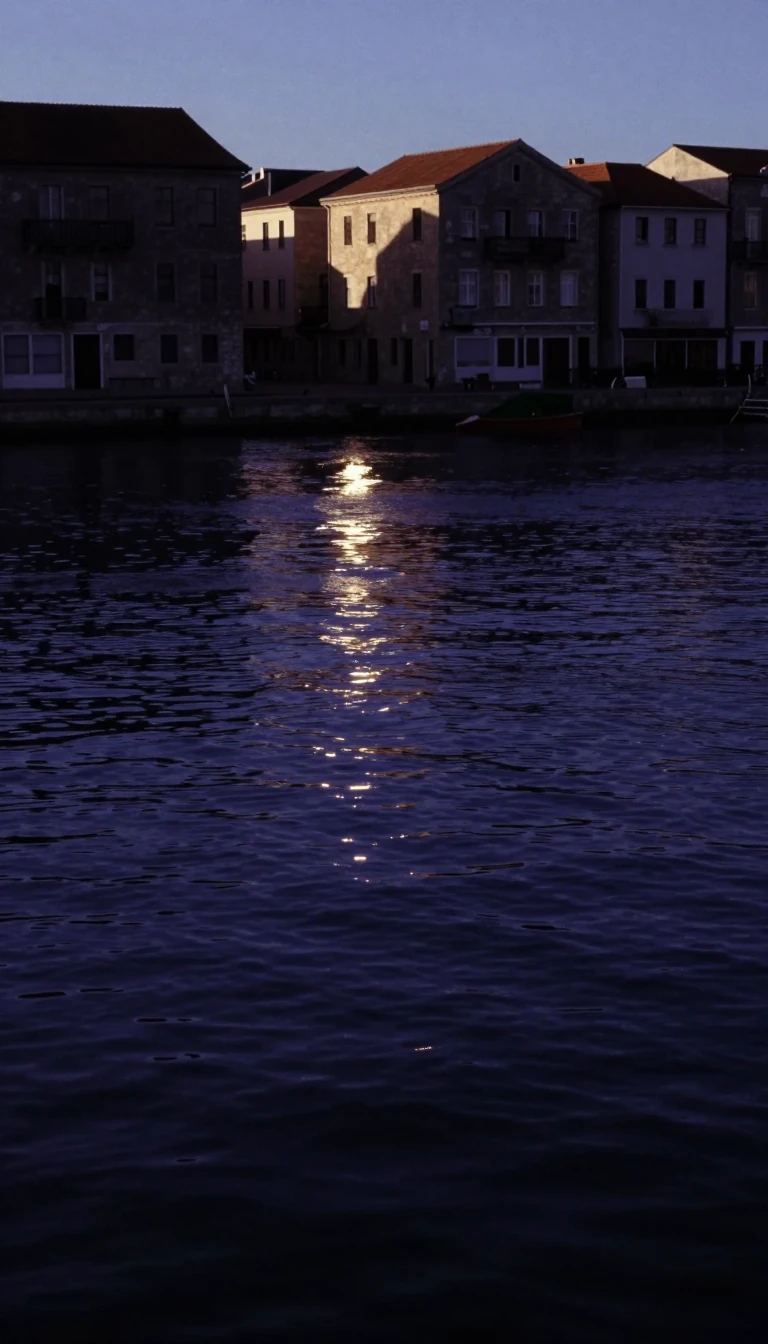
In short: Simferopol sits at a crossroads of ancient history and modern geopolitical tension. Founded by the Russian Empire in 1784 upon the site of an older Crimean Tatar settlement, the city’s name translates from Greek as the city of usefulness, masking layers of conquest, deportation, and shifting international borders.
The territory surrounding modern Simferopol has hosted civilizations for millennia, from the ancient inhabitants of the Chokurcha cave to the Crimean Scythians, who established their capital, Neapolis, between the 3rd century BC and the 4th century AD. By the time the Russian Empire annexed the Crimean Khanate in 1784, the area was known as Aqmescit. While often translated as White Mosque, the name actually reflects a Turkic cosmological tradition where white denotes the west, identifying the site as the Western Mosque. The town once served as the residence for the Qalğa-Sultan, the second-highest official in the Crimean Khanate.
Empress Catherine II of Russia ordered the creation of the modern city, adopting the Greek name Simferopol as part of a broader imperial plan to apply classical nomenclature to newly acquired southern territories. The city grew into a vital administrative and industrial hub, though it remained a site of profound human suffering. During the Second World War, Nazi forces occupied the city from 1941 to 1944, perpetrating massacres that claimed over 22,000 lives, primarily Jewish residents. Shortly after the Red Army liberated the city in 1944, the entire Crimean Tatar population was forcibly deported to Central Asia as collective punishment.
Today, Simferopol remains the administrative center of the Crimean Peninsula, though its status is heavily contested. While internationally recognized as part of Ukraine, the city has been under Russian administration since the 2014 annexation. This political reality complicates the lives of returning Crimean Tatars, who have faced ongoing disputes regarding land ownership after their return from exile in the 1990s. Despite these tensions, the city continues to function as a major transport and economic node, connected by the world's longest trolleybus line and a reservoir featuring the largest earth dam in Europe.
Opens the Intellect+ feed with this card first. Swipe up for the next one.
Sources
- Summary by Intellect · source: Simferopol
- Also: Wikidata — Simferopol · CC0
To cite this card, link to https://intellectplus.co.uk/app/places-simferopol.
How we source, check and correct cards: Editorial standards.
General information, not professional advice. Spotted an error? Flag the card or see corrections and complaints.
Intellect Plus is a visual educational discovery platform for exploring fascinating facts and ideas. Brain Food, Not Brain Rot. What is Intellect Plus?
Related
More in Europe and Russia · More in Countries & Cities · Latest · A–Z · All topics
