Twelve countries share a continent pinched by two oceans
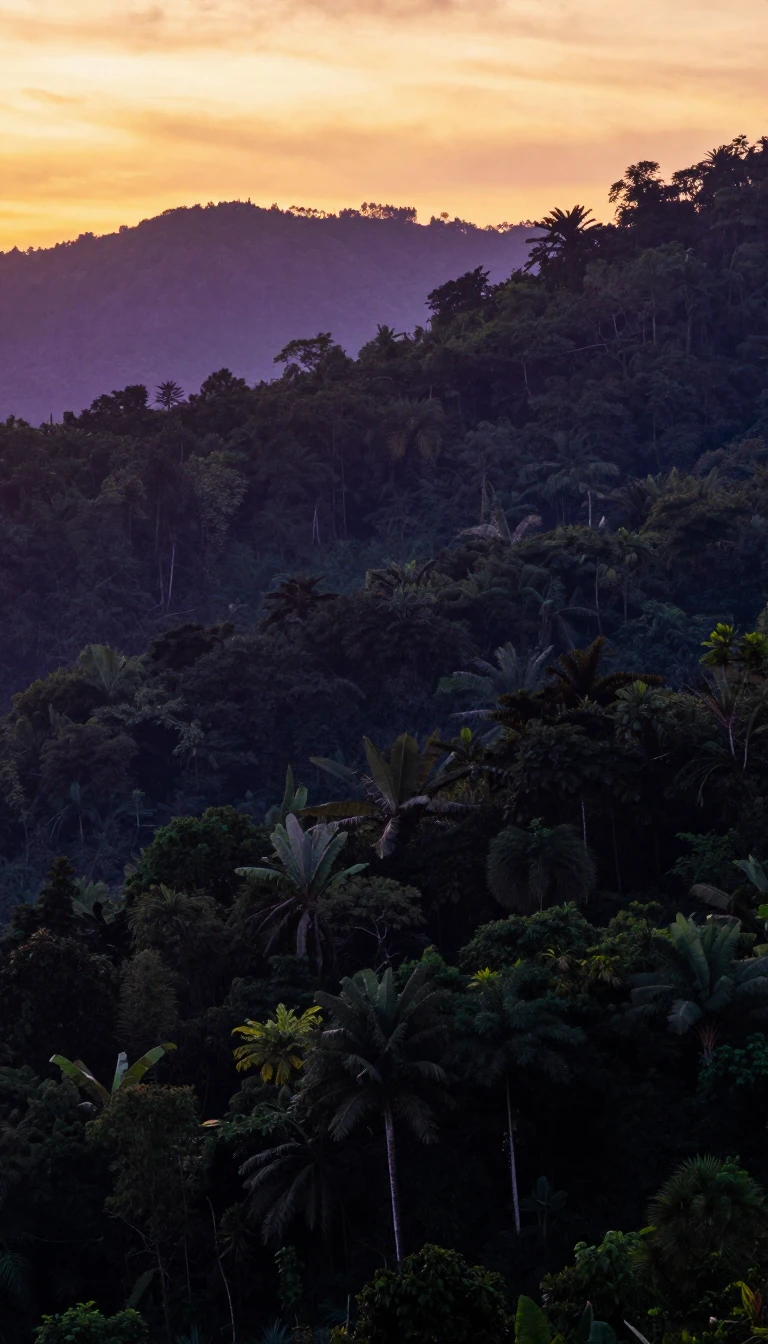
In short: South America sits mostly in the Southern Hemisphere, walled by Pacific and Atlantic waters and the Drake Passage. About 17.8 million square kilometres and more than 434 million people make it fourth in area and fifth in population among continents.
The continent lies entirely in the Western Hemisphere, mostly south of the equator, with a smaller northern slice. Neighbors include the Pacific west, Atlantic north and east, Drake Passage south, and Caribbean/North American approaches northwest. Twelve sovereign states span Argentina through Venezuela; dependencies include the Falklands and South Georgia with the South Sandwich Islands; French Guiana is an internal territory of France. Geologically, ABC islands and Trinidad and Tobago sit on the South American shelf.
Area is about 17,840,000 km²; 2021 population estimates exceed 434 million. Brazil dominates both land and people. Settlement hugs western and eastern coasts; interiors and the far south stay sparse. The Andes rule the west, while eastern highlands and vast river lowlands—including the Amazon basin—shape the rest.
Culture blends Indigenous peoples with European conquerors and immigrants and, locally, African slavery. Colonial history left Portuguese and Spanish as overwhelming majority languages. Human arrival is usually traced through Beringia at least 15,000 years ago, then southward through North America and across the Isthmus of Panama.
Monte Verde II in Chile, dated to perhaps 14,500 years ago, is among the oldest signs of people on the continent, and ancient DNA points to at least three major waves of settlement rather than one. Caral–Supe on the central Peruvian coast raised one of the world's first cities around 3500 BC, roughly when Andean herders began domesticating llamas and alpacas. The Inca, ruling from Cusco between 1438 and 1533, governed some nine to fourteen million people, while the Mapuche of Chile resisted settlers in the Arauco War for over three centuries. In 1494 the Treaty of Tordesillas divided newly found lands between Spain and Portugal along a meridian 370 leagues west of the Cape Verde Islands, handing Spain most of the South American soil west of that line.
Opens the Intellect+ feed with this card first. Swipe up for the next one.
Sources
- Summary by Intellect · source: South America
- Also: Wikidata — South America · CC0
To cite this card, link to https://intellectplus.co.uk/app/places-south-america.
How we source, check and correct cards: Editorial standards.
General information, not professional advice. Spotted an error? Flag the card or see corrections and complaints.
Intellect Plus is a visual educational discovery platform for exploring fascinating facts and ideas. Brain Food, Not Brain Rot. What is Intellect Plus?
Related
More in Basics · More in Countries & Cities · Latest · A–Z · All topics
