Why Southern Europe is defined by three peninsulas and towering mountain barriers
In short: Southern Europe is more than a map location; it is a distinct world shaped by the Mediterranean Sea and guarded by massive mountain ranges. From the Iberian Peninsula to the Balkans, this region shares a unique climate, deep historical roots, and a complex cultural identity that separates it from the north.
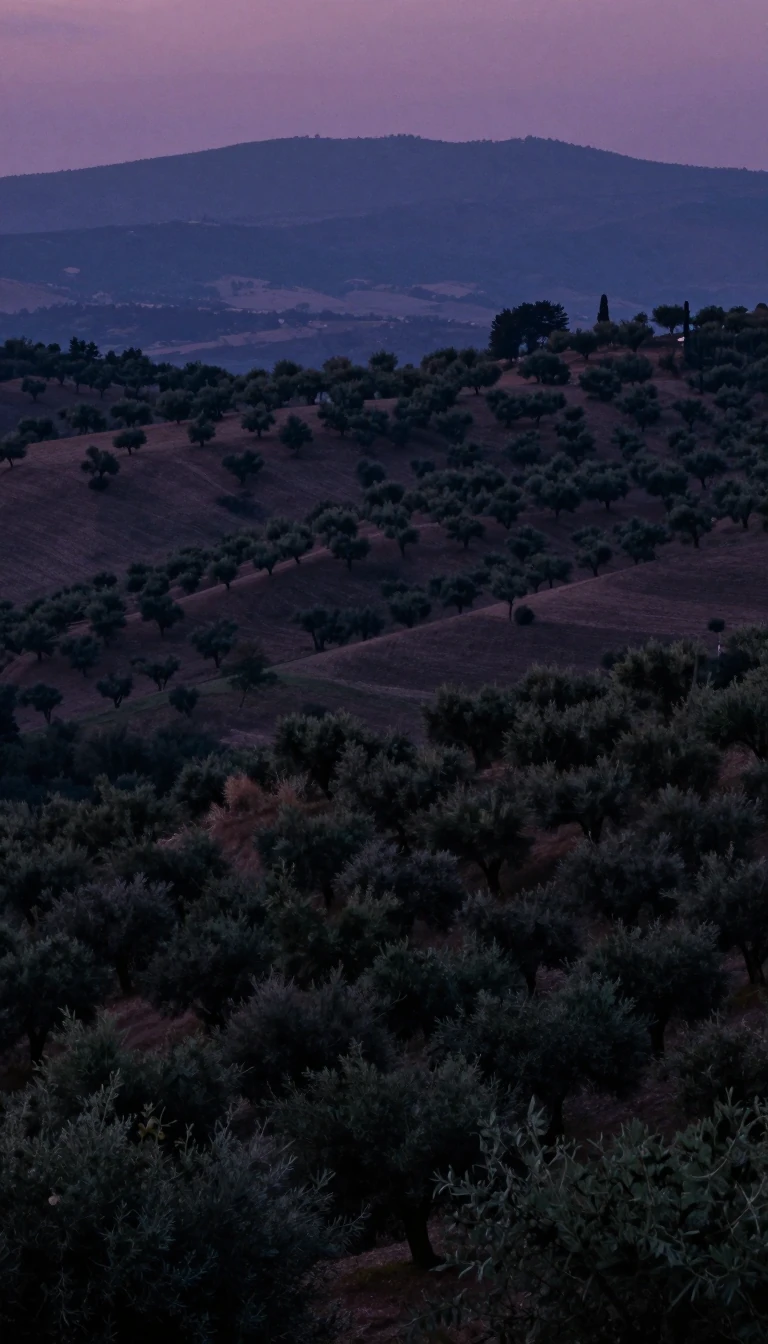
Geographically, Southern Europe centers on three major peninsulas: the Iberian, the Italian, and the Balkan. These landmasses are physically isolated from the rest of the continent by the Pyrenees, the Alps, and the Balkan Mountains. These ranges serve as significant climatic and cultural buffers, protecting the south from icy northern winds while fostering distinct local environments. The region’s climate is largely defined by the Mediterranean, though it is influenced by the Azores High in the Atlantic. While the coastlines feature typical Mediterranean vegetation like olive trees and pine forests, higher elevations and specific coastal areas can experience wetter or even cooler climates.
The region’s history is a tapestry of ancient trade and classical foundations. Phoenician merchants established early networks, followed by the rise of Ancient Greece and the Roman Empire, which integrated the area into a shared framework of law and culture. The Middle Ages brought fragmentation and external invasions, yet the subsequent era of intellectual and maritime expansion—marked by the Renaissance and the Age of Discovery—extended the influence of these nations globally. This period saw the rise of colonial empires and the spread of languages like Spanish and Portuguese to the Americas.
Economic development in the region has historically lagged behind northern Europe, hindered by rugged terrain and political instability. Throughout the 19th and 20th centuries, many southern nations remained agrarian, with industrial growth concentrated in limited urban hubs. However, the post-war era saw significant shifts, including the formation of the European Economic Community and the eventual integration of formerly communist states in the Balkans. Today, Southern Europe remains a diverse collection of nations, united by their Mediterranean heritage and a long, complex history of navigating both physical and political borders.
Opens the Intellect+ feed with this card first. Swipe up for the next one.
Sources
- Summary by Intellect · source: Southern Europe
- Also: Wikidata — Southern Europe · CC0
- Also: www.britannica.com — Europe - Mediterranean, Balkan, Iberian | Britannica
To cite this card, link to https://intellectplus.co.uk/app/places-southern-europe.
How we source, check and correct cards: Editorial standards.
General information, not professional advice. Spotted an error? Flag the card or see corrections and complaints.
Intellect Plus is a visual educational discovery platform for exploring fascinating facts and ideas. Brain Food, Not Brain Rot. What is Intellect Plus?
Related
More in Basics · More in Countries & Cities · Latest · A–Z · All topics
