How a mountainous Italian province became a global model for resolving ethnic tension
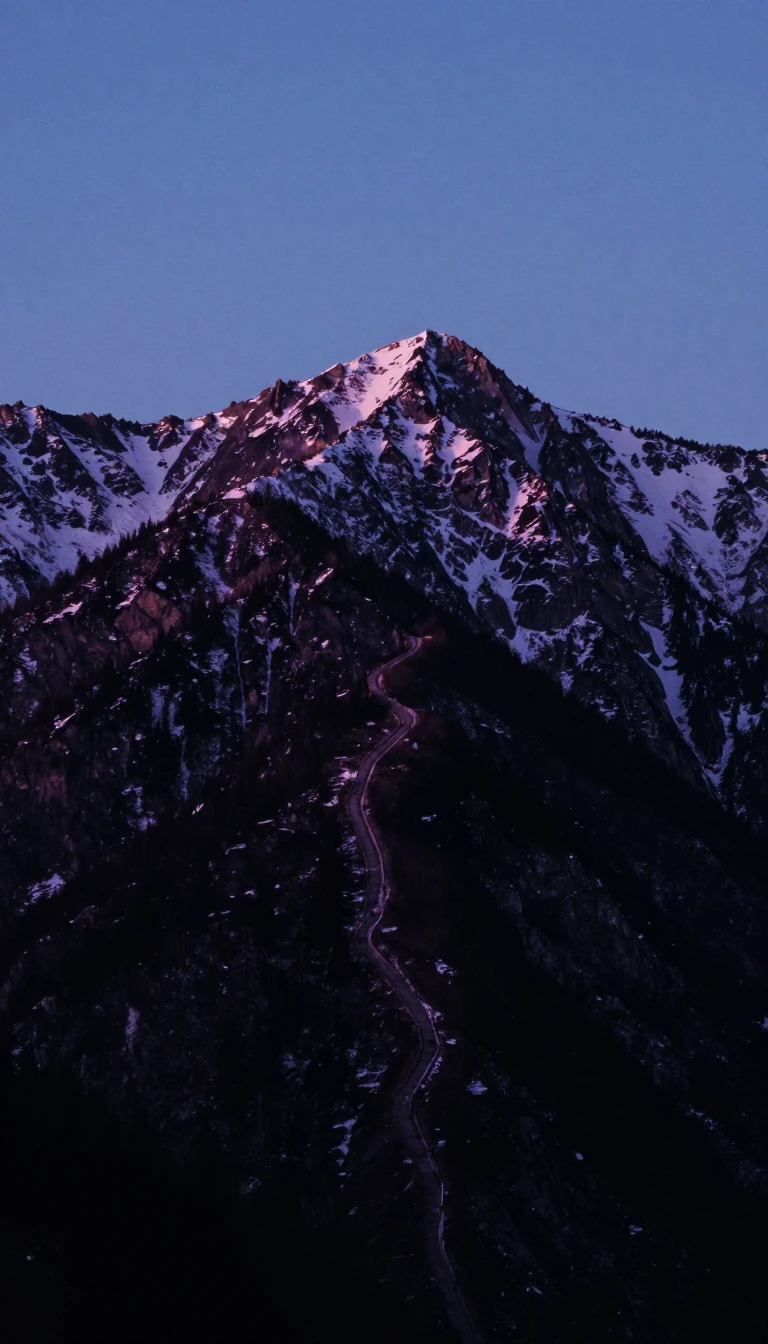
In short: South Tyrol, Italy’s northernmost province, was once a flashpoint of post-war terrorism and bitter linguistic conflict. Today, it stands as a wealthy, autonomous success story. By granting significant self-government and protecting linguistic minorities, this alpine region has transformed from a site of forced assimilation into a blueprint for regional peace.
South Tyrol’s modern identity is rooted in the complex aftermath of the First World War. Once part of the Austro-Hungarian County of Tyrol, the territory was annexed by Italy in 1919. Under the subsequent Fascist regime, the region faced aggressive Italianization: German was banned in public life, and the government actively encouraged immigration from other Italian regions to dilute the local population. The situation worsened during the Second World War when Hitler and Mussolini forced families to choose between their German cultural identity or remaining in Italy, leading to deep social fractures.
Following the war, the Allies mandated that Italy grant the German-speaking population significant autonomy. The 1946 Gruber–De Gasperi Agreement established the autonomous region of Trentino-Alto Adige/Südtirol, but initial implementation was deemed unsatisfactory by Austria and local residents. This friction fueled a violent separatist campaign in the 1960s, involving bombings of infrastructure and fascist monuments. The conflict eventually reached the United Nations, leading to a breakthrough in 1971. A new treaty granted the province greater autonomy, including the right to retain 90% of its tax revenue, and established the International Court of Justice as the arbiter for future disputes.
Today, South Tyrol is Italy’s wealthiest province and boasts the lowest risk of poverty in the European Union. Its institutional framework, which officially recognizes German, Italian, and Ladin, is widely cited as a model for settling interethnic disputes. The province now collaborates with neighboring regions through the Euroregion Tyrol-South Tyrol-Trentino, an association that mirrors the historical boundaries of the County of Tyrol to foster cooperation. This stability has allowed the region to focus on its unique alpine landscape, which includes the UNESCO-recognized Dolomites and the Bletterbach Gorge, while maintaining a high standard of living for its diverse population.
Opens the Intellect+ feed with this card first. Swipe up for the next one.
Sources
- Summary by Intellect · source: South Tyrol
- Also: Wikidata — South Tyrol · CC0
- Also: Wikidata — Cultural heritage monument in South Tyrol · CC0
To cite this card, link to https://intellectplus.co.uk/app/places-south-tyrol.
How we source, check and correct cards: Editorial standards.
General information, not professional advice. Spotted an error? Flag the card or see corrections and complaints.
Intellect Plus is a visual educational discovery platform for exploring fascinating facts and ideas. Brain Food, Not Brain Rot. What is Intellect Plus?
Related
More in Regions and country subdivisions · More in Countries & Cities · Latest · A–Z · All topics
