A mountain borderland where two languages share one autonomous home
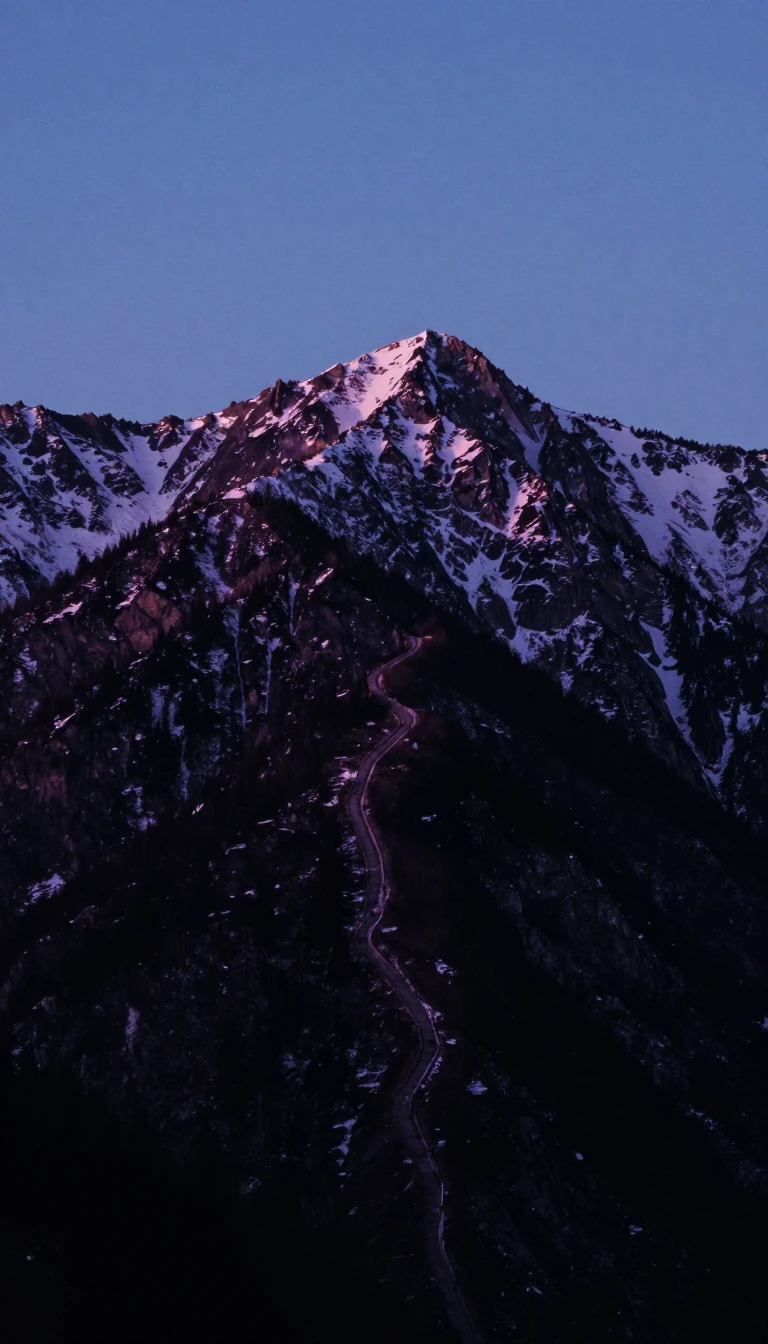
In short: In northern Italy, a rugged alpine landscape serves as the stage for a unique political experiment. Trentino-Alto Adige/Südtirol is an autonomous region defined by its dual identity: a German-speaking north and an Italian-speaking south, governed through a complex system of self-rule designed to balance deep historical divisions.
The region's unique status as an autonomous entity was solidified in the late 20th century. Following its transfer from the Austrian Empire to Italy after World War I in 1919, the area—then known as Venetia Tridentina—eventually gained formal autonomy through a 1948 constitution. This was further refined by statutes in 1972 and constitutional amendments in 2001. Today, legislative and administrative powers are largely devolved to two self-governing provinces: Trento (Trentino) in the south and Bolzano (South Tyrol/Alto Adige) in the north.
This political structure mirrors a profound linguistic and cultural divide. While 62% of the population speaks Italian as their mother tongue, German is the majority language in the northern province of Bolzano-Bozen, where approximately 30% of the total regional population resides. To manage this, the regional parliament alternates its chairmen between Italian and German speakers every two years. The region also preserves smaller minority languages, including Ladin, Mòcheno, and Cimbrian.
The geography is as divided as the culture. Much of the territory sits above 3,000 feet (900 metres), featuring the Dolomites in the east and the Ötztal Alps to the north. While the southern valleys are fertile and densely populated for agriculture—producing corn, wheat, and fruit—the northern plateaus average between 4,300 and 5,600 feet. This diverse terrain supports a mix of intensive cultivation, timber industries, mining for minerals like zinc and copper, and a vital tourism economy.
Historically, the region was a patchwork of ecclesiastical principalities governed by prince-bishops of Trent and Brixen before being contested by the Counts of Tyrol and Venice. After centuries under the Holy Roman Empire and later the Austrian Empire (1815–1919), it remains a vital gateway between Italy, Switzerland, and Austria via major passes like the Brenner and Stelvio.
Opens the Intellect+ feed with this card first. Swipe up for the next one.
Sources
- Summary by Intellect · source: Trentino–Alto Adige/Südtirol | Italy, Map, Region, & Facts | Britannica
- Also: Trentino-Alto Adige/Südtirol
To cite this card, link to https://intellectplus.co.uk/app/places-trentino-alto-adige-s-dtirol.
How we source, check and correct cards: Editorial standards.
General information, not professional advice. Spotted an error? Flag the card or see corrections and complaints.
Intellect Plus is a visual educational discovery platform for exploring fascinating facts and ideas. Brain Food, Not Brain Rot. What is Intellect Plus?
Related
More in Regions and country subdivisions · More in Countries & Cities · Latest · A–Z · All topics
