A Venetian fortress turned leper colony is now one of Greece's most visited sites.
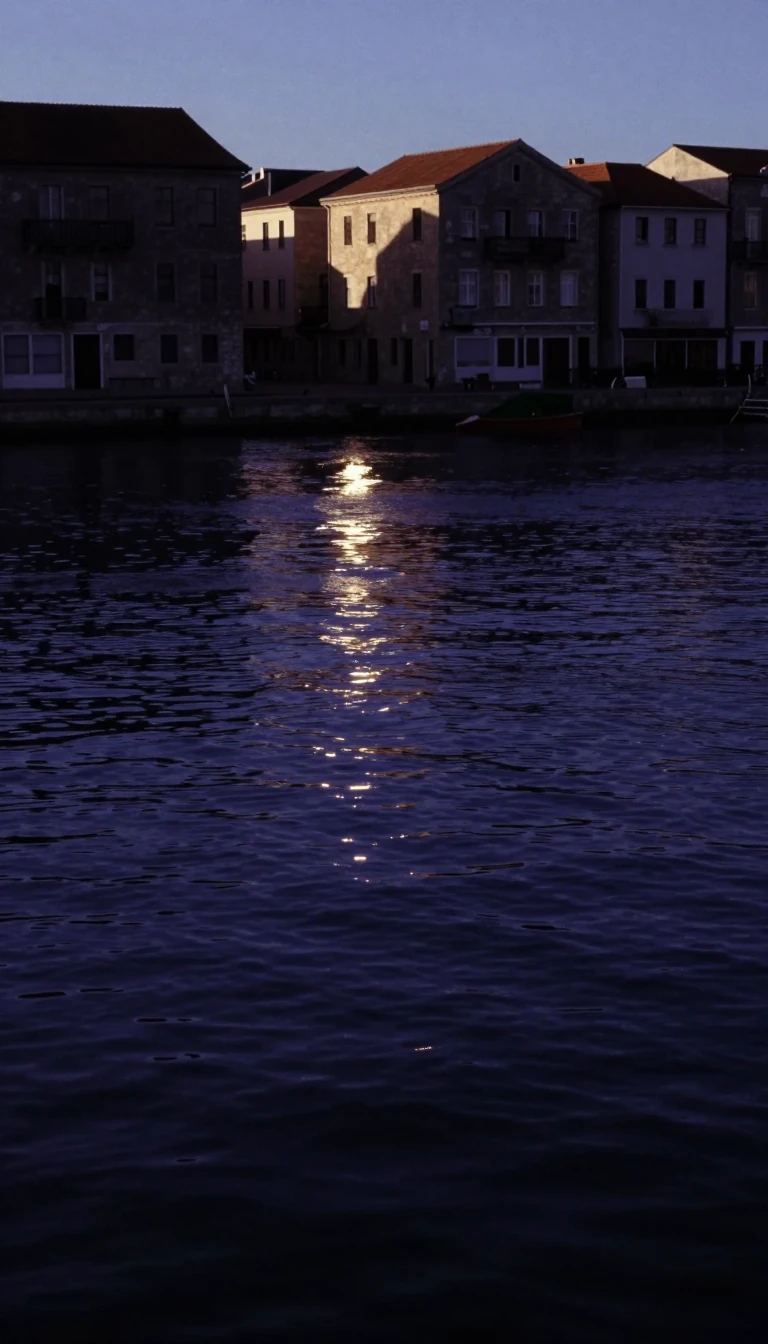
In short: Once a strategic Mediterranean stronghold, Spinalonga evolved into a forced isolation zone for leprosy patients. Abandoned in 1962, the island was long shrouded in silence and myth. Today, it has been transformed into a major tourist destination, drawing hundreds of thousands of visitors annually to its preserved, haunting ruins.
Spinalonga, a small rocky island in the Gulf of Elounda, served as a vital Venetian sea fort starting in the late 16th century. Engineers designed its defenses to counter pirate raids and the expanding Ottoman threat. Even after the Ottomans seized control of the surrounding Cretan territory in the mid-17th century, the fortress remained a Venetian outpost, eventually becoming a refuge for those fleeing persecution. By 1830, a growing Muslim population resided there, though most departed following the Ottoman defeat in 1898.
In 1904, the Cretan state repurposed the island as a mandatory leper colony. For decades, residents lived in squalor, isolated from the mainland and stigmatized by society. Conditions began to shift in the 1930s when Epaminodas Remoundakis founded the Brotherhood of the Sick, an organization that improved hygiene, fostered community, and lobbied for better living standards. Despite these efforts, the colony remained a place of profound hardship, exacerbated by malnutrition during the Axis occupation of World War II.
The colony's closure in 1957 followed the introduction of modern medical treatments and the controversial release of the documentary The Island of Silence. After the final resident, a priest named Chrysathos Katsouloyiannakis, departed in 1962, the island sat empty and vulnerable to looting. While the Greek government initially sought to erase the site's history, the success of Victoria Hislop’s 2005 novel, The Island, sparked a surge in tourism. This cultural shift prompted extensive restoration efforts, transforming the former site of suffering into a protected archaeological landmark.
Today, the island stands as a testament to both military history and human resilience. While leprosy was historically devastating, medical advancements have rendered isolation unnecessary for decades. Spinalonga’s evolution from a fortress to a place of exile, and finally to a site of heritage, mirrors the changing ways societies confront their own difficult histories.
Opens the Intellect+ feed with this card first. Swipe up for the next one.
Sources
- Summary by Intellect · source: Spinalonga
- Also: Wikidata — Spinalonga · CC0
To cite this card, link to https://intellectplus.co.uk/app/places-spinalonga.
How we source, check and correct cards: Editorial standards.
General information, not professional advice. Spotted an error? Flag the card or see corrections and complaints.
Intellect Plus is a visual educational discovery platform for exploring fascinating facts and ideas. Brain Food, Not Brain Rot. What is Intellect Plus?
Related
More in Islands · More in Countries & Cities · Latest · A–Z · All topics
