Two nations claim this frozen archipelago, yet neither holds permanent human inhabitants today.
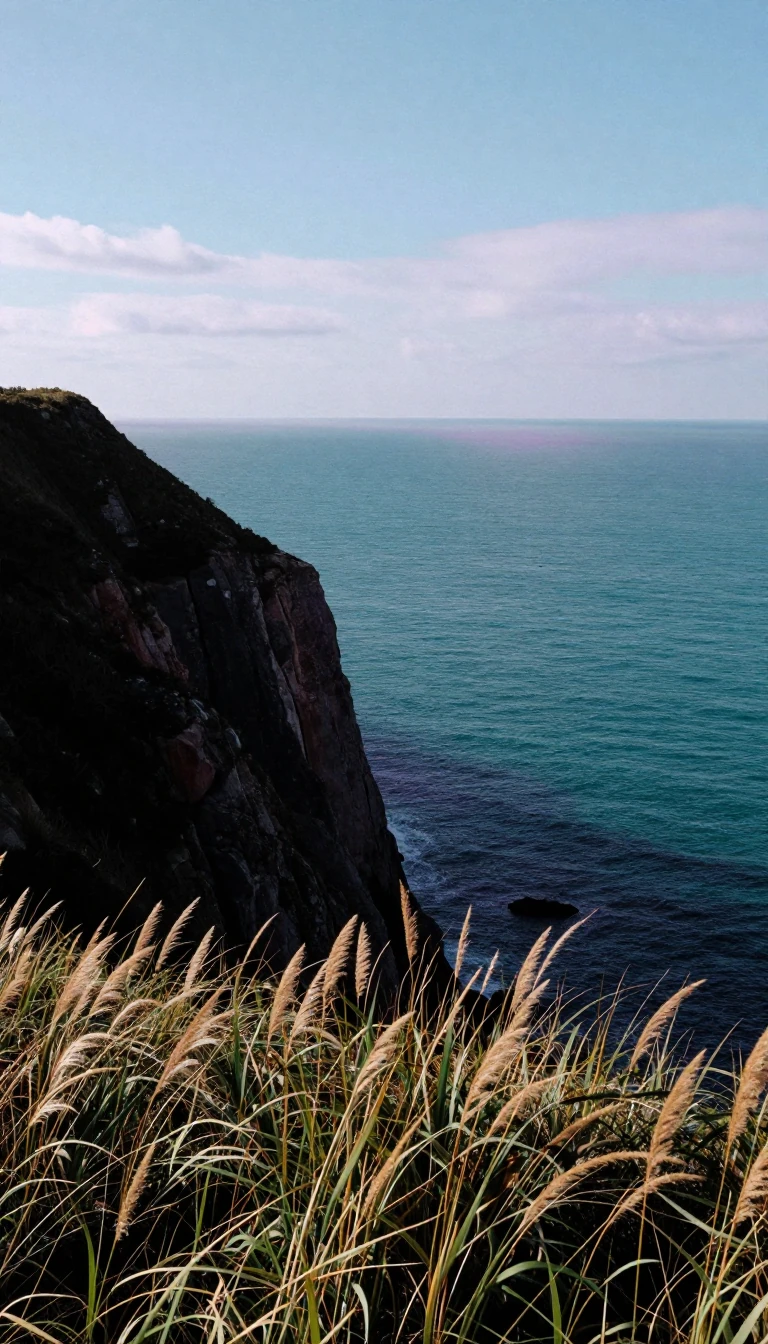
In short: Located in the Southern Ocean, the South Orkney Islands are a desolate, glaciated group of islands claimed by both Britain and Argentina. While research stations have operated there for over a century, the harsh climate ensures that only rotating scientists call these remote, windswept shores home for part of the year.
Discovered in 1821 by sealers Nathaniel Brown Palmer and George Powell, the South Orkney Islands were initially named Powell's Group. The archipelago received its current name in 1823 from James Weddell, who drew a parallel to the Orkney Islands in Scotland. Despite their remote location—roughly 604 km from the Antarctic Peninsula—the islands have become a focal point for territorial disputes. Britain has included them in the British Antarctic Territory since 1962, while Argentina has maintained a claim since 1925. Under the 1959 Antarctic Treaty, these competing sovereignty claims are currently held in abeyance.
The islands are home to two research stations that serve as the only human presence. The Argentine Orcadas Base, established on Laurie Island in 1904, holds the distinction of being the oldest continuously staffed research station in the Antarctic. The British Antarctic Survey operates the Signy Research Station on Signy Island, which has been active since 1947. While Orcadas remains staffed year-round, Signy has shifted to seasonal operations, opening only from November to April. These stations facilitate scientific study in an environment where 90 percent of the 620 square kilometre landmass is covered in ice.
The ecology of the South Orkneys is defined by its extreme conditions. The islands fall within a tundra ecoregion, supporting mosses, lichens, and algae, while the surrounding waters host penguins and seals. However, human activity has left an unexpected mark. In the 1960s, a flightless midge, Eretmoptera murphyi, was accidentally introduced to Signy Island during a botany experiment. The insect has since spread rapidly, with populations reaching 20,000 individuals per square metre in some areas, fundamentally altering the local soil ecosystem. This invasion highlights the fragility of the islands' isolated biological systems, which remain vulnerable to external disruption despite their distance from major human population centres.
Opens the Intellect+ feed with this card first. Swipe up for the next one.
Sources
- Summary by Intellect · source: South Orkney Islands
- Also: Wikidata — South Orkney Islands · CC0
- Also: Wikidata — South Orkney Islands marine ecoregion · CC0
To cite this card, link to https://intellectplus.co.uk/app/places-south-orkney-islands.
How we source, check and correct cards: Editorial standards.
General information, not professional advice. Spotted an error? Flag the card or see corrections and complaints.
Intellect Plus is a visual educational discovery platform for exploring fascinating facts and ideas. Brain Food, Not Brain Rot. What is Intellect Plus?
Related
More in Islands · More in Countries & Cities · Latest · A–Z · All topics
