Spitsbergen: The Arctic Island Built on Whaling, Coal, and a Global Seed Vault
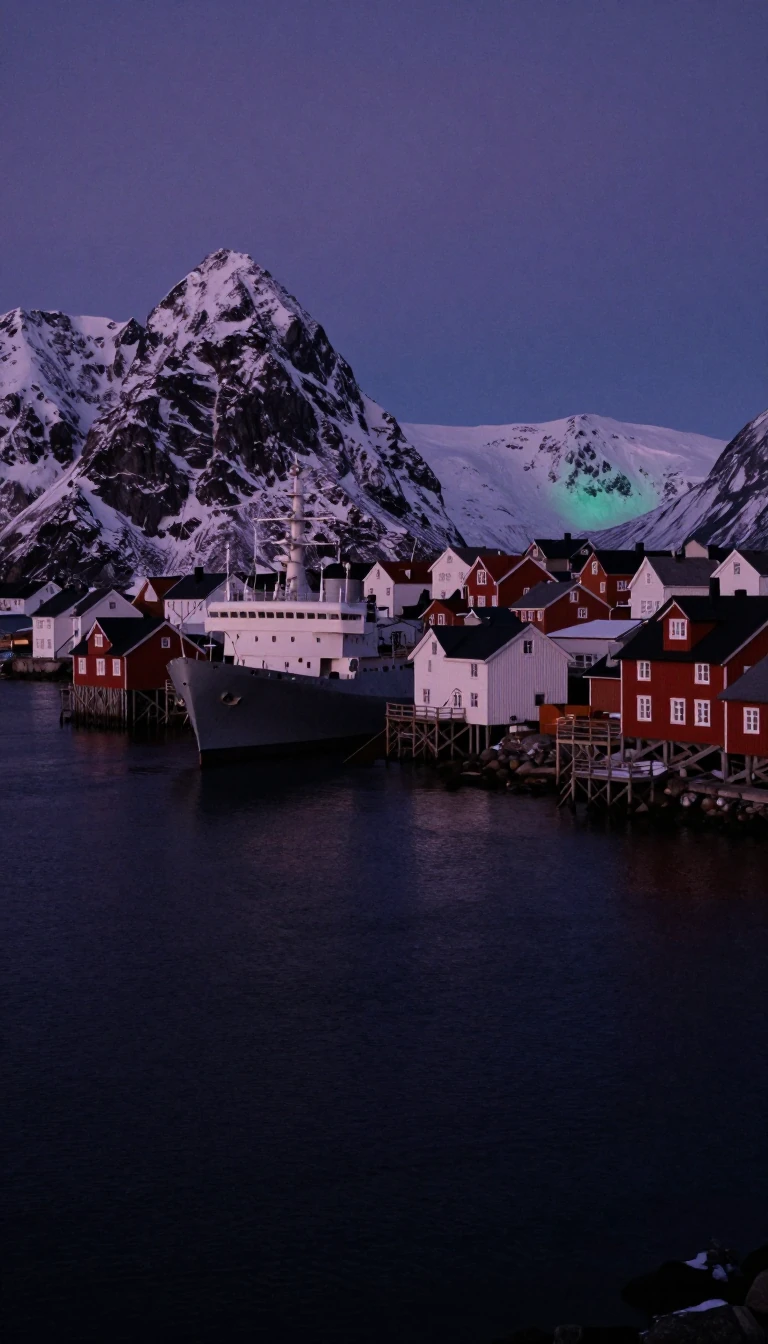
In short: Spitsbergen is the largest island in the Svalbard archipelago, a rugged Norwegian territory deep inside the Arctic Circle. Once a contested hub for 17th-century whalers and 20th-century coal miners, this icy landscape now serves as a critical vault for the world's food security against potential global catastrophe.
Spitsbergen, covering 15,075 square miles, is the primary island of the Svalbard archipelago. While Icelandic annals suggest a discovery in 1194, the modern world only encountered the islands in June 1596, when Dutch explorers Willem Barents and Jacob van Heemskerck arrived. By 1611, the region became a magnet for international whalers, leading to decades of territorial disputes between Dutch, English, French, Hanseatic, Danish, and Norwegian interests. As whaling declined by 1800, the focus shifted to coal, with mineral rights eventually claimed by various nations at the start of the 20th century.
The islands' sovereignty was formally resolved on February 9, 1920, via a treaty that granted possession to Norway while ensuring equal mineral rights for signatory nations. Today, only Russia and Norway maintain active coal extraction operations. The landscape is defined by its extreme Arctic climate, where temperatures can plummet to −40 °F in winter. Nearly 60 percent of the land is covered by glaciers and snowfields, though a branch of the North Atlantic Drift moderates the climate, allowing seasonal maritime access to the western coasts.
In the modern era, Spitsbergen has transformed into a global center for scientific research and preservation. The Svalbard Science Centre, established in 2006, hosts the University Centre in Svalbard and the Norwegian Polar Institute. Most notably, the Global Seed Vault was completed in early 2008. Built deep inside a mountain, this facility is designed to safeguard the future of agriculture by housing up to 4.5 million seed samples, protecting them from threats ranging from natural disasters to nuclear war.
Despite its lack of indigenous inhabitants, the island supports a seasonal population of about 3,000 people, centered in Longyearbyen. While the environment is fragile and largely untouched, it remains a vital breeding ground for Arctic wildlife, including polar bears, reindeer, and foxes. The island’s unique status as a demilitarized economic zone continues to facilitate international cooperation in both scientific exploration and environmental protection.
Opens the Intellect+ feed with this card first. Swipe up for the next one.
Sources
- Summary by Intellect · source: Spitsbergen | Definition, Location, Facts, & Map | Britannica
- Also: Spitsbergen
To cite this card, link to https://intellectplus.co.uk/app/places-spitsbergen.
How we source, check and correct cards: Editorial standards.
General information, not professional advice. Spotted an error? Flag the card or see corrections and complaints.
Intellect Plus is a visual educational discovery platform for exploring fascinating facts and ideas. Brain Food, Not Brain Rot. What is Intellect Plus?
Related
More in Islands · More in Countries & Cities · Latest · A–Z · All topics
