Staffordshire is a land of high peaks, ancient gold, and industrial transformation
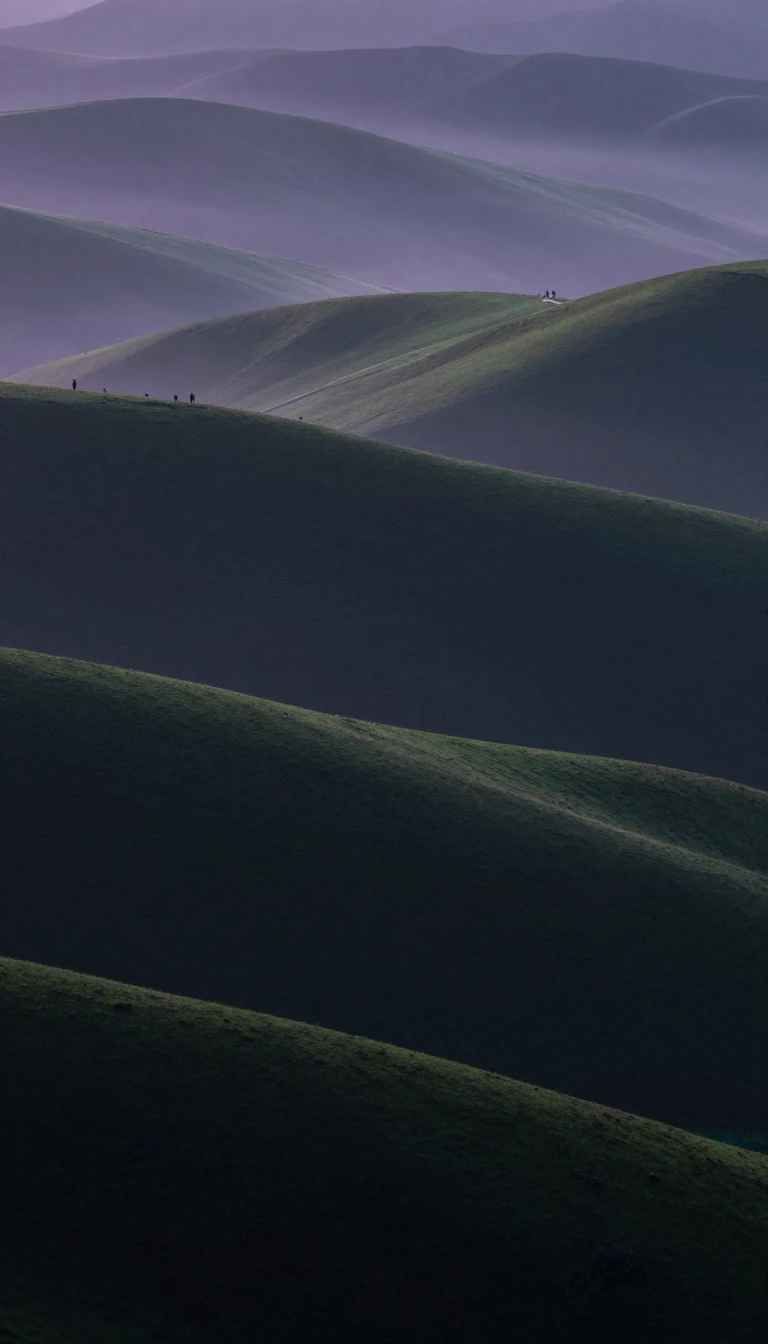
In short: Beyond its reputation for pottery and brewing, this English county holds Britain's highest village and the largest Anglo-Saxon gold hoard ever discovered. From the industrial heart of the Black Country to the quiet hills of the Peak District, Staffordshire remains a region defined by its complex history and evolving administrative borders.
Located in the West Midlands, Staffordshire covers 1,713 square kilometres and is home to over 1.1 million people. Its geography is defined by the Pennines and the Peak District National Park in the north, while the River Trent serves as the primary drainage system. The county’s history stretches back to the tenth century when it emerged as a central territory of Mercia. Centuries later, the Industrial Revolution fundamentally reshaped the landscape, as coalfields fueled iron and automotive production, cementing the region's status as an industrial powerhouse.
The county is famous for its cultural and historical treasures. In 2009, a field near Lichfield yielded the Staffordshire Hoard, a massive collection of Anglo-Saxon gold dating to the seventh or eighth centuries. Beyond archaeology, the county claims the highest village in Britain, Flash, which sits at 1,519 feet above sea level. This status was officially confirmed in 2007 by the Ordnance Survey after a public dispute with a Scottish rival. Staffordshire also maintains a strong sporting heritage, particularly in football, with clubs like Stoke City—a founder of the Football League in 1888—and Burton Albion.
Administrative boundaries in Staffordshire have been in constant flux. Historically divided into five hundreds, the county saw significant reorganisation in the twentieth century, including the 1974 creation of the West Midlands metropolitan county and the 1997 establishment of Stoke-on-Trent as a unitary authority. Looking ahead, the UK government has announced plans to restructure the region into two new unitary authorities by April 2028. This ongoing evolution reflects the county's persistent need to adapt its governance to the changing economic and social realities of its diverse districts.
Opens the Intellect+ feed with this card first. Swipe up for the next one.
Sources
- Summary by Intellect · source: Staffordshire
- Also: Wikidata — Staffordshire · CC0
- Also: Wikidata — Staffordshire · CC0
To cite this card, link to https://intellectplus.co.uk/app/places-staffordshire.
How we source, check and correct cards: Editorial standards.
General information, not professional advice. Spotted an error? Flag the card or see corrections and complaints.
Intellect Plus is a visual educational discovery platform for exploring fascinating facts and ideas. Brain Food, Not Brain Rot. What is Intellect Plus?
Related
More in Regions and country subdivisions · More in Countries & Cities · Latest · A–Z · All topics
