How a 2002 space opera pioneered the digital filmmaking revolution that changed Hollywood forever
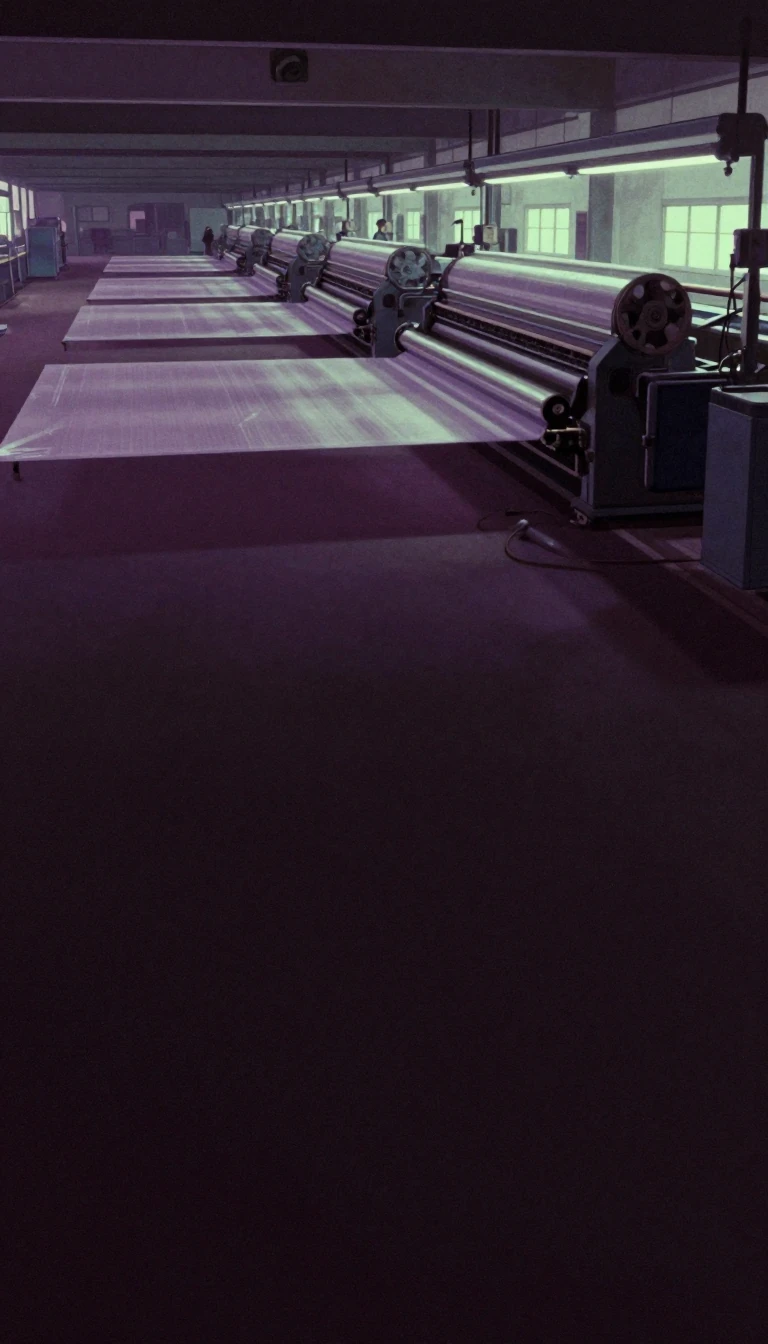
In short: Star Wars: Episode II – Attack of the Clones was the first major motion picture shot entirely on high-definition digital cameras. This technological leap forced a massive shift in how movies are made, from previsualization to digital doubles, forever altering the landscape of modern cinema and the way stories are captured.
Released in 2002, Attack of the Clones marked a pivotal moment in film history by embracing a fully digital workflow. Director George Lucas, having been unable to secure the necessary technology for the previous installment, utilized the Sony HDW-F900 camera to record the entire film in a 24-frame digital system. This transition sparked intense debate within the industry, as many filmmakers resisted the move away from traditional film grain, which had previously provided a level of detail and realism that early digital cameras struggled to replicate.
The production relied on what producer Rick McCallum termed virtual filmmaking. Because shots were created across various departments and locations—ranging from Sydney's Fox Studios to Tunisia, Italy, and Spain—the team utilized digital animatics to previsualize complex sequences. This process replaced traditional storyboards, allowing the crew to refine pacing and action before filming began. The Battle of Geonosis, for instance, was constructed through these digital animatics, with the department given significant creative freedom to design the sequence's events.
Beyond the cameras, the film pushed the boundaries of computer-generated imagery by introducing digital doubles and a fully CGI version of Yoda. To ensure continuity, the animation team studied the original puppet, with Frank Oz advising that the character should appear aged and sore. The film also featured a dystopian Coruscant inspired by Blade Runner and political themes comparing Palpatine’s rise to power to historical figures like Napoleon Bonaparte and Adolf Hitler. Despite mixed critical reviews, the film grossed $653.8 million worldwide, cementing its legacy as a technical milestone.
The film's influence extended to its documentary-style camera work, which incorporated hand-held shakes into CGI sequences to mimic war journalism. While the transition to digital projectors in theaters remained slow at the time, the film’s reliance on digital animatics and high-definition capture paved the way for the modern digital age of Hollywood, proving that a blockbuster could be built entirely within a virtual environment.
Opens the Intellect+ feed with this card first. Swipe up for the next one.
Sources
- Summary by Intellect · source: Star Wars: Episode II – Attack of the Clones
To cite this card, link to https://intellectplus.co.uk/app/places-star-wars-episode-ii-attack-of-the-clones.
How we source, check and correct cards: Editorial standards.
General information, not professional advice. Spotted an error? Flag the card or see corrections and complaints.
Intellect Plus is a visual educational discovery platform for exploring fascinating facts and ideas. Brain Food, Not Brain Rot. What is Intellect Plus?
Related
More in Cities · More in Countries & Cities · Latest · A–Z · All topics
