How a shallow ancient sea transformed into a towering labyrinth of stone
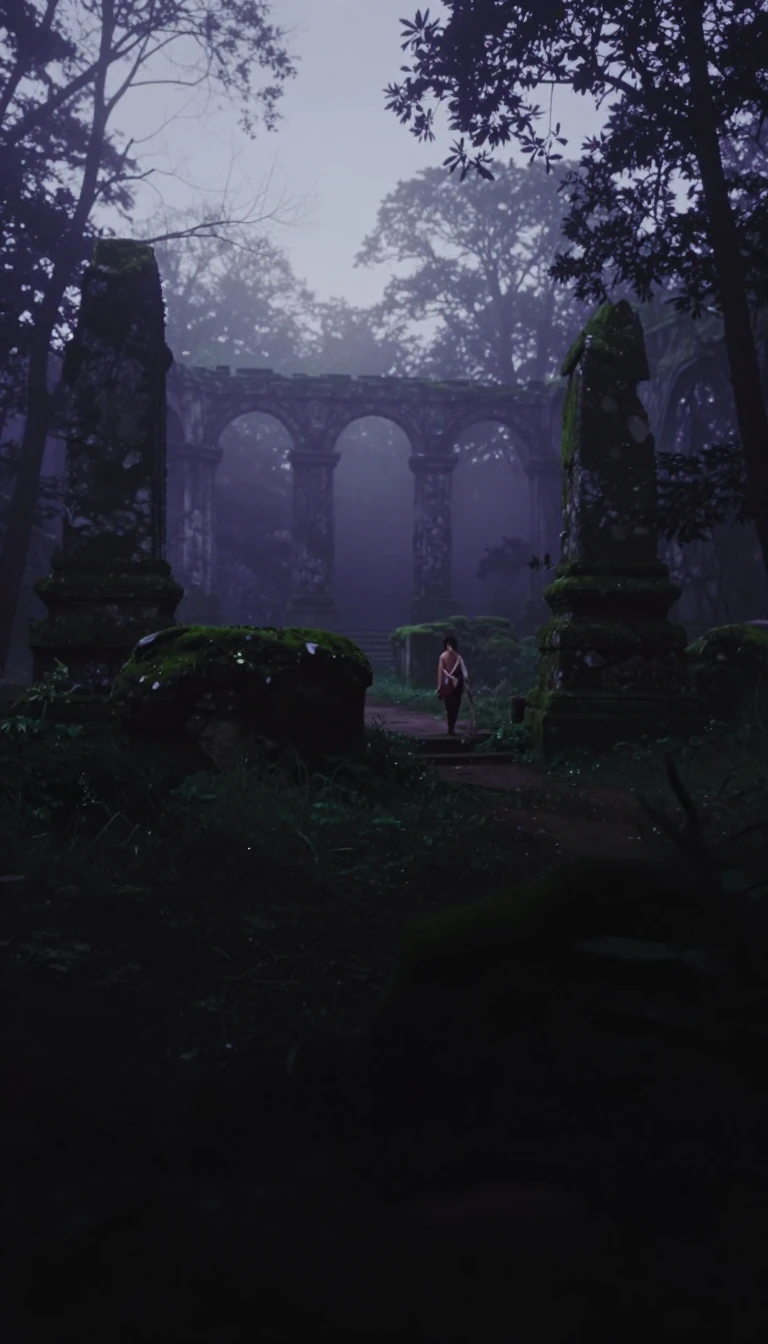
In short: In Yunnan, China, thousands of limestone pillars rise from the earth like petrified trees. This surreal landscape, known as the Stone Forest, was carved over 270 million years. Once a submerged basin, the region underwent geological upheaval and relentless erosion to create one of the world's most striking karst topographies.
The Stone Forest, or Shilin, spans approximately 500 square kilometers in Yunnan Province. Its dramatic appearance is the result of a long geological history that began during the Permian period. At that time, the area was a shallow sea where thick layers of limestone and sandstone accumulated. Following tectonic uplift, the region was exposed to the elements, allowing wind and water to dissolve the rock, carving the massive pillars seen today.
The formation process was heavily influenced by the underlying geology. The pillars are primarily composed of pure limestone from the Maokou Formation, while the Naigu Stone Forest section features dolomite and dolomitic limestone from the Qixia Formation. These rock layers are fractured by conjugate shear joints, which acted as conduits for water, dictating the orientation and size of the resulting karst structures. Beneath these carbonate layers, the Liangshan Formation acts as a permeability barrier, forcing groundwater to flow laterally.
Beyond its geological significance, the site is deeply woven into local culture. It is considered the legendary birthplace of Ashima, a figure from the Yi people, who is said to have turned into stone after being forbidden from marrying her suitor. This cultural heritage is celebrated annually during the Torch Festival, which features traditional wrestling and dance. Today, the site is recognized as a UNESCO World Heritage site and a AAAAA-class tourist destination, drawing visitors to witness these ancient, weathered formations.
The area also supports diverse plant life, ranging from evergreen broad-leaved forests to subtropical needle-leaved species. The complex interplay between the region's unique geological history—characterized by its ancient marine origins and subsequent erosion—and its rich biological and cultural tapestry makes it a site of immense scientific and historical interest.
Opens the Intellect+ feed with this card first. Swipe up for the next one.
Sources
- Summary by Intellect · source: Stone Forest
- Also: Wikidata — Stone Forest · CC0
- Also: Wikidata — Stone Forest · CC0
To cite this card, link to https://intellectplus.co.uk/app/places-stone-forest.
How we source, check and correct cards: Editorial standards.
General information, not professional advice. Spotted an error? Flag the card or see corrections and complaints.
Intellect Plus is a visual educational discovery platform for exploring fascinating facts and ideas. Brain Food, Not Brain Rot. What is Intellect Plus?
Related
More in Land relief · More in Countries & Cities · Latest · A–Z · All topics
