The Taurus Mountains: A tectonic barrier that shaped ancient empires and modern geography
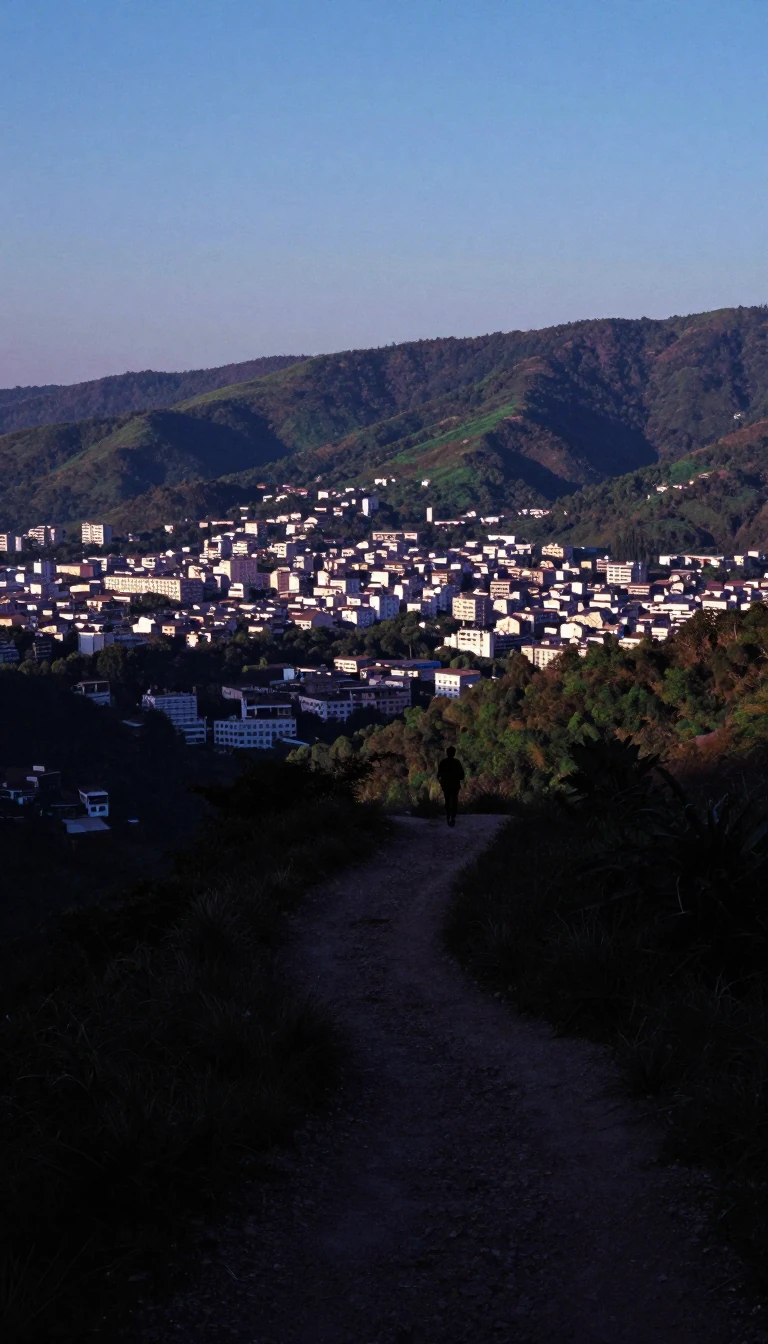
In short: Spanning southern Turkey, the Taurus Mountains act as a massive natural wall between the Mediterranean coast and the Anatolian Plateau. Formed by the grinding together of tectonic plates, this rugged complex has served as a strategic gateway for armies, a cradle for ancient storm-god worship, and a vital watershed.
The Taurus range is a key component of the Alpide belt, created by the intense pressure where the African and Eurasian plates converge. This geological upheaval has left a landscape dominated by limestone, which has been sculpted over eons into dramatic karstic formations. These include vast underground river systems, towering waterfalls, and some of the most expansive cave networks found anywhere in Asia.
Beyond its physical grandeur, the range has long dictated the flow of history. The Cilician Gates, a historic pass through the mountains, served as a crucial corridor for trade and military movement for millennia. It was here, in the coastal foothills, that Alexander the Great secured a pivotal victory over Darius III at the Battle of Issus in 333 BC. The strategic value of these mountain passes remained high well into the 20th century, becoming a primary objective for Allied forces during World War I due to the vital railway infrastructure built through the terrain.
The name itself reflects the region's deep cultural history. Derived from the Old Aramaic word for mountain, it was later adopted by the Greeks. The range was frequently associated with ancient storm deities, such as the Hurrian storm-gods. Ancient cultures believed these deities triggered the violent thunderstorms common to the peaks, which in turn caused the Tigris and Euphrates rivers to flood, providing the essential silt and water needed to sustain Mesopotamian agriculture.
Today, the mountains support a diverse ecology ranging from Mediterranean maquis shrubland at lower altitudes to forests of Lebanon cedar and Taurus fir higher up. The region is also a hub for modern activity, featuring ski resorts and engineering feats like the Varda Viaduct, a German-built railway bridge from the 1910s. Whether viewed as a geological marvel or a historical crossroads, the Taurus range remains a defining feature of the Eurasian landscape.
Opens the Intellect+ feed with this card first. Swipe up for the next one.
Sources
- Summary by Intellect · source: Taurus Mountains
- Also: Wikidata — Taurus mountains · CC0
To cite this card, link to https://intellectplus.co.uk/app/places-taurus-mountains.
How we source, check and correct cards: Editorial standards.
General information, not professional advice. Spotted an error? Flag the card or see corrections and complaints.
Intellect Plus is a visual educational discovery platform for exploring fascinating facts and ideas. Brain Food, Not Brain Rot. What is Intellect Plus?
Related
More in Land relief · More in Countries & Cities · Latest · A–Z · All topics
