The Strand: How a muddy riverbank became the beating heart of London's cultural life
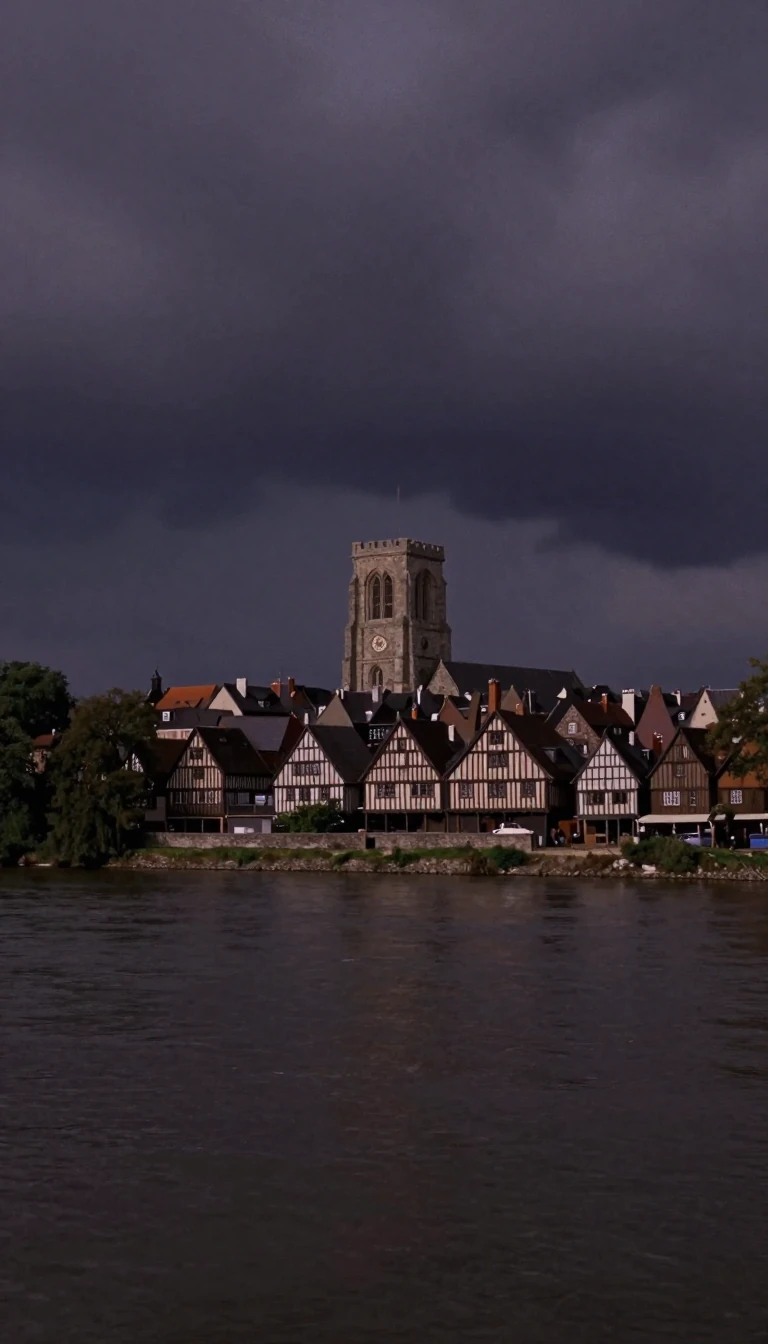
In short: Once a marshy edge of the Thames, the Strand evolved from a medieval path connecting royal palaces into a vibrant hub of theatre, literature, and commerce. From the grand mansions of the aristocracy to the bustling music halls of the 19th century, this street has defined the character of central London.
The name Strand derives from the Old English word for a riverbank, reflecting its history as a path running alongside the Thames. Between the 12th and 17th centuries, the street was lined with the grand mansions of bishops and courtiers, who maintained private river gates for direct boat access. By the 18th century, however, the aristocracy had largely migrated to the West End, and the area transformed into a center for coffee houses, taverns, and the burgeoning book trade.
The 19th century brought radical changes to the street's geography and culture. The construction of the Victoria Embankment between 1865 and 1870 reclaimed 37 acres of land, permanently separating the Strand from the river it was named after. Simultaneously, the street became a premier destination for entertainment, hosting more theaters than any other in London. It also served as a magnet for intellectuals and writers, including Charles Dickens, Virginia Woolf, and Ralph Waldo Emerson, who lived or worked in the vicinity.
Today, the Strand remains a vital artery linking the City of Westminster with the City of London. While many of its historic palaces, such as the Savoy Palace and Essex House, have long been demolished, the street retains its architectural significance through landmarks like the Royal Courts of Justice and the two Baroque churches, St Mary le Strand and St Clement Danes. Modern developments, including the 2021–2022 pedestrianization scheme, continue to reshape this historic thoroughfare, ensuring its enduring role in the life of the capital.
Opens the Intellect+ feed with this card first. Swipe up for the next one.
Sources
- Summary by Intellect · source: Strand, London
- Also: Wikidata — Strand · CC0
To cite this card, link to https://intellectplus.co.uk/app/places-strand-london.
How we source, check and correct cards: Editorial standards.
General information, not professional advice. Spotted an error? Flag the card or see corrections and complaints.
Intellect Plus is a visual educational discovery platform for exploring fascinating facts and ideas. Brain Food, Not Brain Rot. What is Intellect Plus?
Related
More in Famous landmarks · More in Countries & Cities · Latest · A–Z · All topics
