How a napkin sketch and a flying saucer became a Seattle icon
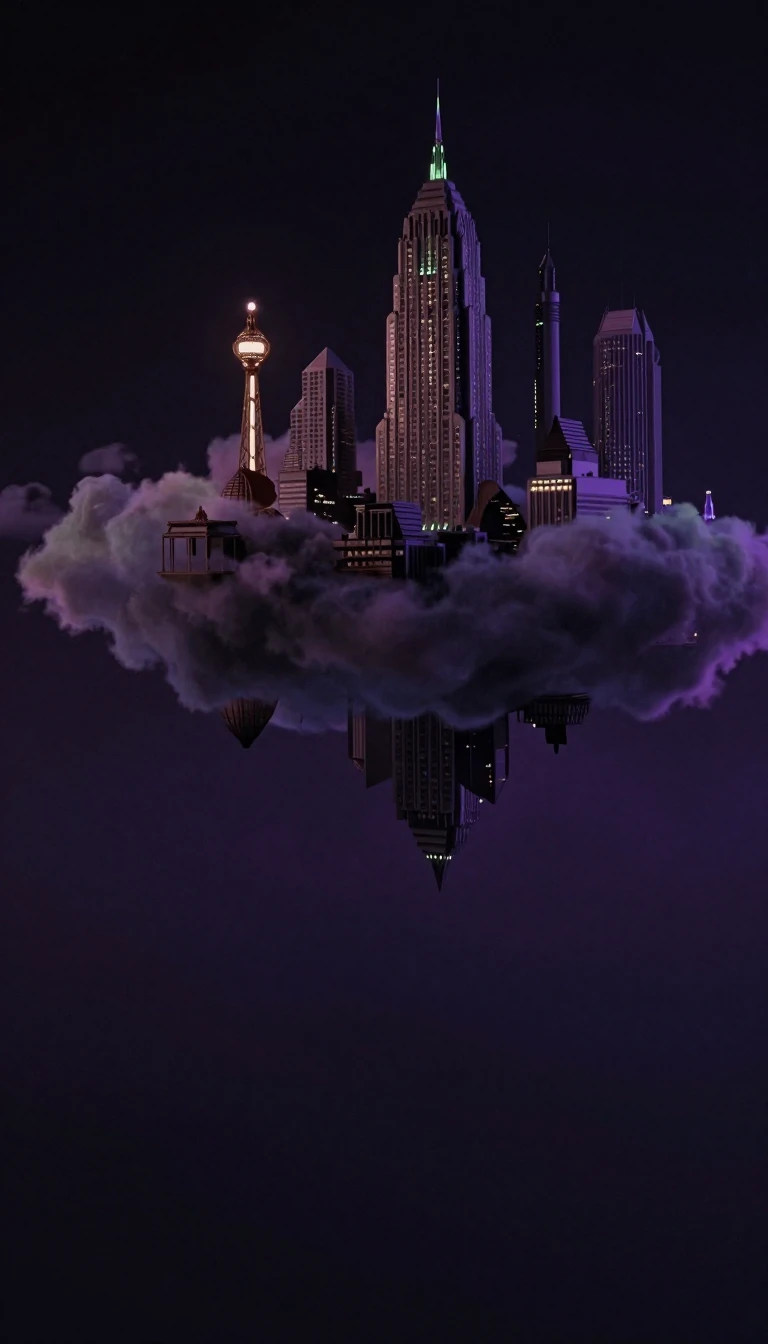
In short: The Space Needle wasn't born from a single blueprint, but from a collision of ideas. What began as a businessman's sketch of a tethered balloon and an architect's vision of a flying saucer eventually merged into the 605-foot landmark that defined the 196 62 World's Fair.
The tower's unique silhouette is the result of a creative compromise between Edward E. Carlson and architect John Graham, Jr. While Carlson’s initial idea featured a giant balloon tethered to the ground, Graham contributed the concept of a flying saucer to house the observation deck and restaurant. The final hourglass profile and tripod design were further refined by Victor Steinbrueck, who modeled the structure after the isthmus upon which Seattle sits.
Engineering for extreme resilience was a primary concern during its construction. Built by the Pentagram Corporation, the tower was designed to withstand winds of up to 200 mph—double the 1962 building code requirements—and earthquakes as powerful as a 9.0 magnitude. This structural integrity was tested in 2001 when a 6.8 magnitude earthquake caused water to slosh out of the building's toilets, yet the tower remained undamaged. The structure is even built to withstand forces comparable to the historic 1700 Cascadia earthquake.
Beyond its physical strength, the Needle has undergone significant transformations. The original revolving restaurant, once known as the Eye of the Needle, was replaced by SkyCity, which later closed in 2017. More recently, the 'Century Project'—a $100 million renovation led by Olson Kundig Architects—introduced the Loupe, an observation deck featuring a revolving glass floor. This massive undertaking, funded by the Wright family, aimed to modernize the tower while honoring its 1962 aesthetic, ensuring the landmark remains a functional piece of Seattle's skyline.
Opens the Intellect+ feed with this card first. Swipe up for the next one.
Sources
- Summary by Intellect · source: Space Needle
- Also: Wikidata — Space Needle · CC0
- Also: Wikidata — Space Needle · CC0
To cite this card, link to https://intellectplus.co.uk/app/places-space-needle.
How we source, check and correct cards: Editorial standards.
General information, not professional advice. Spotted an error? Flag the card or see corrections and complaints.
Intellect Plus is a visual educational discovery platform for exploring fascinating facts and ideas. Brain Food, Not Brain Rot. What is Intellect Plus?
Related
More in Famous landmarks · More in Countries & Cities · Latest · A–Z · All topics
