The subarctic climate is a land of extremes, defined by long winters and permafrost.
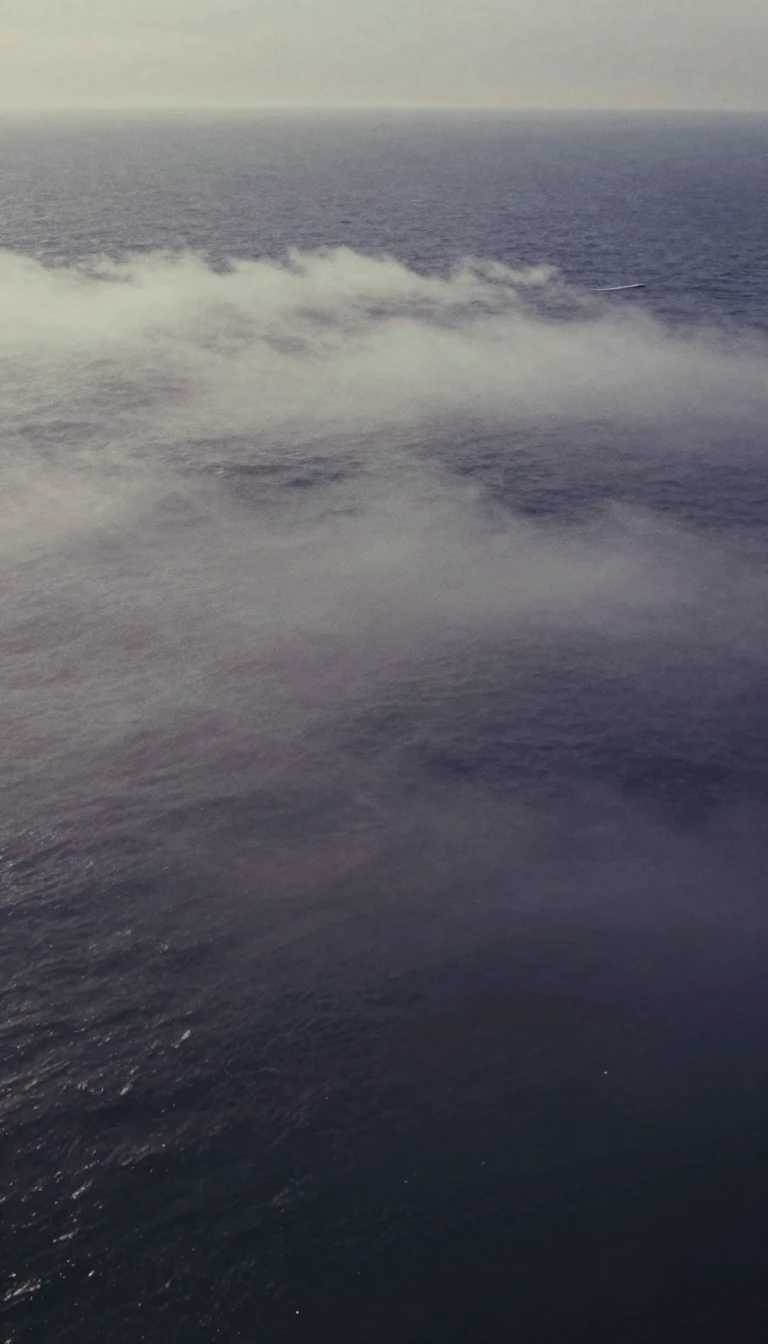
In short: Spanning latitudes from 50°N to 70°N, the subarctic climate creates some of the most dramatic seasonal temperature swings on Earth. While winters can plunge below −50 °C, short summers offer just enough warmth to sustain the world's largest forest biome, the taiga, across vast northern stretches of Russia and Canada.
The subarctic climate, categorized under the Köppen classification as Dfc, Dwc, Dsc, Dfd, Dwd, and Dsd, is defined by its harsh seasonality. To qualify, a region must endure at least five to eight consecutive months of sub-freezing temperatures, with the coldest month averaging below 0 °C. Conversely, the summer season is fleeting; while it must feature at least one month with a 24-hour average temperature of 10 °C, it rarely exceeds three months. This extreme cold ensures that moisture in the soil remains frozen as permafrost, with seasonal thaws only penetrating a few feet into the ground.
While most subarctic regions are characterized by low annual precipitation—often under 380 mm—due to limited evapotranspiration, there are notable exceptions. High-elevation areas, such as the Rocky Mountains or the Alps, experience significant orographic lift, leading to much higher moisture levels. Similarly, coastal zones like Labrador or the Kamchatka Peninsula can receive substantial precipitation, which sustains deep, persistent snow cover that may linger well into June. These variations dictate the local landscape, creating everything from water-logged terrain to massive glaciers.
Vegetation in these zones is limited by the brutal winters, favoring hardy conifers that form the expansive taiga. Agriculture is generally difficult due to poor soil quality and the prevalence of lakes and swamps left behind by retreating ice sheets. However, the long daylight hours of the northern summer do allow for some crop cultivation in select areas. As one moves further north, the subarctic climate eventually transitions into the treeless tundra, while southward shifts lead to more temperate humid continental climates, marking the boundary where broadleaf trees can finally thrive.
Opens the Intellect+ feed with this card first. Swipe up for the next one.
Sources
- Summary by Intellect · source: Subarctic climate
- Also: subarctic climate
- Also: Wikidata — Subarctic climate for the earliest in Europe · CC0
To cite this card, link to https://intellectplus.co.uk/app/places-subarctic-climate.
How we source, check and correct cards: Editorial standards.
General information, not professional advice. Spotted an error? Flag the card or see corrections and complaints.
Intellect Plus is a visual educational discovery platform for exploring fascinating facts and ideas. Brain Food, Not Brain Rot. What is Intellect Plus?
Related
More in Countries and other regions · More in Countries & Cities · Latest · A–Z · All topics
