The Arctic is not just a frozen wasteland but a complex, shifting climate mosaic.
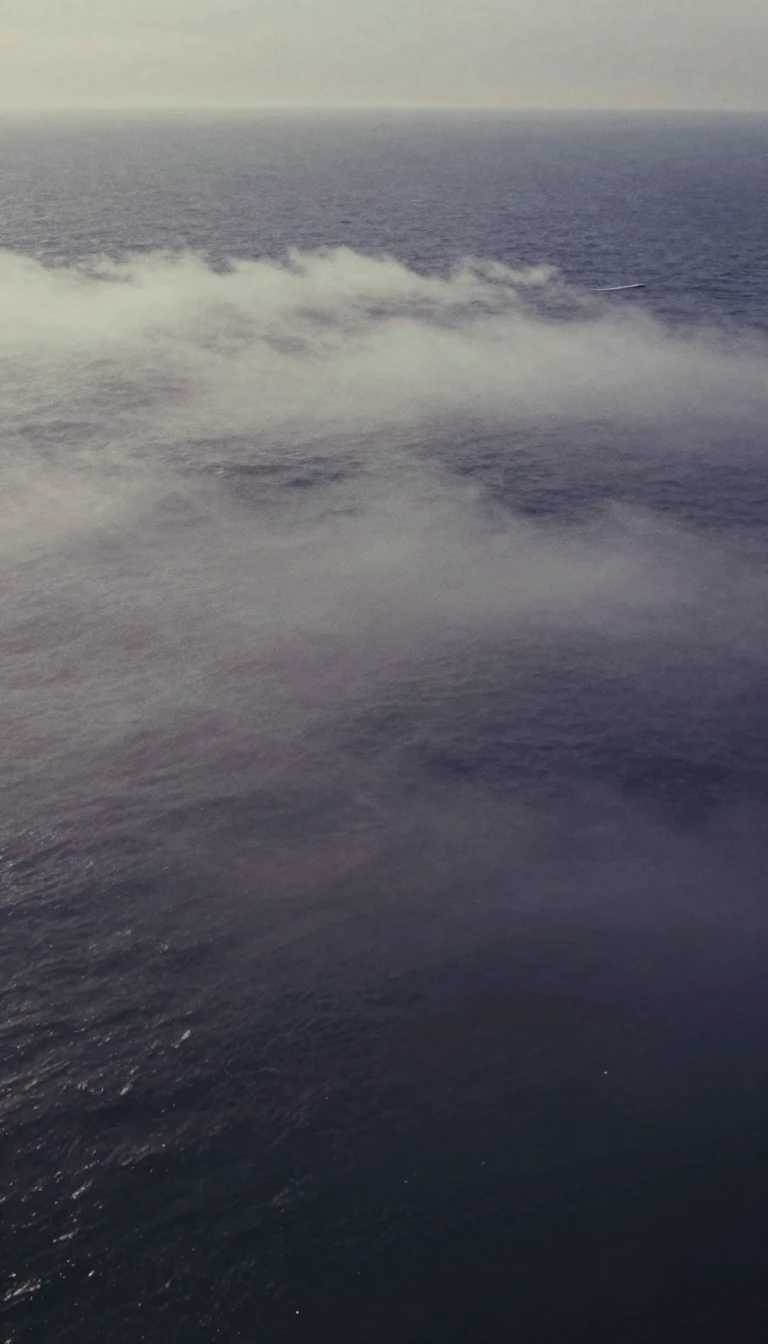
In short: While we imagine the Arctic as a uniform block of ice, it is actually a collection of distinct climate zones. From the stormy, maritime coasts of Iceland to the intensely cold, quiet continental interiors of Siberia and Canada, the region defies simple categorization through its dramatic seasonal and geographic shifts.
Polar climates are defined by high latitudes where solar energy is restricted to summer months. Even when sunlight is abundant, its warming potential is blunted by the high reflectivity of snow and ice. A defining feature of this environment is the temperature inversion, where air a few thousand feet above the surface can be 11 to 17 degrees Celsius warmer than the ground. These inversions occur over 90 percent of the time during midwinter in regions like the Polar Basin and northwestern Siberia.
Meteorologists generally split these environments into two categories: polar maritime and polar continental. Maritime climates, found along the Atlantic and Pacific coasts, experience moderate temperatures, heavy precipitation, and frequent storms. In contrast, continental climates—covering northern Alaska, Canada, and Siberia—are defined by light snowfall and intensely cold, stable winters. In these inland areas, winter conditions often set in by late August, with temperatures plummeting until December.
The Arctic is also a land of extremes. The lowest surface temperatures ever recorded include −63 degrees Celsius at Snag, Yukon, and even colder readings in Yakutia and northern Greenland. Despite these frigid lows, summer can bring surprising warmth. In continental regions, temperatures can occasionally reach into the 30s Celsius during spells of continuous sunshine. However, these periods are fleeting; the Arctic summer is characterized by sudden, violent weather shifts where calm, sunny conditions can vanish in moments, replaced by fog, clouds, and rapid temperature drops.
Understanding these patterns is vital because the Arctic is not a static system. The interplay between sea ice, open water, and topography creates a mosaic of microclimates. While the central polar basin remains the only area where annual net radiation consistently falls below zero, the surrounding regions are highly sensitive to the presence of open water, which moderates coastal temperatures and fuels the heavy cloud cover and fog common in maritime zones.
Opens the Intellect+ feed with this card first. Swipe up for the next one.
Sources
- Summary by Intellect · source: Arctic - Polar, Tundra, Climate | Britannica
- Also: Climate of the Arctic
To cite this card, link to https://intellectplus.co.uk/app/nature-climate-of-the-arctic.
How we source, check and correct cards: Editorial standards.
General information, not professional advice. Spotted an error? Flag the card or see corrections and complaints.
Intellect Plus is a visual educational discovery platform for exploring fascinating facts and ideas. Brain Food, Not Brain Rot. What is Intellect Plus?
Related
More in Air · More in Nature · Latest · A–Z · All topics
