Svealand: The Historical Core That Gave Sweden Its Very Name
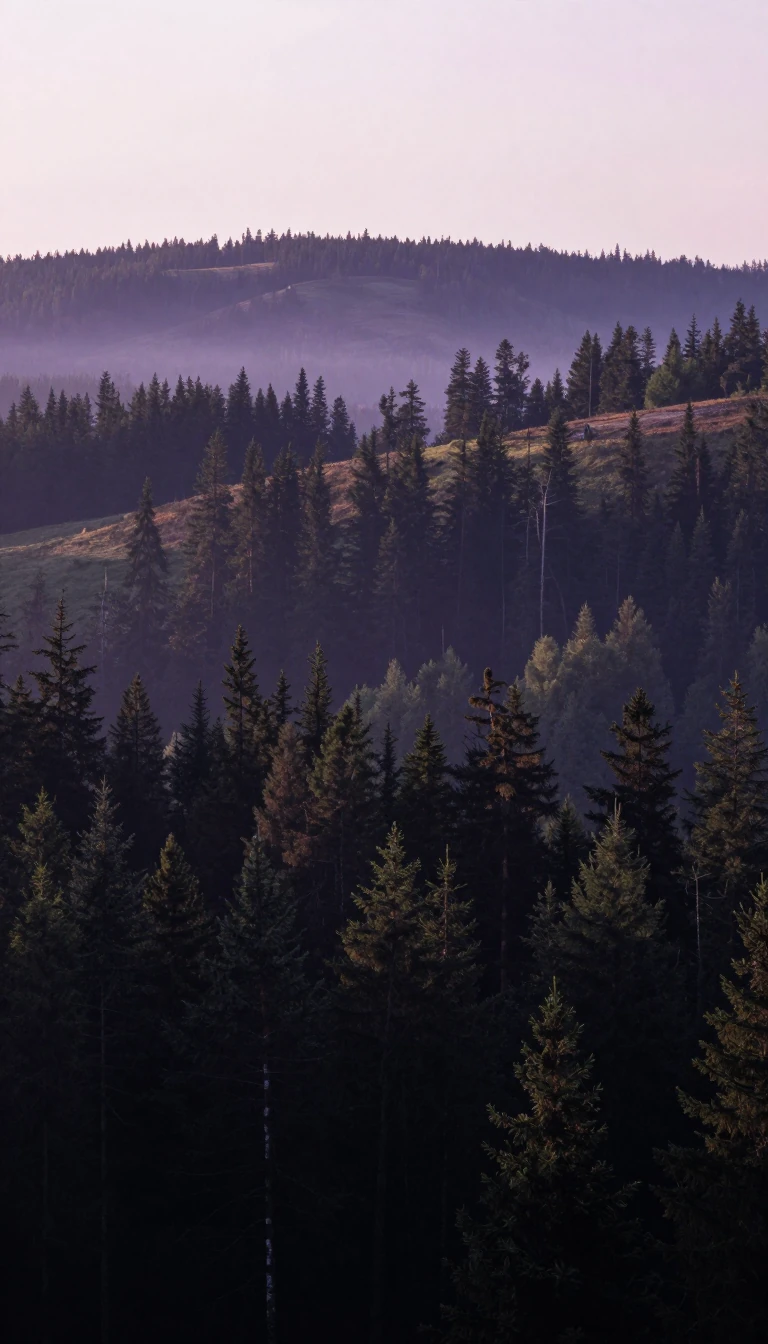
In short: Long before Sweden was a unified nation, it was Svealand. This central region served as the political and cultural nucleus of the kingdom, home to the Svear people. Today, it remains a landscape of deep forests, vast lakes, and the capital city, Stockholm, marking the birthplace of the Swedish realm.
Svealand, the smallest of Sweden’s three historical regions, sits in the south-central part of the country, bordered by Norrland to the north and Götaland to the south. Historically, these regions were separated by dense, impenetrable forests like Tiveden, Tylöskog, and Kolmården, which made centralized control difficult. The name Svealand is inextricably linked to the Svear, the people who inhabited the area and whose identity eventually defined the entire nation. In fact, the Swedish name for Sweden, Sverige, translates to 'Realm of the Swedes' and originally referred exclusively to this central territory.
The region’s geography is as varied as its history. It encompasses the capital region of Mälardalen, the former mining district of Bergslagen, and the provinces of Dalarna and Värmland. It features an extensive archipelago along the east coast and holds shores on the country's four largest lakes. Two major rivers, the Klarälven and the Dalälven, carve through the landscape, while the southern reaches of the Scandinavian Mountains host several ski resorts. Climate-wise, the region experiences a moderate continental pattern, with temperatures generally rising and precipitation decreasing as one moves eastward toward lower elevations.
Svealand’s status as the original Sweden is supported by early medieval sagas and linguistic evidence. In Old Norse and Old English, the terms for Svealand and Sweden were synonymous, often described as distinct from Götaland. By 1384, the powerful lord Bo Jonsson Grip, who owned over half the kingdom, explicitly distinguished between Swerige (Svealand), Österland (Finland), and Göthaland in his will. While Sweden shifted to a county-based administrative system in 1634, the historical identity of Svealand persists, encompassing modern counties such as Stockholm, Uppsala, and Örebro. Today, it remains the urban and administrative heart of the nation, anchored by Stockholm, which straddles the provinces of Uppland and Södermanland.
Opens the Intellect+ feed with this card first. Swipe up for the next one.
Sources
- Summary by Intellect · source: Svealand
- Also: Svealand | Scandinavia, Uppsala & Stockholm | Britannica
- Also: Wikidata — Svealand · CC0
To cite this card, link to https://intellectplus.co.uk/app/places-svealand.
How we source, check and correct cards: Editorial standards.
General information, not professional advice. Spotted an error? Flag the card or see corrections and complaints.
Intellect Plus is a visual educational discovery platform for exploring fascinating facts and ideas. Brain Food, Not Brain Rot. What is Intellect Plus?
Related
More in Regions and country subdivisions · More in Countries & Cities · Latest · A–Z · All topics
