Sweden's vast northern wilderness is a colonial resource hub, not just a snowy backdrop.
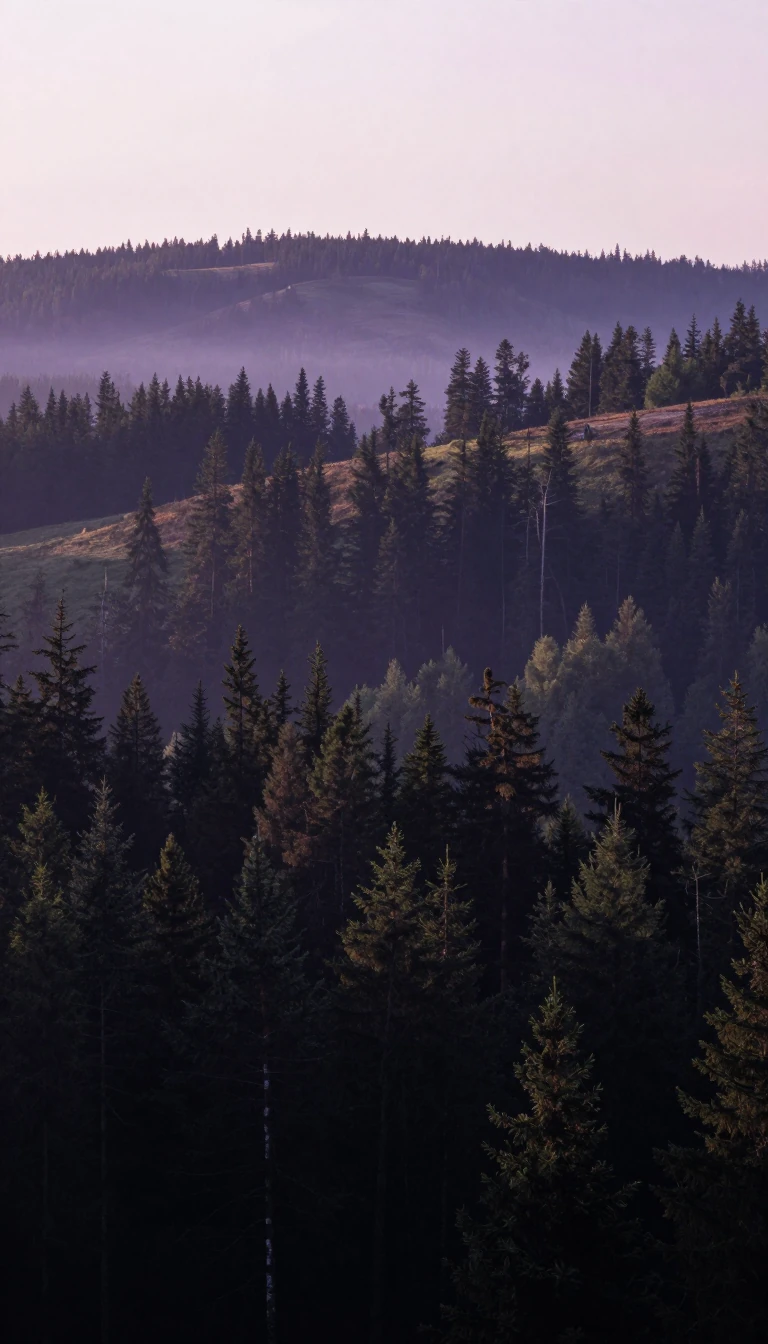
In short: Covering 60% of Sweden but housing only 12% of its people, Norrland is a land of extremes. Often viewed by the capital as a resource-rich colony, this region of boreal forests and hydroelectric power is frequently reduced to a cultural stereotype in Swedish media, masking its true, complex identity.
Norrland is the largest and northernmost of Sweden's three traditional lands, a region defined more by history and culture than administrative borders. While it encompasses nine provinces and the majority of the Swedish landmass, it remains sparsely populated, with most inhabitants clustered in coastal cities like Umeå, Luleå, and Gävle. The interior is dominated by the Scandinavian Mountains, the Muddus Plains, and vast boreal forests. This geography has shaped the region's economy, which has historically functioned as a resource base for Stockholm, providing timber, pulp, and the bulk of Sweden's hydroelectric power.
The relationship between Norrland and the rest of Sweden is marked by a persistent cultural friction. In Swedish fiction and film, Norrland is frequently 'othered,' depicted as a homogeneous, isolated wilderness prone to violence or social stagnation. This portrayal contrasts sharply with the reality of a diverse region with distinct dialects and a modern, urbanized coastal population. Conversely, Norrlanders often view the capital with skepticism, using terms like 'sissy swamp' to describe Stockholm. This mutual misunderstanding is a recurring theme in popular works like Stieg Larsson's The Girl with the Dragon Tattoo, which highlights the perceived cultural and physical divide between the cosmopolitan south and the sedate, colder north.
Despite its reputation as a peripheral backwater, Norrland is a powerhouse in specific domains. The region’s cold climate and rugged terrain have fostered a culture of excellence in winter sports, producing world-class ice hockey players and skiers. Furthermore, the region's industrial significance remains vital; the exploitation of its rivers for water power accounts for approximately 40 percent of Sweden's total electricity production. While the historical view of Norrland as an 'India within our borders'—a quote attributed to Axel Oxenstierna—reflects a long-standing colonial attitude, the region continues to assert its own identity, balancing its role as an industrial engine with its status as a unique, often misunderstood, cultural landscape.
Opens the Intellect+ feed with this card first. Swipe up for the next one.
Sources
- Summary by Intellect · source: Norrland
- Also: Wikidata — Norrland · CC0
To cite this card, link to https://intellectplus.co.uk/app/places-norrland.
How we source, check and correct cards: Editorial standards.
General information, not professional advice. Spotted an error? Flag the card or see corrections and complaints.
Intellect Plus is a visual educational discovery platform for exploring fascinating facts and ideas. Brain Food, Not Brain Rot. What is Intellect Plus?
Related
More in Regions and country subdivisions · More in Countries & Cities · Latest · A–Z · All topics
