Tamaulipas: A Mexican state defined by its complex geography and turbulent history
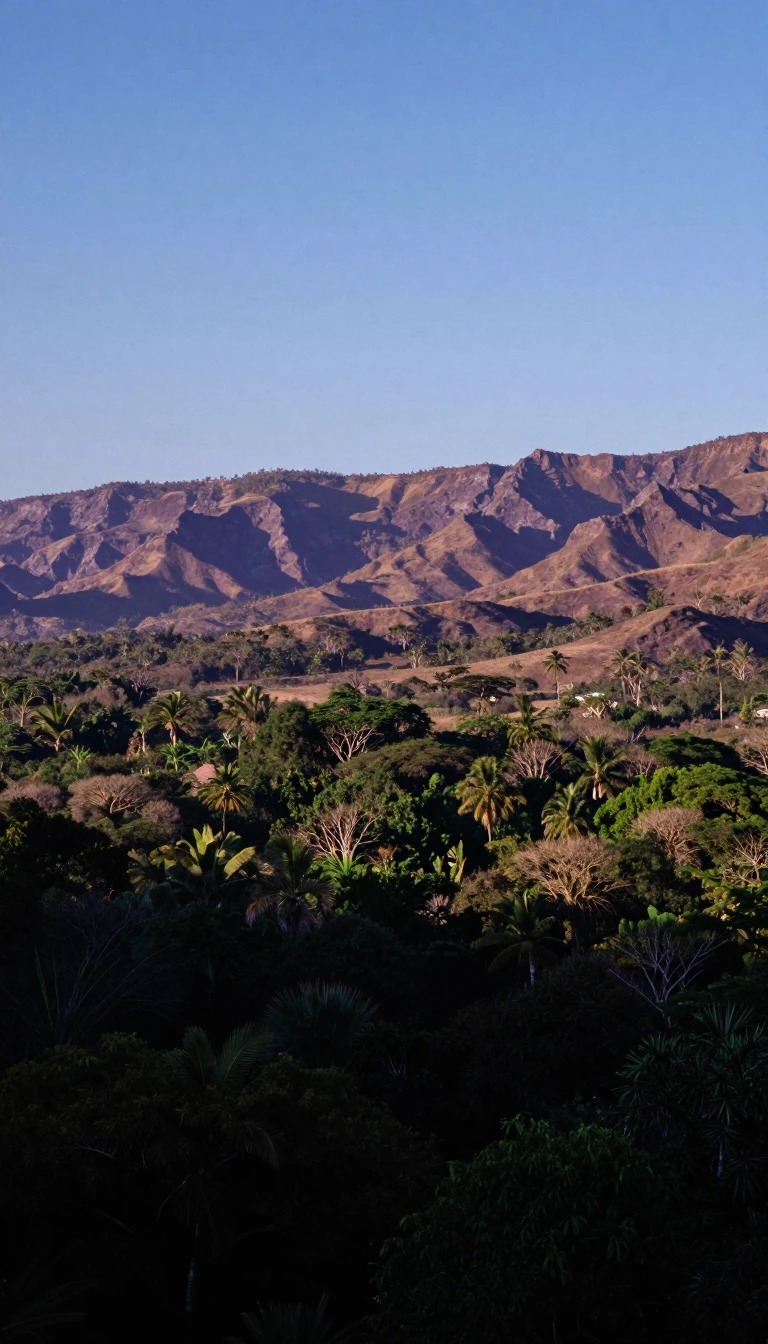
In short: Bordering Texas and the Gulf of Mexico, Tamaulipas is a land of stark contrasts. From its ancient roots and colonial cattle ranches to its modern role as a hub for international manufacturing and petrochemicals, the state remains a vital yet deeply challenged region in the heart of North American trade.
The region now known as Tamaulipas has supported human life for at least eight millennia, hosting a diverse array of nomadic and sedentary cultures long before Spanish arrival. Colonial efforts to control the territory were slow and fraught with difficulty, as indigenous resistance and the rugged landscape hindered settlement. It was not until 1746 that the area was formally organized as the province of Nuevo Santander. By the late 18th century, Spanish authorities established a defensive line of towns along the Rio Grande to protect the interior and introduce colonial social structures to local tribes.
Following Mexico's independence, Tamaulipas became a founding state of the new nation in 1824. Its strategic location made it a frequent target for territorial expansion. During the 19th century, it was claimed by the short-lived Republic of the Rio Grande and later suffered significant land losses following the Mexican-American War. Throughout this period, the state remained a focal point for American expansionists who viewed its climate as ideal for plantation-style agriculture and the extension of slavery, leading to various filibustering incursions that tested the sovereignty of the region.
In the modern era, Tamaulipas has transformed into a critical industrial engine for Mexico. The northern border cities, such as Nuevo Laredo and Matamoros, are central to the maquiladora industry, while the south, particularly Tampico and Altamira, serves as a hub for petrochemical production and maritime trade. Despite this economic significance, the state has struggled with intense organized crime violence since the early 2000s. The territorial conflict between the Gulf Cartel and Los Zetas has severely impacted social stability, leading to significant economic costs for local businesses and creating a humanitarian crisis that continues to shape the state's development today.
Opens the Intellect+ feed with this card first. Swipe up for the next one.
Sources
- Summary by Intellect · source: Tamaulipas
- Also: Wikidata — Tamaulipas · CC0
- Also: Wikidata — Tamaulipas · CC0
To cite this card, link to https://intellectplus.co.uk/app/places-tamaulipas.
How we source, check and correct cards: Editorial standards.
General information, not professional advice. Spotted an error? Flag the card or see corrections and complaints.
Intellect Plus is a visual educational discovery platform for exploring fascinating facts and ideas. Brain Food, Not Brain Rot. What is Intellect Plus?
Related
More in Regions and country subdivisions · More in Countries & Cities · Latest · A–Z · All topics
