The Tasmanian Wilderness is one of the most protected and contested landscapes on Earth.
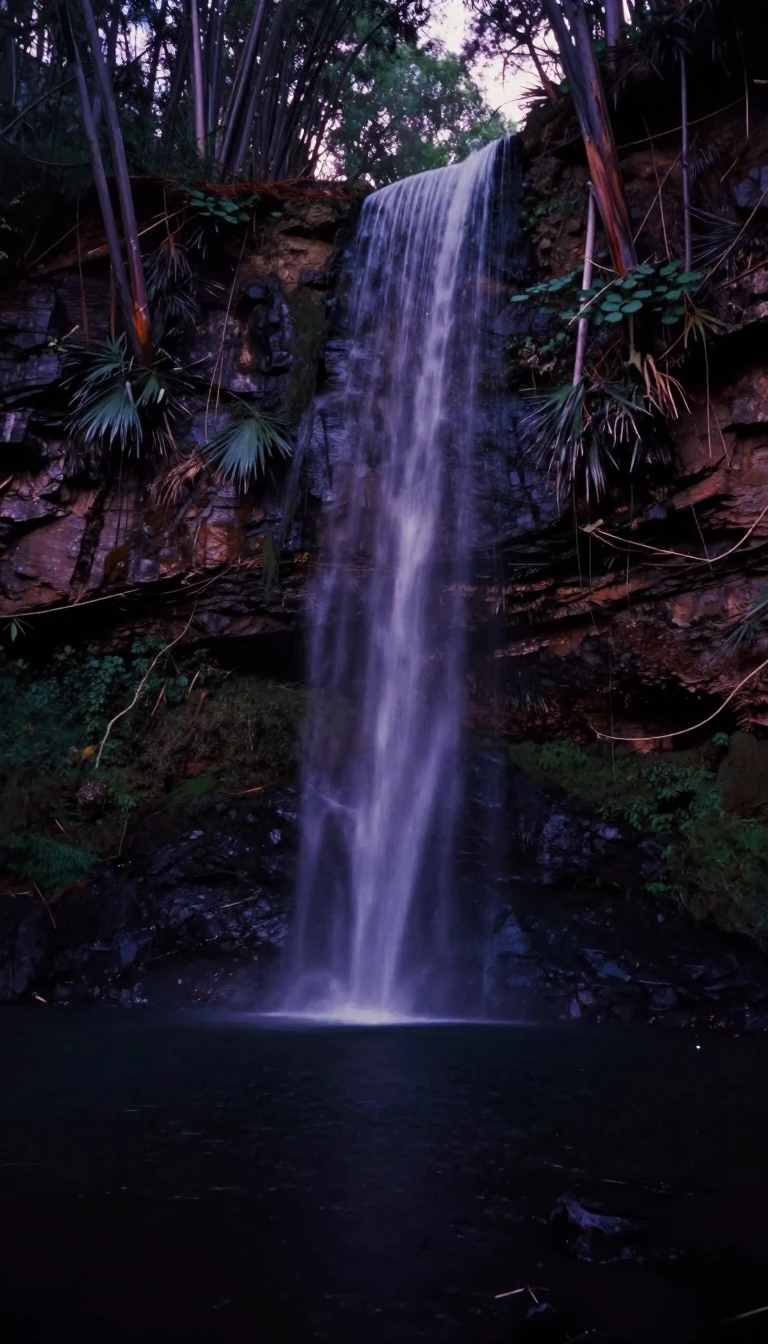
In short: Covering nearly a quarter of Tasmania, this World Heritage site is a rare temperate wilderness. Yet, its status as a pristine sanctuary is constantly challenged by local economic pressures, political tug-of-wars over logging, and the complex, often fraught, history of managing land that has been inhabited for 35,000 years.
The Tasmanian Wilderness World Heritage Area (TWWHA) spans 15,800 square kilometers, representing one of the last significant temperate wilderness expanses globally. It holds a unique distinction in international conservation: it qualifies for seven out of ten possible World Heritage classification criteria, a benchmark shared only by Mount Tai in China. Despite its rugged, glaciated terrain—where the last ice age concluded roughly 10,000 to 12,000 years ago—the area is not merely a natural relic. It contains a deep human history, with Aboriginal Tasmanian remains dating back 35,000 years to the Pleistocene, and evidence of long-standing ecological influence through traditional burning practices.
The site's modern history is defined by intense political friction. First listed in 1982 during the controversial Franklin Dam project, the TWWHA has frequently become a battleground between federal intervention and state-level land management. The 1989 Helsham Inquiry, which expanded the site to protect eucalypt forests from logging, ignited long-term resentment among local communities. This tension peaked in 2014 when the Abbott government attempted to de-list parts of the area to permit logging—a move that would have been a global first for a developed nation—only to be blocked by the World Heritage Committee.
Management of the TWWHA remains a delicate balancing act. While tourism is the primary industry, the area lacks permanent habitation, and authorities struggle to reconcile the 'wilderness ideology' of conservationists with the rights of established practitioners, such as those who historically used the Central Plateau for fishing and hunting. As the Parks and Wildlife Service navigates these competing interests, the site continues to serve as a critical case study in how international heritage status can both protect biodiversity and complicate the governance of local landscapes.
Opens the Intellect+ feed with this card first. Swipe up for the next one.
Sources
- Summary by Intellect · source: Tasmanian Wilderness World Heritage Area
- Also: Wikidata — Tasmanian Wilderness · CC0
To cite this card, link to https://intellectplus.co.uk/app/places-tasmanian-wilderness-world-heritage-area.
How we source, check and correct cards: Editorial standards.
General information, not professional advice. Spotted an error? Flag the card or see corrections and complaints.
Intellect Plus is a visual educational discovery platform for exploring fascinating facts and ideas. Brain Food, Not Brain Rot. What is Intellect Plus?
Related
More in World Heritage Sites · More in Countries & Cities · Latest · A–Z · All topics
