Why scientists use a Spanish volcano to prepare for missions to the planet Mars
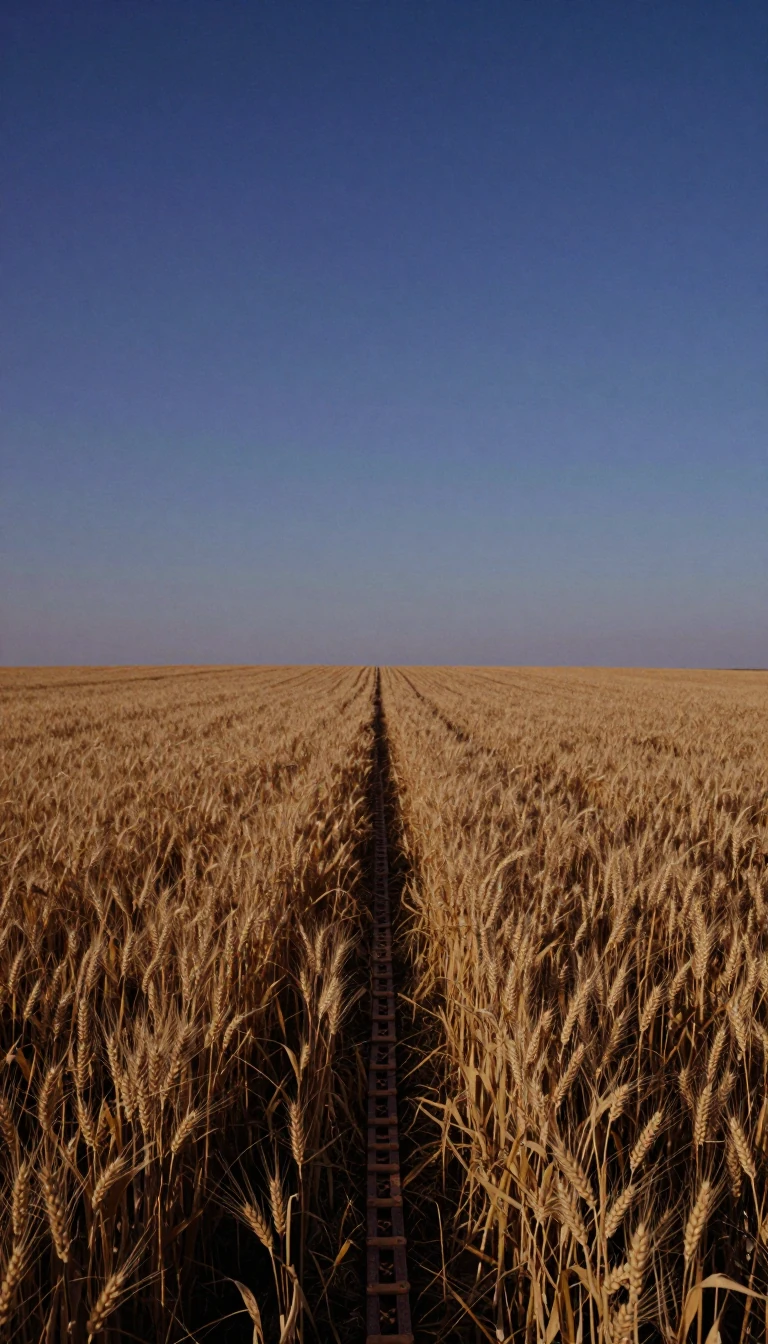
In short: Teide National Park in Tenerife is more than Spain's highest peak and most visited national park. Its extreme, volcanic landscape mirrors the surface of Mars so closely that space agencies use it as a testing ground for planetary rovers and instruments designed to hunt for signs of extraterrestrial life.
Located in the Canary Islands, Teide National Park centers on Mount Teide, a 3,718-meter volcano that ranks as the highest point in Spain. The park spans 18,990 hectares and was designated a UNESCO World Heritage Site in 2007. Its geological profile, featuring highly evolved magmas, makes it a unique counterpart to the Hawaiʻi Volcanoes National Park. The environment is defined by a sunny, mild, and dry climate, with the Izaña Teide Observatory recording nearly 3,500 hours of sunshine annually.
The park's harsh conditions—characterized by intense sunlight, extreme temperature fluctuations, and minimal moisture—have forced local flora to adapt through specialized features like downy covers and semi-spherical shapes. This rugged, otherworldly terrain has attracted more than just tourists; it has become a vital site for scientific research. In 2010, teams tested the Raman instrument for the ESA-NASA ExoMars expedition within the Las Cañadas caldera, and in 2017, the European Space Agency utilized the area known as Las Minas de San José to trial planetary rovers.
Beyond its scientific utility, the park holds a complex cultural and historical legacy. Aboriginal Guanches once worshipped the mountain, believing it to be the gateway to hell, known as Echeyde. In modern times, the park has served as a backdrop for numerous films, including 'One Million Years B.C.' and 'Clash of the Titans,' and has become a premier high-altitude training ground for professional cycling teams like Team Sky. Despite its popularity, the park remains a place of mystery and occasional controversy, having been the site of a mass UFO alert in 1989 and a foiled ritual suicide attempt by a cult in 1998.
Opens the Intellect+ feed with this card first. Swipe up for the next one.
Sources
- Summary by Intellect · source: Teide National Park
- Also: Wikidata — Teide National Park · CC0
To cite this card, link to https://intellectplus.co.uk/app/places-teide-national-park.
How we source, check and correct cards: Editorial standards.
General information, not professional advice. Spotted an error? Flag the card or see corrections and complaints.
Intellect Plus is a visual educational discovery platform for exploring fascinating facts and ideas. Brain Food, Not Brain Rot. What is Intellect Plus?
Related
More in World Heritage Sites · More in Countries & Cities · Latest · A–Z · All topics
